
Warfare and Wallets
A Look on Economic Strains of the Russia-Ukraine Conflict

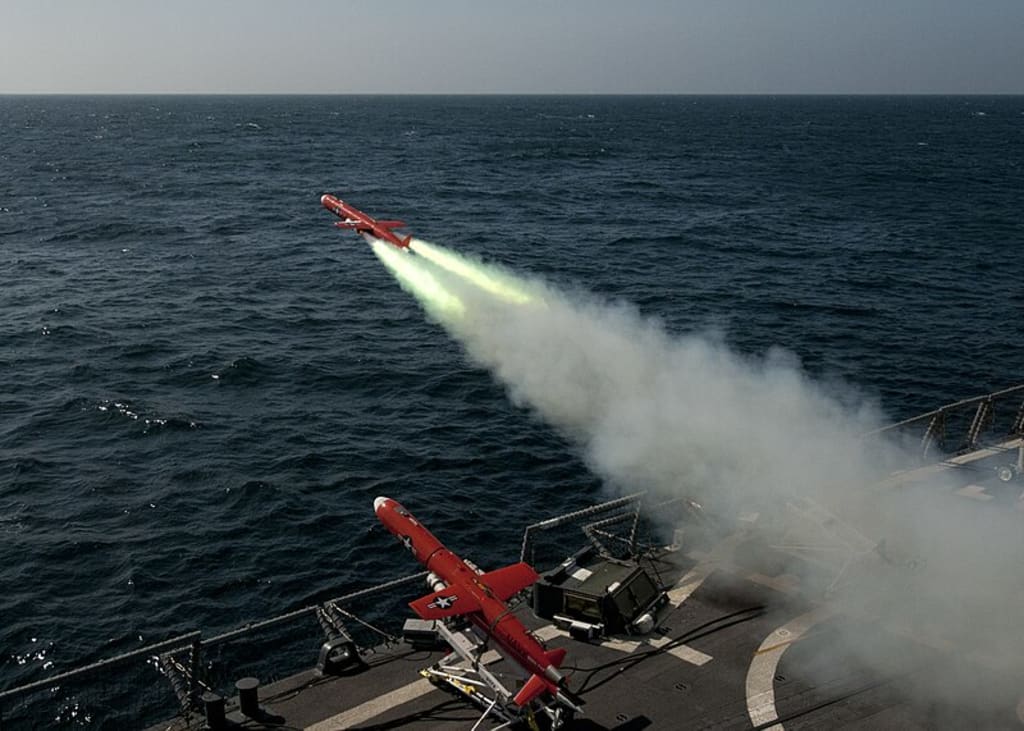
The conflict of Russia and Ukraine has brought with it dire consequences, not only for the two warring states but also for the world at large.
This article combines insights into the economic struggles being faced by Russia due to its expenditures and military engagements in Ukraine, with the evolving military strategies that include-most demonstrably-the use of drones and other technologies by both sides.
The more costs grow high and dynamics change on the battlefield, the better this interplay of military strategy with economic stability is so vital to understand the future trajectory of this conflict.
An Unsustainable Military Spending
The impact of this war against Russia can be traced in deep economic shades.
As military expenditure keeps increasing, there is growing concern about the sustainability of this spending. Adopted in October 2024, the draft budget for 2025–2027 gives a few lines for understanding the growing trend in military spending over the coming year.
According to estimates, defence spending would reach about 13,500 billion rubles or approximately €130 billion in 2025, with the highest ever military spending by Russia in post-soviet history. This rise contrasts sharply with that of most Western countries, which are still trying to reach the NATO guideline level of spending 2% of GDP on defense.
The general outlook of the economy is ever grim. International Monetary Fund predictions estimate a growth rate of 3.6% in 2023 and a decline to 3.2% in 2024. Sanctions imposed on it by the West to break the economy of Russia have had only conflicting effects. Oil prices have risen above the agreed-upon ceiling of $60 per barrel; it would appear that the Russian economy is tired.
Currency Devaluation and Inflation
The Russian economy is also having to deal with extreme currency devaluation.
In October 2024, the central bank recorded an astonishing exchange rate of 97.1 rubles per US dollar, which culminated in more than 9% inflation rates-twice as high as targeted by the government. The decline in the value of the ruble reflects wider economic hardships, including the increasingly complex process of international transactions considering exclusion from the SWIFT system.
In return, Russian companies are considering barter trade-a company recently attempted to barter lentils in exchange for Pakistani agricultural products.
A vote of no confidence in the Russian economy was witnessed recently when an auction for 600 billion rubles of sovereign bonds was cancelled. The failure by the central bank to stem the currency against higher inflation adds more pressure to an already stretched financial system.
Social Spending and War's Burden
The Russian government tries to soften the social impact of the economic downturn with heavy investments in social programs, planning to spend $431 billion altogether on various initiatives by 2030. If it is summer camps for kids in occupied Crimea, or building infrastructure to improve the school system, all this social spending does not come very cheap-as witnessed by a growing budget deficit now almost 2% of GDP.
The reliance on the NWF to finance military and social expenditures has greatly reduced available liquid assets, now down to $54 billion-less than half of what it was at the onset of the conflict. The Russian economy's reliance on state revenue is becoming increasingly tenuous given that traditional sources of income-such as Gazprom's contributions-have shrunk following the loss of European markets.
Solutions of Taxation and Debt
In consideration of described difficulties, the government of Russia is looking for the levers to increase taxation for rich families and to raise tariffs for imported cars.
It is not expected that these measures will bring sufficient revenue. Because of losing of credibility by the government with international creditors, it will be difficult to issue new debt.
With military operations continuing to sap resources, the Russian armed forces could see sharp funding shortfalls. Analysts indicate that by 2025, Russia may face grave economic difficulties that will seriously hamper its military operations.
Whether Ukraine would be ready to exploit any weakening of the Russian forces is a moot question.
Tactical Shifts
Both sides have been forced to revise their military doctrines because of heavy reliance on drones as a central player in the conflict.
Drones have also played an important role in long-range strikes against the enemy's infrastructure, reconnaissance, and targeting high-value assets. Their ability to function effectively in the largely flat terrain of Eastern Ukraine offers advantages and vulnerabilities.
For Ukraine, it meant a significant equalizer against a numerically superior enemy. The Ukrainian forces have especially been struggling in the Donbass region, and lately, there has been a high dependence on drone technology to carry out strikes deep into Russian-controlled territories.
Ukrainian drone operations are a force against Russian naval assets in the Black Sea, further complicating Russian logistics and morale.
Protection Strategies: Windbreaks as Military Assets
The surprising source of defense in today's conflict has turned out to be the agricultural practices developed under the Soviet regime.
Windbreaks, intended to block the wind from toppling crops, now offer protection to Ukrainian soldiers from drone surveillance and attacks. These thick rows of trees, planted for enhanced productivity, protect and hide soldiers in a landscape otherwise very vulnerable to flying reconnaissance.
Those natural barriers should not be belittled, because they have played a significant role in maintaining the survival and fighting efficiency of the Ukrainian troops. The inter-relationship between agriculture and military strategy points to the multi-dimensionality of modern war.
It also became a struggle for energy supremacy. The parties focused military action on disabling the adversary's energy structure. The Ukrainian side has more and more often attacked Russian refineries and other energy installation in what appears to be a bid to cripple production and logistics. Russia resumed its active campaign against the Ukrainian energy grid, seriously damaging electric generation capacity.
With all these aggressive approaches, reports in recent times have shown that both sides are having a rethink over the unending targeting of energy infrastructure. Contacts, through mediation by Qatar, began between Russian and Ukrainian officials on the possibility of a cease-fire, including in the strikes on energy facilities.
If it happens, that may signal the biggest breakthrough into a conflict that has seen no signs of yielding since its outbreak.
Economic Consequences
As economic pressures continue to mount, military spending continues to rise, and the sustainability of this path that Russia is on is pretty indefinite.
Mashing together inflation, devaluation of its currency, and dwindling state revenues, this could insinuate that the potential of the Kremlin to sustain its military commitments is very doubtful.
On the other hand, Ukraine, though bruised, has secured a degree of international support and solidarity that may embolden its negotiating position. The unified approach to be used in offsetting Russian gains may even heighten Ukraine's potential for stabilizing the situation.
The refusal to continue targeting energy infrastructure may mean that both sides are open to de-escalation. While the military tools continue to change, the large-scale battles can be substituted with smaller, selective engagements which conserve the essential resources. The negotiations in respect to attacks on energy bring out the pragmatic approach towards the conflict in which each side understands vulnerabilities both of them have.
The influencing of each other in regard to economic realities and military strategies in respect to the Russia-Ukraine conflict runs deep. Just as increasing costs and impending risk of financial collapse have begun to impact Russia, so too may its military operations weaken. Conversely, Ukraine has leveraged hi-tech innovations and international support as perhaps the only means to give it wherewithal to stem the Russian onslaught and launch counter-attacks.
This is a tango of power where the future is cloudy with its evidence of economic strain and changing military tactics. The ability to handle their respective challenges does not remove from either nation the need to consider the larger ramifications of their actions on the world stage.
The conflict, a humanitarian catastrophe already, may also reshape economic relationships and military alliances in Europe and beyond, as nations respond to the lessons learned in this ongoing struggle.
(afp, reuters)
About the Creator
Tanguy Besson
Tanguy Besson, Freelance Journalist.
https://tanguybessonjournaliste.com/about/
Keep reading
More stories from Tanguy Besson and writers in Earth and other communities.
Venezuela Ships Its First LPG to the U.S.: A Historic Energy Move
Venezuela has reportedly shipped its first liquefied petroleum gas (LPG) cargo to the United States, marking a potentially historic shift in energy trade relations between the two countries. The move signals changing dynamics in global energy markets, regional diplomacy, and supply chain strategies as nations reassess energy security priorities.
By Aarif Lashari4 days ago in Earth



Comments
There are no comments for this story
Be the first to respond and start the conversation.