
Accumulating Snow, Dangerously Cold Wind Chills This Weekend
Winter storm conditions raise safety concerns as forecasters warn of hazardous travel and extreme cold

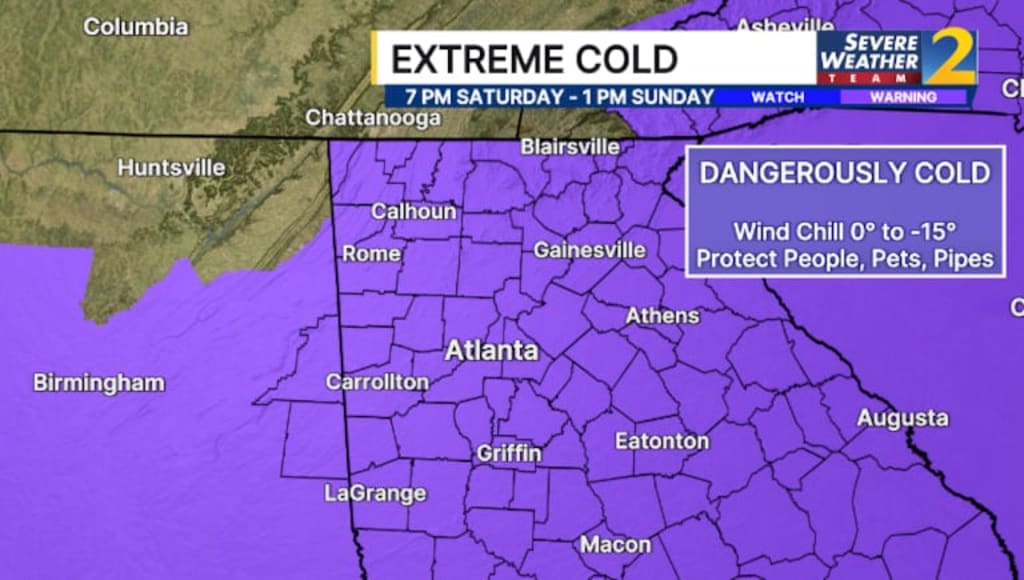
A powerful winter system is expected to bring accumulating snow and dangerously cold wind chills across several regions this weekend, prompting weather warnings and travel advisories. Meteorologists caution that the combination of snowfall, strong winds, and plunging temperatures could create life-threatening conditions, particularly for vulnerable populations and motorists.
As winter weather intensifies, authorities are urging residents to prepare for rapidly changing conditions and to limit unnecessary travel during peak storm periods.
What to Expect This Weekend
Weather forecasts indicate that the approaching system will deliver steady snowfall, with accumulation expected to increase through the weekend. In some areas, snow totals could be significant enough to impact roadways, airports, and public transportation systems.
More concerning, however, are the extreme wind chills expected to accompany the snow. Gusty winds will push “feels-like” temperatures well below actual readings, creating conditions where frostbite can occur within minutes of exposed skin.
Forecasters warn that even regions accustomed to winter weather may experience colder-than-normal conditions, making preparation especially important.
Why Wind Chill Makes the Cold More Dangerous
Wind chill is not simply a comfort issue — it directly affects how quickly the body loses heat. Strong winds strip away the thin layer of warmth surrounding the skin, accelerating heat loss and increasing the risk of cold-related injuries.
When wind chills drop to dangerously low levels:
Frostbite can develop in under 10 minutes
Hypothermia risk increases rapidly
Outdoor activity becomes hazardous without proper protection
Health officials advise covering exposed skin, wearing insulated layers, and avoiding prolonged outdoor exposure whenever possible.
Travel Hazards and Infrastructure Concerns
Accumulating snow combined with freezing temperatures creates treacherous travel conditions. Roads may become icy, visibility can drop quickly during heavier snowfall, and emergency response times may be delayed.
Transportation agencies are preparing snowplows and salt crews, but officials warn that conditions may deteriorate faster than crews can respond. Drivers are urged to:
Avoid non-essential travel
Keep emergency supplies in vehicles
Drive slowly and allow extra stopping distance
Air travel may also be affected, with delays and cancellations possible as airports work to keep runways clear amid snowfall and high winds.
Impact on Daily Life and Communities
Beyond travel, the winter weather may disrupt daily routines. Schools, government offices, and businesses could face closures or delayed openings depending on local conditions.
Cold temperatures also place strain on infrastructure. Heating systems may work overtime, increasing the risk of power outages in some areas. Water pipes can freeze and burst, leading to costly damage for homeowners.
Local authorities encourage residents to check heating systems, insulate exposed pipes, and ensure backup heat sources are safe and properly ventilated.
Who Is Most at Risk?
Certain groups face heightened risk during extreme winter weather, including:
Older adults
Young children
People experiencing homelessness
Those with chronic medical conditions
Community organizations and emergency shelters are preparing warming centers to provide relief from the cold. Officials urge residents to check on neighbors, especially those who may lack adequate heating or winter clothing.
How to Prepare for the Cold and Snow
Preparation can significantly reduce risk during severe winter conditions. Experts recommend:
Stocking up on food, water, and medications
Charging phones and backup power banks
Wearing layered, insulated clothing when outdoors
Keeping pets indoors or ensuring adequate shelter
For those who must travel, having blankets, flashlights, and emergency kits on hand can make a critical difference if stranded.
---
Climate Patterns and Increasing Extremes
Meteorologists note that while winter storms are common, temperature swings and extreme wind chills are becoming more pronounced. Shifting climate patterns are contributing to volatile weather events, where intense cold can follow relatively mild periods with little warning.
These sudden changes can catch communities off guard, reinforcing the importance of monitoring forecasts and responding quickly to weather advisories.
What Comes Next?
Forecasters continue to track the system closely and warn that conditions may evolve as the storm progresses. Additional snowfall or stronger winds could extend hazardous conditions into early next week.
Residents are encouraged to stay informed through local weather alerts and official advisories, as timely updates may affect travel and safety decisions.
Conclusion
This weekend’s forecast of accumulating snow and dangerously cold wind chills serves as a reminder of winter’s unpredictability and power. While snowfall can be visually striking, the accompanying cold and wind pose serious risks to health, travel, and infrastructure.
By preparing ahead of time and heeding safety guidance, individuals and communities can reduce the dangers associated with extreme winter weather. As conditions unfold, caution and awareness will be key to staying safe through the storm.
About the Creator
Asad Ali
I'm Asad Ali, a passionate blogger with 3 years of experience creating engaging and informative content across various niches. I specialize in crafting SEO-friendly articles that drive traffic and deliver value to readers.
Sea Levels Are Rising Across the World. But in Greenland, Scientists Say They’re About to Fall
When it comes to climate change, one of the clearest signs has been rising sea levels worldwide. From the melting ice sheets of Antarctica to flooding in coastal cities, the narrative has been straightforward: global temperatures rise, ice melts, and oceans expand.
By Aarif Lashari4 days ago in Earth
Hopes Dashed as ‘Waspi Women’ Again Denied State Pension Compensation
Thousands of women across the UK have once again been left disappointed after fresh hopes of compensation over state pension age changes were dashed. The issue, which has been debated for years, centres on women born in the 1950s who say they were not properly informed about increases to their state pension age.
By Aarif Lashariabout 10 hours ago in Earth



Comments
There are no comments for this story
Be the first to respond and start the conversation.