
Venezuela Ships Its First LPG to the U.S.: A Historic Energy Move
New trade development could reshape regional energy relationships
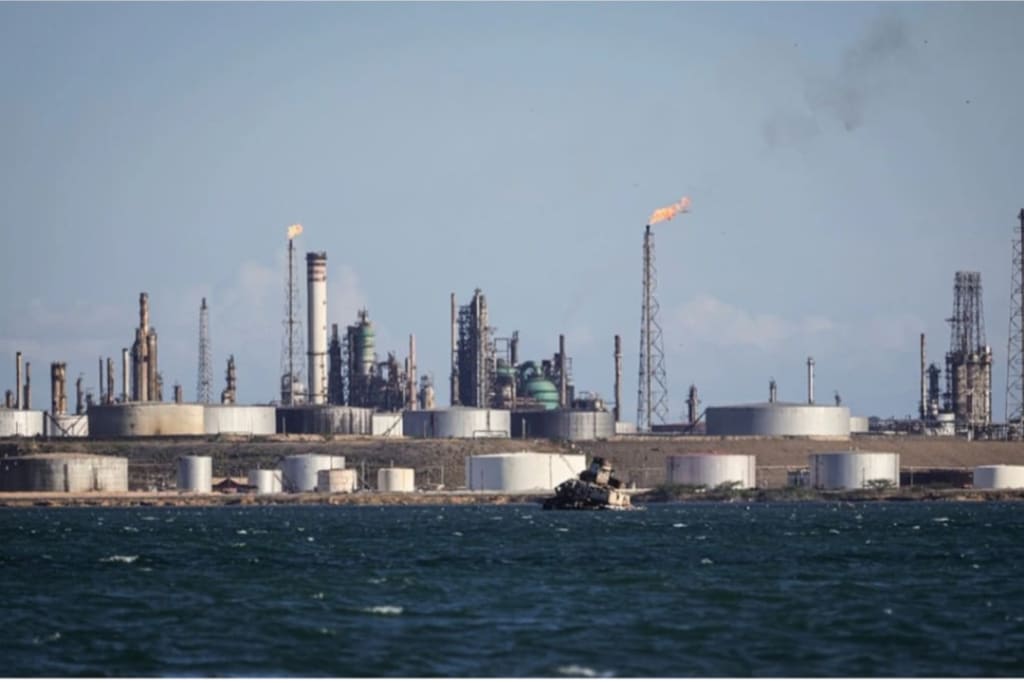
Venezuela has reportedly shipped its first liquefied petroleum gas (LPG) cargo to the United States, marking a potentially historic shift in energy trade relations between the two countries. The move signals changing dynamics in global energy markets, regional diplomacy, and supply chain strategies as nations reassess energy security priorities.
For decades, energy trade between Venezuela and the United States has been shaped by political tensions, sanctions, and shifting global demand. This development, if sustained, could represent a new chapter in energy cooperation and economic interaction.
What Is LPG and Why It Matters
Liquefied petroleum gas (LPG) is a widely used fuel derived from natural gas processing and oil refining. It is commonly used for cooking, heating, transportation fuel, and industrial applications.
LPG is important because:
It burns cleaner than coal or heavy oil
It is easier to transport and store
It is widely used in residential and commercial sectors
It supports energy diversification strategies
Globally, LPG demand has grown steadily as countries seek cleaner transitional fuels while moving toward renewable energy systems.
Venezuela’s Energy Sector: A Historical Powerhouse
Venezuela has one of the world’s largest proven oil reserves. For much of the 20th century, it was a major global oil exporter and an important supplier to the United States.
Historically, Venezuela’s energy sector was known for:
Large-scale crude oil production
Strong export relationships with global markets
State-controlled energy infrastructure
Heavy reliance on oil revenue for national economy
However, production challenges, infrastructure issues, and political tensions have significantly reduced output in recent years.
Why This Shipment Is Considered Historic
Energy shipments between the U.S. and Venezuela have historically been influenced by geopolitical relations. Years of sanctions and diplomatic tensions reduced energy trade between the two countries.
A shipment of LPG to the U.S. could signal:
Possible easing of trade restrictions
Shifting global energy supply strategies
Increased market flexibility amid global energy demand
Diplomatic or economic policy adjustments
Even small shipments can carry symbolic importance in global energy diplomacy.
U.S. Energy Market Needs
The United States is one of the world’s largest energy producers but still participates in global energy trade due to regional demand differences, infrastructure limitations, and market price factors.
The U.S. imports energy products when:
Regional supply is temporarily constrained
Price conditions favor imports
Specialized energy products are needed
Supply chain diversification is prioritized
Energy security often depends on maintaining multiple supply sources rather than relying on a single provider.
Global Energy Market Context
The global energy market has become increasingly volatile due to geopolitical conflicts, supply chain disruptions, and climate policy transitions.
Recent trends include:
Increased focus on energy security
Diversification of energy suppliers
Investment in cleaner fossil fuel alternatives
Expansion of renewable energy infrastructure
Energy trade relationships are becoming more flexible as countries respond to global uncertainty.
Economic Implications for Venezuela
If energy exports expand, Venezuela could see important economic benefits. The country’s economy has long depended heavily on energy exports.
Potential benefits include:
Increased foreign currency earnings
Investment opportunities in energy infrastructure
Job creation in energy and logistics sectors
Improved government revenue streams
However, long-term growth would depend on sustained production and stable international partnerships.
Political and Diplomatic Implications
Energy trade often reflects broader diplomatic relationships. Any increase in trade between the U.S. and Venezuela could influence regional politics.
Potential diplomatic effects may include:
New negotiation channels
Economic cooperation opportunities
Regional energy partnerships
Increased global market integration
Energy diplomacy often serves as a bridge between countries with complex political relationships.
Environmental Considerations
While LPG is still a fossil fuel, it is generally considered cleaner than coal and heavy oil. Some countries use LPG as a transition fuel while expanding renewable energy capacity.
Environmental discussions often focus on:
Reducing overall emissions
Transitioning toward renewable energy
Improving energy efficiency
Supporting cleaner transitional fuels
Energy transition strategies often involve balancing environmental goals with economic realities.
Challenges Facing Long-Term Trade Expansion
Despite the historic nature of the shipment, several challenges remain.
Key challenges include:
Infrastructure limitations
Political policy changes
Global price volatility
Production capacity constraints
Regulatory and sanctions-related issues
Sustained energy trade often depends on stable policy environments and strong infrastructure investment.
What Happens Next?
Energy analysts will closely monitor whether this shipment becomes part of a long-term trade pattern or remains a one-time event.
Future developments could include:
Increased energy shipments
Expanded bilateral trade agreements
Infrastructure modernization investments
Greater global energy market integration
The long-term outcome will likely depend on both political and market conditions.
Conclusion
Venezuela’s reported shipment of LPG to the United States could mark a significant moment in global energy trade. Beyond the immediate economic and supply chain effects, the move reflects shifting global energy strategies, evolving diplomatic relationships, and the ongoing transformation of global energy markets.
While it remains to be seen whether this development represents a lasting shift, it highlights the growing importance of flexible energy trade networks in a rapidly changing world. As countries continue balancing energy security, economic growth, and environmental goals, moves like this may become increasingly common.
For both Venezuela and the United States, energy cooperation — even at limited levels — could have wider economic and geopolitical implications in the years ahead.
About the Creator
Keep reading
More stories from Aarif Lashari and writers in Earth and other communities.
Laura Fernandez Declares Victory in Costa Rica’s Presidential Election
Laura Fernandez has declared victory in Costa Rica’s presidential election, marking what could become a defining political moment for the Central American country. The announcement follows a closely watched election cycle that attracted both domestic and international attention, with voters focusing on economic challenges, environmental priorities, and social policy reforms.
By Aarif Lashariabout 6 hours ago in Earth
Damage and Disruption in Storm-Battered Counties
Severe storms have left a trail of destruction across several counties, causing widespread damage to homes, infrastructure, and essential services. Heavy rainfall, strong winds, and flash flooding have combined to create one of the most disruptive weather events in recent years. Local authorities continue to assess the full scale of the damage as emergency crews work around the clock to restore normal life for affected communities.
By Fiaz Ahmed 2 days ago in Earth
Australia Glamping Market: Nature Tourism, Sustainable Stays & Experience-Led Travel
Australia Glamping Market Overview The Australia glamping market is developing as travelers increasingly seek accommodation that combines outdoor experiences with modern comfort. The Australia glamping market share was valued at USD 110.5 Million in 2025. Looking forward, IMARC Group estimates the market to reach USD 304.3 Million by 2034, exhibiting a CAGR of 11.91% from 2026-2034.This growth reflects broader shifts in tourism preferences toward nature-based, experience-led and environmentally conscious travel.
By Amyra Singh7 days ago in Earth


Comments
There are no comments for this story
Be the first to respond and start the conversation.