
Volcanic ash and aviation risks
Volcanic eruptions are powerful natural phenomena that can have devastating effects on the environment and human activities.

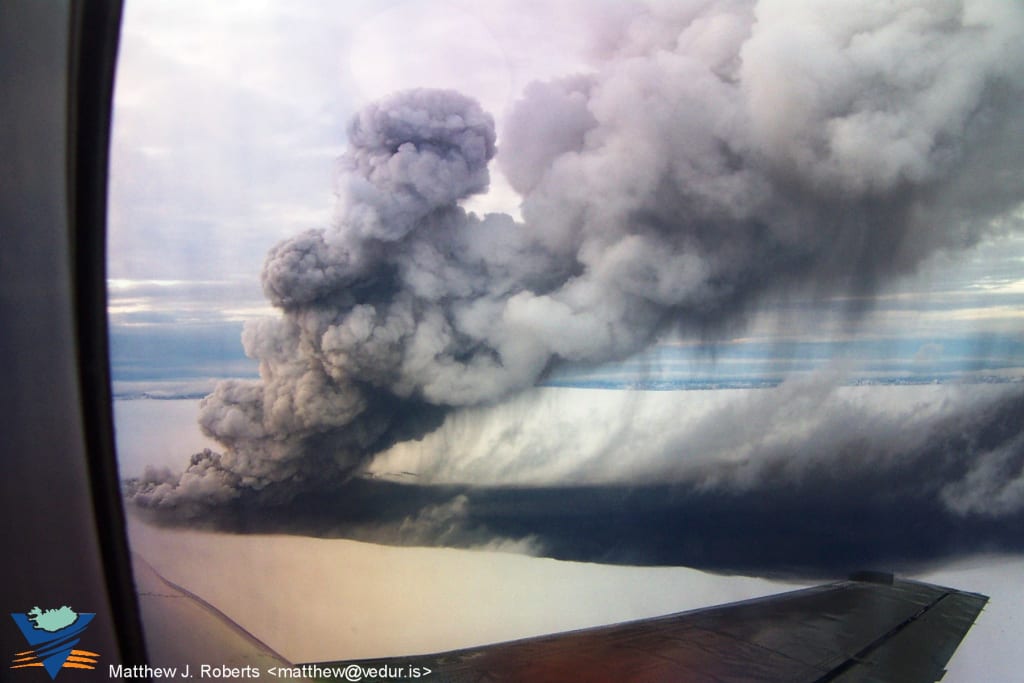
One of the most significant threats posed by volcanic eruptions is volcanic ash, which can pose serious risks to aviation. Volcanic ash clouds can spread over vast distances, disrupting air travel, damaging aircraft, and endangering passengers and crew. Understanding the nature of volcanic ash, its impact on aviation, and the measures taken to mitigate risks is crucial for ensuring flight safety.
(I)What is Volcanic Ash?
Volcanic ash is composed of fine particles of rock, minerals, and glass ejected into the atmosphere during an eruption. Unlike ordinary dust, volcanic ash is highly abrasive, has a low melting point, and can conduct electricity when wet. These properties make it particularly hazardous for aircraft. Ash clouds can travel thousands of kilometers from their source, carried by wind currents, making it difficult to predict and avoid them without proper monitoring systems.
(II)How Volcanic Ash Affects Aircraft
Volcanic ash presents multiple dangers to aircraft, primarily affecting engines, avionics, and visibility.
1. Engine Damage
Jet engines operate at extremely high temperatures, and volcanic ash can melt inside the engine, forming glass-like deposits on turbine blades. This can lead to:
Loss of thrust: Ash buildup can disrupt airflow, reducing engine efficiency and causing power loss.
Flameout: In extreme cases, engines may stop working entirely, leading to a dangerous situation where the aircraft loses power mid-flight.
Erosion: The abrasive nature of ash wears down engine components, leading to long-term damage and costly repairs.
2. Cockpit Visibility and Instrument Malfunctions
Volcanic ash can severely reduce visibility by scratching the aircraft’s windshield. Pilots may find it difficult to see, especially during takeoff and landing.
Ash can infiltrate avionics systems, leading to malfunctions in navigation, communication, and autopilot controls.
Static electricity within an ash cloud can cause St. Elmo’s Fire, an electrical phenomenon that disrupts radio signals and complicates communication with air traffic control.
3. Damage to External Aircraft Components
The abrasive particles in volcanic ash can erode an aircraft’s fuselage, wings, and tail, weakening the structure over time.
Pitot tubes, which measure airspeed, can become clogged with ash, leading to incorrect speed readings.
Ash can contaminate fuel and hydraulic systems, affecting the overall safety of the aircraft.
(III)Notable Volcanic Ash Incidents in Aviation
Several notable incidents have demonstrated the dangers of volcanic ash encounters:
1. British Airways Flight 9 (1982)
In 1982, British Airways Flight 9, a Boeing 747, flew into an ash cloud from Mount Galunggung in Indonesia. All four engines failed due to ash ingestion, causing the aircraft to descend uncontrollably. Fortunately, after falling nearly 25,000 feet, the pilots managed to restart the engines and make a safe landing in Jakarta. This event highlighted the extreme risks volcanic ash poses to aviation.
2. KLM Flight 867 (1989)
In 1989, KLM Flight 867, another Boeing 747, flew into an ash cloud from Mount Redoubt in Alaska. All four engines failed, forcing the aircraft to drop more than 10,000 feet before the crew was able to restart them. The plane landed safely, but the repair costs exceeded $80 million due to extensive damage to the engines and avionics.
3. Eyjafjallajökull Eruption (2010)
One of the most disruptive volcanic events in recent history was the Eyjafjallajökull eruption in Iceland in 2010. The ash cloud forced the closure of large portions of European airspace for nearly a week, causing over 100,000 flight cancellations and affecting millions of passengers. The economic impact on the airline industry was estimated at $1.7 billion. This event highlighted the need for improved volcanic ash detection and airspace management strategies.
Mitigating the Risks of Volcanic Ash in Aviation
1. Advanced Monitoring and Forecasting
Volcanic Ash Advisory Centers (VAACs): There are nine VAACs worldwide, operated by meteorological agencies, to monitor volcanic activity and issue warnings to pilots and air traffic controllers.
Satellite Imagery and Radar: Modern satellites can detect ash clouds in real time, providing critical data for rerouting flights.
Drones and Ground Sensors: Some countries use drones and ground-based instruments to monitor volcanic emissions and improve early warning systems.
2. Pilot Training and Protocols
Pilots are trained to recognize signs of volcanic ash encounters, such as unusual engine behavior, static electricity on the windshield, and a sulfur-like odor in the cabin.
If an aircraft enters an ash cloud, pilots follow emergency procedures, including reducing engine power, exiting the ash cloud as quickly as possible, and reporting the encounter to air traffic control.
3. Flight Path Adjustments and No-Fly Zones
When volcanic eruptions occur, aviation authorities establish temporary no-fly zones to keep aircraft away from dangerous ash clouds.
Airlines work with meteorologists to adjust flight routes based on real-time ash cloud tracking.
4. Engine Technology Improvements
Aircraft manufacturers are researching ash-resistant engine coatings and materials that can withstand volcanic ash exposure.
Some engines are being designed with improved filtration systems to reduce ash ingestion.
IN THE END
Volcanic ash is a significant aviation hazard that can cause severe engine failure, reduce visibility, and damage critical aircraft components. The history of volcanic ash-related incidents has demonstrated the importance of continuous monitoring, early detection, and effective response strategies. Advances in satellite technology, pilot training, and air traffic management have helped mitigate risks, but challenges remain. As aviation continues to evolve, improving our ability to predict and manage volcanic ash encounters will be crucial in ensuring safer skies for passengers and crew worldwide.
About the Creator
Badhan Sen
Myself Badhan, I am a professional writer.I like to share some stories with my friends.
Keep reading
More stories from Badhan Sen and writers in Earth and other communities.
Early warning systems for disasters
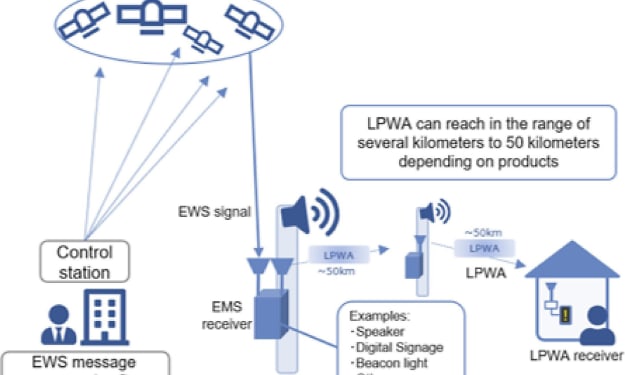
Disasters, whether natural or man-made, have the potential to cause widespread devastation, leading to loss of life, destruction of infrastructure, and economic setbacks. One of the most effective ways to mitigate disaster impact is through Early Warning Systems (EWS), which provide timely alerts to communities, governments, and emergency responders. These systems allow for early action, reducing casualties and damage. Over the years, advancements in technology have improved the effectiveness of early warning systems, making them indispensable tools in disaster management.
By Badhan Sen12 months ago in Earth
Philippines Pesticide Market 2026: Crop Protection Demand, Farm Productivity & Regulatory Shifts
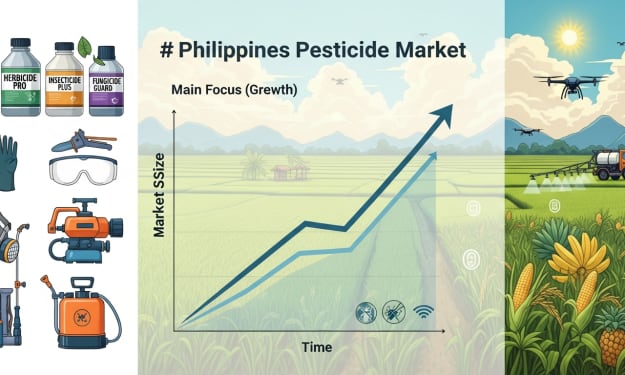
Philippines Pesticide Market Overview The Philippines pesticide market continues to develop as agriculture remains a vital sector supporting food security, rural employment and economic activity. Pesticides play an important role in protecting crops from insects, weeds and diseases, helping farmers improve yields and reduce post-harvest losses. The market includes insecticides, herbicides, fungicides and other crop protection chemicals used across rice, corn, fruits, vegetables, sugarcane and plantation crops.
By Manisha Dixit5 days ago in Earth
The Angry Man in Your House
"If you grow up with an angry man in your house, there will always be an angry man in your house" This statement has caused plenty of controversy online, people say its a statement that blames victims while also undermining those who break traumatic cycles to form health relationships... but if I'm honest now that I'm in my 30s it makes more sense to me than ever, and I'd argue that its not just about fathers and uncles.
By S. A. Crawforda day ago in Humans


Comments (2)
Never knew this you taught me something new. Good job.
This was so interesting and glad they are coming up with some measures to keep the engines running. I found this very informative.