
Early warning systems for disasters
Early Warning Systems for Disasters: Enhancing Preparedness and Response

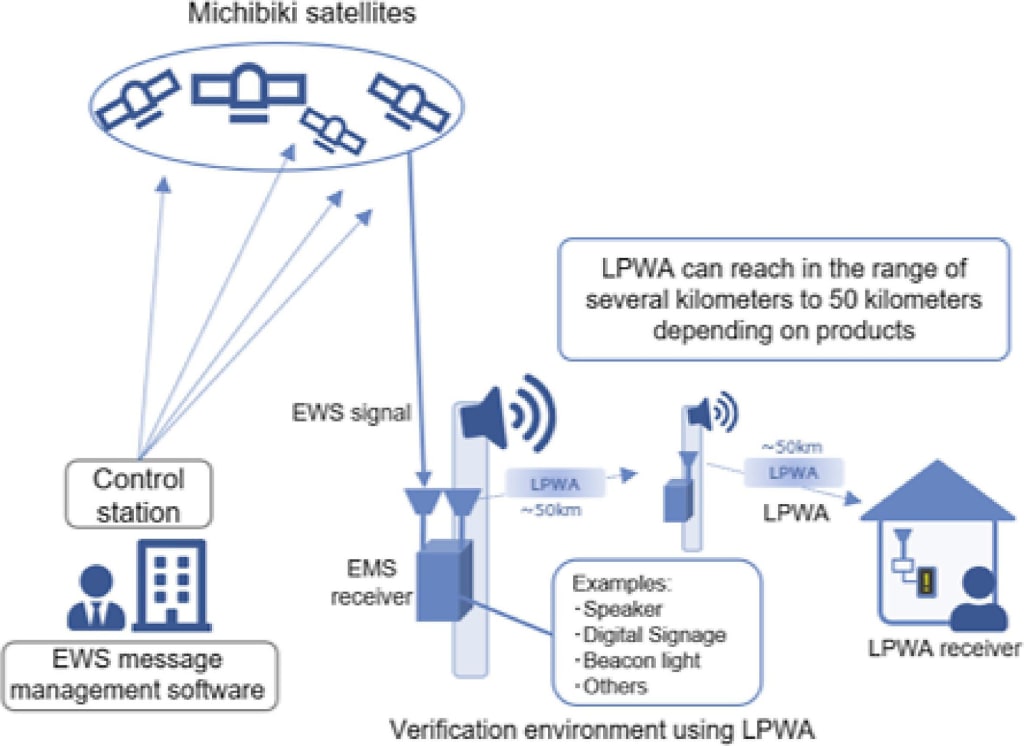
Disasters, whether natural or man-made, have the potential to cause widespread devastation, leading to loss of life, destruction of infrastructure, and economic setbacks. One of the most effective ways to mitigate disaster impact is through Early Warning Systems (EWS), which provide timely alerts to communities, governments, and emergency responders. These systems allow for early action, reducing casualties and damage. Over the years, advancements in technology have improved the effectiveness of early warning systems, making them indispensable tools in disaster management.
What Are Early Warning Systems?
An Early Warning System (EWS) is a framework that helps detect, assess, and communicate potential hazards before they turn into full-scale disasters. It enables individuals and authorities to take proactive measures, such as evacuation, strengthening infrastructure, or preparing emergency response teams. The United Nations Office for Disaster Risk Reduction (UNDRR) defines an effective EWS as one that consists of four key components:
Risk Knowledge – Understanding hazards, vulnerabilities, and potential disaster impacts.
Monitoring and Warning – Using technology to detect risks and issue alerts.
Dissemination and Communication – Spreading timely, understandable warnings to at-risk populations.
Response Capability – Ensuring communities and authorities know how to react effectively.
Types of Early Warning Systems
Different types of disasters require specific EWS technologies and strategies. Some of the most common EWS are:
Meteorological and Climate-Based Warning Systems
These systems track weather-related disasters such as hurricanes, tornadoes, floods, heatwaves, and droughts.
Hurricane and Cyclone Warning Systems: Organizations like the National Hurricane Center (NHC) and the India Meteorological Department (IMD) use satellites, radar, and ocean buoys to predict storm formation and track their paths. Alerts are issued days in advance, giving coastal communities time to evacuate or prepare.
Tornado Warning Systems: Doppler radar detects wind rotation patterns that indicate possible tornado formation. Sirens, TV/radio broadcasts, and mobile alerts notify residents of imminent danger.
Flood Early Warning Systems: River gauges, rainfall sensors, and satellite imagery help predict rising water levels. Agencies like the European Flood Awareness System (EFAS) provide early warnings for flood-prone areas.
Drought Early Warning Systems: Organizations such as the Famine Early Warning Systems Network (FEWS NET) analyze rainfall patterns, soil moisture, and crop conditions to predict droughts and food shortages.
Seismic and Tsunami Warning Systems
These systems focus on detecting earthquakes and tsunamis, giving people valuable seconds to minutes to take action.
Earthquake Early Warning (EEW) Systems: Sensors detect Primary (P) waves, which travel faster but cause minimal damage. Systems like ShakeAlert (USA), J-ALERT (Japan), and SASMEX (Mexico) use these signals to provide a few seconds to minutes of warning before the more destructive Secondary (S) waves arrive. This allows people to take cover and automated systems to shut down critical infrastructure.
Tsunami Early Warning Systems: Seismic activity under the ocean can trigger tsunamis. Systems like DART (Deep-Ocean Assessment and Reporting of Tsunamis) use deep-sea buoys and tidal gauges to detect sea-level changes. Countries in the Pacific and Indian Ocean regions rely on these warnings to evacuate coastal populations.
Volcanic Eruption Early Warning Systems
Volcanic eruptions can cause lava flows, ash clouds, and pyroclastic flows, posing severe threats to nearby communities.
Volcano Monitoring Systems: The Global Volcanism Program and national agencies like the United States Geological Survey (USGS) use seismographs, gas sensors, and thermal imaging to detect magma movement and issue warnings.
Biological and Pandemic Early Warning Systems
With the rise of global pandemics, early detection of disease outbreaks is crucial.
Epidemiological Surveillance Systems: Organizations like the World Health Organization (WHO) and Centers for Disease Control and Prevention (CDC) monitor disease outbreaks using real-time data, AI-based tracking, and genetic analysis.
One Health Approach: This system monitors diseases in animals to detect potential zoonotic threats (e.g., COVID-19, Ebola, and avian flu).
Technological and Industrial Hazard Warning Systems
These systems monitor human-made disasters such as nuclear accidents, chemical spills, and infrastructure failures.
Nuclear Disaster Warning Systems: Radiation detectors monitor nuclear plants, issuing alerts in case of leaks or explosions (e.g., the Chernobyl disaster led to improved nuclear monitoring).
Dam Failure Warning Systems: Sensors track water pressure and structural integrity to warn of impending dam failures.
Challenges in Implementing Early Warning Systems
Despite advancements, several challenges hinder the effectiveness of early warning systems:
Limited Infrastructure in Developing Countries – Many nations lack the resources to implement sophisticated EWS.
False Alarms – Frequent false alerts can lead to complacency and reduced public trust.
Communication Gaps – In remote areas, warning messages may not reach communities in time.
Lack of Public Awareness – Even with proper warnings, poor education on response measures can lead to high casualties.
Future of Early Warning Systems
As technology advances, early warning systems are becoming more accurate and accessible. Some key innovations include:
Artificial Intelligence (AI) and Machine Learning – AI can analyze massive datasets in real-time to improve forecasting accuracy.
Internet of Things (IoT) Sensors – IoT devices provide real-time monitoring of environmental conditions.
Mobile and Social Media Alerts – Platforms like Google Public Alerts and Twitter enable instant communication of warnings.
Crowdsourced Data – Community-driven apps allow citizens to report hazards in real-time.
In 2022, the United Nations announced the “Early Warnings for All” initiative, aiming to ensure every country has an effective EWS by 2027.
IN THE END
Early Warning Systems are crucial in reducing disaster-related fatalities and damages. While challenges remain, continuous advancements in technology and global cooperation are making these systems more efficient. By investing in better forecasting tools, improving communication networks, and educating communities, societies can build resilience and minimize the devastating impact of disasters.
About the Creator
Badhan Sen
Myself Badhan, I am a professional writer.I like to share some stories with my friends.
Keep reading
More stories from Badhan Sen and writers in Earth and other communities.
Mining and mineral extraction
Mining and mineral extraction have played a fundamental role in human civilization for thousands of years. From the early days of simple tool-making to modern industrial applications, mining has been integral to economic development and technological advancement. This article explores the history, methods, environmental impacts, and future trends of mining and mineral extraction.
By Badhan Sen12 months ago in Earth
Talks Between Ukraine and Russia to Restart on Wednesday, Kremlin Says – Latest News
Diplomatic negotiations between Ukraine and Russia are expected to restart on Wednesday, according to statements from the Kremlin, marking another potential turning point in one of the most significant geopolitical conflicts in recent history. While previous rounds of talks have produced limited long-term results, the decision to return to the negotiating table has drawn global attention, as world leaders and humanitarian organizations hope renewed dialogue could reduce violence and improve humanitarian conditions.
By Aarif Lashari7 days ago in Earth
Greenland's ice loss is being silently accelerated by airborne dust.
The warmer air isn't the only reason why Greenland's ice is melting. By feeding dark algae blooms that absorb sunlight and accelerate ice loss, tiny particles carried by the wind can subtly alter surface conditions.
By Francis Dami5 days ago in Earth
Feelings Never Die
It is Valentine's Day again, and it bought back memories that were over fifty years old. It bought me back to 1971, and I woke up and I knew my baby was due today. I was big and pregnant, and I felt like I was about to burst wide open. Imagine my surprise when the doctor told my I had a due date of February 14. I couldn't believe it, and since my baby was due today, I felt I could indulge myself a bit. I had gained a lot of weight, and chocolate was on the no-no list, but I had came to the end of this pregnancy, and I hoped it would be okay, after all I would deliver this baby today. So I walked across the street to the grocery story, and bought myself, a peppermint patty, covered in chocolate, my favorite. Me and my Valentine's baby would enjoy it together.
By Susan Payton3 days ago in Fiction


Comments (1)
Great job on this article, but there are always people who do not heed the warning.