
Vertical Farming as a Solution to Urban and Environmental Challenges
Innovative approach to sustainable urban development and environmental protection

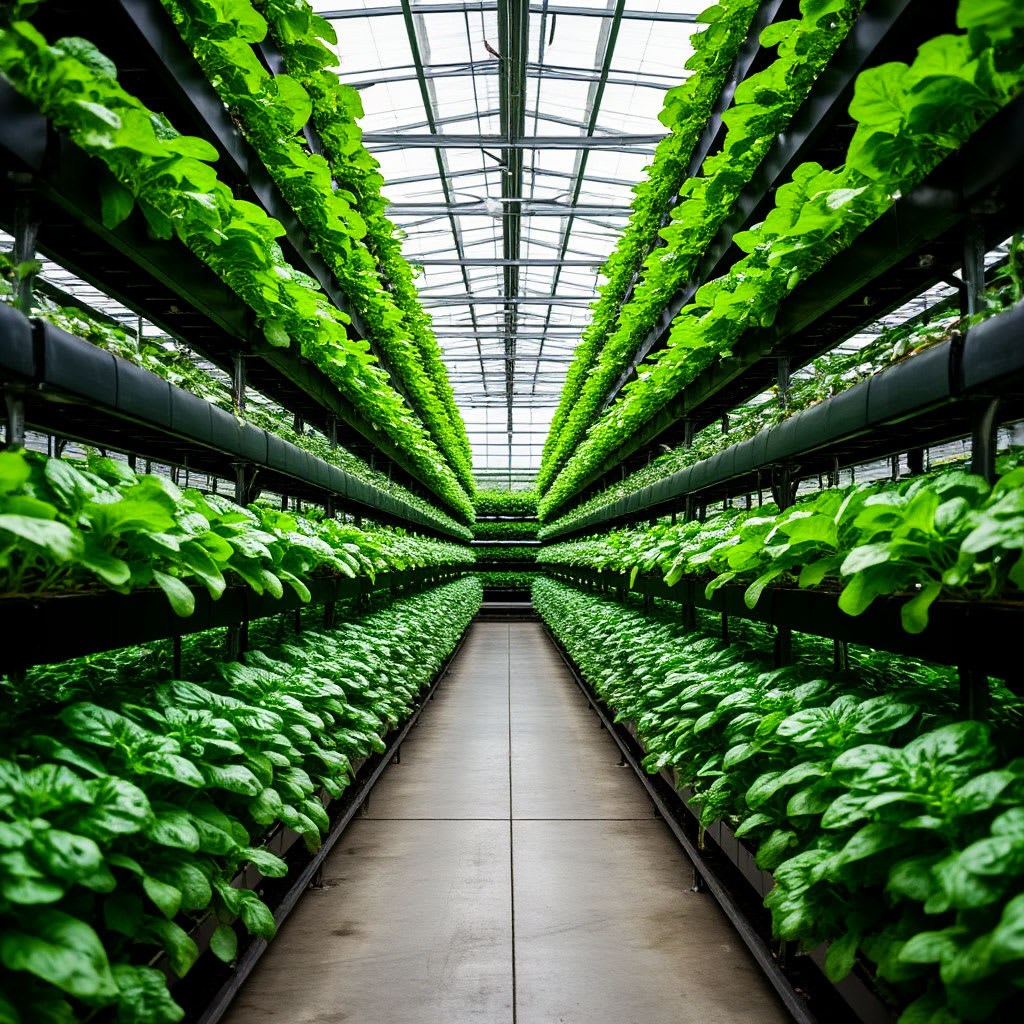
In recent years, vertical farming has become an increasingly popular method of food production, especially in the context of the urban-environmental crisis. As urban populations rapidly grow worldwide, city dwellers face limited access to fresh and healthy food. Traditional farming methods often cannot keep up with the increased demand, especially within city limits where space is scarce. Vertical farming offers a promising solution to increase food security, reduce the carbon footprint, and optimize resource usage by growing crops in vertically stacked layers, often within controlled environments.
What is vertical farming
Vertical farming is an innovative agricultural technique where plants are cultivated in vertically stacked layers, which can be arranged in structures such as multi-story buildings, shipping containers, or specially designed farming installations. These systems utilize controlled-environment agriculture (CEA) technology to regulate variables like temperature, humidity, light, and nutrient levels precisely. This precision allows year-round crop production, independent of seasonal changes or external weather conditions. Vertical farms can employ soil-based cultivation or advanced soilless farming techniques like hydroponics, aeroponics, and aquaponics, which use less water and space compared to traditional agriculture.
Benefits of vertical farming
Space efficiency is one of the most significant advantages of vertical farming. By growing crops upward instead of outward, vertical farms require far less land area, making them particularly suitable for urban environments where land is both limited and expensive. This method enables food production in locations that were previously unsuitable for agriculture, such as rooftops, abandoned warehouses, or urban centers.
Sustainability and reduced transportation costs also stand out among the benefits. Since vertical farms can be located directly within or near cities, the supply chain between farm and consumer is drastically shortened. This proximity minimizes transportation emissions and spoilage of fresh produce during long-distance shipping. As a result, consumers receive fresher products, and the overall environmental impact is significantly lowered.
Control of growth conditions is another vital benefit. Vertical farming systems use advanced technologies like LED lighting, climate control, and nutrient delivery systems that create optimal conditions for plant development. This controlled environment means crops grow faster, yield more, and are less prone to diseases caused by external factors. Additionally, the ability to grow food indoors shields plants from extreme weather events, pests, and contamination by pollutants.
Reduced use of pesticides is a direct consequence of cultivating plants in closed or semi-closed environments, where the risk of pest infestations diminishes greatly. This reduction benefits both the environment and human health by minimizing the reliance on harmful chemical pesticides.
Water conservation is a particularly important advantage given the growing global water scarcity. Vertical farms often employ hydroponic or aeroponic systems, which recycle water and use significantly less compared to conventional farming. Some vertical farms can reduce water consumption by up to 90%, making this approach more sustainable and less dependent on freshwater resources.
Examples of successful projects
Several pioneering companies have demonstrated the practicality and benefits of vertical farming. Brooklyn Grange, based in New York City, operates rooftop farms across multiple buildings, producing a wide variety of vegetables and herbs. Their success has inspired similar projects in other urban areas, proving that vertical agriculture can be integrated into existing city infrastructures.
Plantagon, a Swedish company, developed an innovative concept that combines vertical farming with public space development. Their designs envision urban vertical farms that not only grow food but also provide green areas for city residents, blending food production, sustainability, and community spaces in one solution.
Other notable examples include AeroFarms in the United States, known for their patented aeroponic systems that maximize yield with minimal resources, and Sky Greens in Singapore, which uses rotating vertical racks to optimize sunlight exposure in a highly space-efficient manner.
The future of vertical farming
Technological advances continue to drive the growth of vertical farming, making it increasingly viable as a mainstream agricultural practice. Improvements in LED lighting efficiency, automation, robotics, and artificial intelligence for monitoring plant health are making vertical farms more productive and cost-efficient.
Societal awareness of sustainable agriculture and climate change also supports the adoption of vertical farming. As cities grow and face challenges like climate variability, land degradation, and food insecurity, vertical farming offers resilience and adaptability that traditional farming cannot easily provide. By decentralizing food production and bringing it closer to consumers, vertical farms help reduce vulnerabilities in food supply chains.
In addition, vertical farming has economic implications: it creates urban jobs in high-tech agriculture, stimulates innovation, and promotes local economies. Governments and investors increasingly recognize its potential and support initiatives to expand vertical farming infrastructure.
However, vertical farming also faces challenges. High initial capital investment, energy consumption for artificial lighting, and the need for skilled labor are significant hurdles to overcome. Ongoing research aims to tackle these issues by developing more energy-efficient technologies, renewable energy integration, and user-friendly farming systems.
Overall, vertical farming is poised to transform agriculture by offering innovative solutions to modern urban and environmental problems. It represents a fusion of agriculture, technology, and sustainability that could change how we produce and consume food in the future.
Vertical farming is thus not just a novel farming method but a comprehensive approach to create healthier cities, enhance food security, and protect the planet. With each new project and technological breakthrough, we move closer to making sustainable urban food production a widespread reality across the globe.
About the Creator
Helga Che
My name is Olga, I love studying plants and ecology.
Inflation Remained at 2.7% in December: High Prices Continue to Weigh on Many Americans
As Americans rang in the new year, many were relieved to see that inflation in December held steady at 2.7%, according to the latest reports. On the surface, this might seem like good news — a signal that runaway price growth is slowing. But for countless households across the country, the reality is more complicated: high prices continue to strain budgets, affecting everything from groceries to gas, rent, and beyond. The Numbers Behind the Headlines December’s 2.7% inflation rate, measured year-over-year, shows no significant change from November. This is a continuation of the trend economists have watched closely throughout 2025: after a period of intense price spikes, inflation appears to be moderating but remaining stubbornly above pre-pandemic norms. Key areas contributing to this steady inflation include: Food prices, particularly meat, dairy, and fresh produce, which have remained elevated due to supply chain challenges and global agricultural pressures. Housing costs, including rents and home prices, which continue to rise in many urban and suburban markets. Energy prices, especially gasoline and home heating, which fluctuate seasonally but have not dropped enough to ease household pressure. While 2.7% may seem manageable compared to the double-digit spikes of 2021–2022, it still outpaces wage growth for millions of Americans, meaning that in real terms, many are experiencing reduced purchasing power. How Inflation Affects Everyday Americans For many families, the impact of steady inflation is tangible. Consider this: a household spending $500 a month on groceries in 2025 might now be paying over $535 for the same items. Gasoline, which has seen seasonal swings, can quickly add dozens of dollars to monthly commuting costs. Rent, historically the largest expense for most households, has grown faster than wages in many cities. A steady 2.7% inflation rate means renters face incremental increases in living costs every month, often outpacing salary adjustments. Even seemingly small price increases ripple across budgets. Families may delay purchases, cut discretionary spending, or tap savings, which in turn affects broader consumer demand — a key driver of economic growth. The Role of the Federal Reserve and Economic Policy Inflation is not just about prices at the grocery store — it’s also shaped by monetary policy, interest rates, and government action. Throughout 2025, the Federal Reserve maintained a cautious approach, keeping interest rates relatively high to control inflation without triggering a recession. The Fed’s actions aim to balance: Slowing price growth to protect consumers’ purchasing power Avoiding a sharp economic downturn that could result from overly aggressive rate hikes Despite these efforts, economists warn that inflation’s persistence at 2.7% suggests structural pressures in the economy. Global supply chain disruptions, rising energy costs, and ongoing demand for goods and services continue to exert upward pressure on prices, making it harder for policy alone to bring relief. Inflation and Wage Growth: A Delicate Balance One of the most concerning aspects of steady inflation is its relationship with wages. For workers whose salaries haven’t kept pace with rising costs, inflation effectively reduces real income. Some sectors, like technology and healthcare, have seen modest wage gains, but many service industries — retail, hospitality, and small businesses — continue to struggle. Employees in these fields often find that even small price increases can significantly affect their quality of life, from grocery shopping to transportation and childcare expenses. What This Means for the Economy Steady inflation at 2.7% has several implications for the broader economy: Consumer Spending: When households feel the pinch, discretionary spending declines, which can slow economic growth. Investment Decisions: Businesses facing higher input costs may delay expansion or hiring, affecting job markets. Housing Market Dynamics: Rising rent and home prices continue to challenge affordability, influencing both buyers and renters. Financial Planning: Americans are increasingly turning to budgeting strategies, high-yield savings, or side income to offset higher costs. Economists stress that while inflation at this level is not catastrophic, it remains a long-term concern, especially if wages fail to keep up with price growth. Strategies for Coping with Persistent Inflation For households navigating these pressures, there are several approaches: Budget adjustments: Tracking expenses and prioritizing essential costs can help manage monthly finances. Smart shopping: Using discounts, bulk purchasing, and price comparison can reduce grocery and household costs. Energy efficiency: Lowering utility bills through energy-saving practices mitigates rising energy prices. Financial literacy: Investments, savings, and debt management become even more crucial in times of persistent inflation. While these steps cannot eliminate inflation’s impact, they provide tangible ways for Americans to protect their finances. Looking Ahead Economists predict that inflation in 2026 may continue to hover around 2–3%, barring unexpected shocks such as global conflicts, energy crises, or supply chain disruptions. While not extreme, this range continues to influence household budgets, corporate planning, and government policy decisions. For many Americans, the lesson is clear: even modest inflation can weigh heavily on day-to-day life. Staying informed, adjusting financial habits, and understanding the economic landscape remain essential for navigating a world where prices are higher than before. Steady inflation at 2.7% is a reminder that economic stability is fragile. While the numbers suggest moderation, the lived experience of millions of Americans shows that high prices are far from over, influencing decisions from grocery shopping to career planning. As the new year unfolds, households, businesses, and policymakers alike must grapple with the realities of an economy where every percentage point matters.
By Muhammad Hassan4 days ago in Earth
UAE Enters Al Shabt: Brace for Winter’s Coldest Days
The United Arab Emirates is set to experience one of the harshest winter spells in recent memory as the country enters Al Shabt, a period traditionally associated with extreme cold. Residents across the emirates are being urged to prepare for temperatures that are expected to drop well below seasonal averages, with potential disruptions to daily life, travel, and energy consumption. Meteorologists have warned that Al Shabt, historically marked by icy winds and sudden temperature dips, will this year be particularly severe due to a combination of regional weather patterns and shifting global climatic trends. Forecasters predict nighttime temperatures in some areas could drop to as low as 8–10°C, a significant decline for a country more accustomed to mild winters. Coastal regions may experience slightly warmer conditions, but the cold will be intensified by strong northern winds sweeping across the Arabian Peninsula. Understanding Al Shabt Al Shabt, which translates to “the coldest part of winter,” is a term deeply embedded in Gulf traditions. Historically, Bedouins and farmers used the period to plan agricultural activities, livestock care, and resource management. Today, while modern infrastructure and urban planning mitigate some effects of the cold, the cultural significance remains, and residents are reminded of its intensity through historical observations and local weather lore. “Al Shabt is more than a cultural marker—it’s a meteorological reality,” said Dr. Aisha Al Mansoori, a senior climatologist at the UAE National Center for Meteorology. “We are observing patterns that suggest this Al Shabt could be colder than usual. Residents should take precautions, especially in northern and inland regions where the temperature drop will be most pronounced.” Preparing for the Cold Authorities across the UAE are taking proactive measures to help residents and businesses prepare for the upcoming cold spell. The Ministry of Interior has issued advisories for motorists to check vehicle heating systems and tire conditions, while electricity and water authorities are ensuring that energy grids are ready for increased demand. Hospitals and emergency services have also been put on alert to handle potential cold-related health incidents. Schools and universities are expected to remain open, but parents are being advised to dress children in warm layers and limit outdoor exposure, especially during early morning and late evening hours. Workplaces are encouraged to implement flexible schedules to reduce the risks associated with commuting during frigid mornings. Travel and Transportation Challenges The UAE’s extensive road network and urban infrastructure may face some challenges during Al Shabt. While snow is highly unlikely, fog formation during the early morning hours could reduce visibility, leading to potential travel disruptions. Aviation authorities are coordinating with meteorologists to monitor conditions at major airports, ensuring that flights remain on schedule while prioritizing passenger safety. “Drivers should exercise caution and plan extra time for their journeys,” said Hamad Al Suwaidi, a senior official at the Roads and Transport Authority. “Even a minor dip in temperature can create slick roads in certain areas, and we advise everyone to remain vigilant and adhere to safety guidelines.” Impact on Daily Life Beyond transportation, the cold weather is expected to affect outdoor events, construction projects, and energy consumption. Many outdoor workers may need additional protective clothing, while households will see a surge in electricity usage for heating. Retailers and service providers are preparing for increased demand for warm clothing, heaters, and other winter essentials. Health experts emphasize the need for precautions, particularly among vulnerable populations such as the elderly, children, and individuals with preexisting conditions. “Cold weather can exacerbate respiratory illnesses and cardiovascular problems,” said Dr. Mohammed Al Hammadi, a public health specialist. “Hydration, proper clothing, and staying indoors during the coldest hours are key measures to minimize health risks.” Looking Ahead While Al Shabt is expected to last for several days, meteorologists suggest that the period of extreme cold will gradually ease as the region transitions toward milder winter conditions. Nevertheless, residents are advised to remain prepared and informed, as sudden weather shifts are common in the Gulf. “The key to navigating Al Shabt is awareness and readiness,” Dr. Al Mansoori concluded. “The cold may be intense, but with proper precautions and respect for the weather, residents can stay safe and even enjoy the unique aspects of this traditional winter period.” In the coming days, the UAE will experience an unusual contrast—desert landscapes typically associated with warmth will be gripped by biting cold, reminding residents of the country’s diverse climatic character. As the nation braces for Al Shabt, the emphasis is on preparation, safety, and resilience, ensuring that the coldest days of winter are met with caution rather than surprise.
By Fiazahmedbrohi about 12 hours ago in Earth




Comments (1)
Vertical farming is really interesting. It makes sense in urban areas with limited space. I've seen some small-scale vertical setups in my area. They use less water, which is great. But I wonder how they deal with power outages in the controlled environments? Also, are there any challenges in scaling up these operations while maintaining the same level of crop quality? It seems like a good solution for fresh food in cities, but we need to work out all the kinks.