
Vegetable gardening
How to Start and Maintain a Successful


Vegetable gardening is a rewarding and enjoyable activity that allows you to grow your own fresh and nutritious produce. Whether you have a spacious backyard or a small balcony, you can create a successful vegetable garden by following these steps:
Planning and Site Selection:
Determine the space available for your vegetable garden. Consider factors such as sunlight exposure, soil quality, and accessibility to water.
Choose a location that receives at least 6-8 hours of direct sunlight per day. Most vegetables require ample sunlight to grow and produce a bountiful harvest.
Assess the soil quality and fertility. Ideally, the soil should be well-draining, rich in organic matter, and have a slightly acidic to neutral pH level (around 6.0-7.0).
Consider the proximity to a water source for easy irrigation.
Preparing the Soil:
Clear the area of any weeds, rocks, or debris. This will create a clean space for your vegetable plants to grow.
Loosen the soil using a garden fork or tiller to a depth of about 8-12 inches. This will improve soil aeration and allow the roots to penetrate easily.
Incorporate organic matter such as compost, well-rotted manure, or leaf mulch into the soil to enrich it with nutrients and improve its structure.
Choosing and Starting Seeds/Seedlings:
Select vegetable varieties that are well-suited for your climate and growing conditions. Consider factors like heat tolerance, disease resistance, and days to maturity.
Determine whether to start from seeds or purchase seedlings from a nursery. Starting from seeds allows for a wider variety, while seedlings provide a head start.
Follow the recommended sowing depth and spacing for each vegetable. Start seeds indoors or directly sow them into the garden, depending on the plant's requirements and the local growing season.
Planting and Care:
Dig holes or create furrows in the prepared soil according to the spacing recommendations for each vegetable.
Carefully transplant seedlings or sow seeds into the designated spots.
Water the newly planted vegetables gently and consistently to keep the soil moist but not waterlogged. Mulching around plants can help retain moisture and suppress weeds.
Regularly monitor the garden for pests, diseases, and nutrient deficiencies. Implement organic pest control methods and address any issues promptly.
Provide support structures, such as trellises or stakes, for climbing vegetables like tomatoes or cucumbers.
Maintain a consistent watering schedule, ensuring the plants receive about 1 inch of water per week. Adjust watering based on weather conditions and plant needs.
Fertilizing and Mulching:
Feed your vegetable plants with balanced organic fertilizers or compost to provide essential nutrients throughout the growing season.
Apply mulch around the plants to suppress weeds, retain moisture, and regulate soil temperature.
Regular Maintenance:
Monitor the growth and health of your vegetable plants regularly. Remove any weeds that compete for nutrients and water.
Prune or pinch off any damaged or diseased leaves to prevent the spread of diseases.
Harvest vegetables at the appropriate stage of ripeness to ensure optimal flavor and quality. Regular harvesting also encourages further production.
Crop Rotation and Succession Planting:
Practice crop rotation by changing the location of vegetables within your garden each year. This helps prevent the buildup of pests and diseases and maintains soil fertility.
Consider succession planting, which involves sowing new seeds or transplanting seedlings in stages to ensure a continuous harvest throughout the growing season
Easy to grow plants in a vegetable garden
If you're new to vegetable gardening or prefer low-maintenance plants, here are some easy-to-grow options for your vegetable garden:
Tomatoes: Tomatoes are popular and relatively easy to grow. They come in various sizes and colors. Choose determinate varieties for compact growth or indeterminate varieties for vining habits. Provide support with stakes or cages.
Lettuce: Lettuce is a fast-growing leafy green that thrives in cool weather. It's perfect for early spring and fall planting. Harvest outer leaves as needed, allowing the plant to continue growing.
Radishes: Radishes are quick-growing root vegetables. They're great for beginner gardeners as they mature within a few weeks. Plant them in well-drained soil and enjoy their crisp and peppery flavor.
Green Beans: Green beans are productive and easy to grow. Bush beans are compact and don't require support, while pole beans are vining and need trellises or poles. Harvest young beans for a tender taste.
Zucchini/Squash: Zucchini and other summer squashes are fast-growing and prolific. They produce abundant fruit throughout the season. Give them space to sprawl or use trellises for vertical growth.
Cucumbers: Cucumbers are refreshing and versatile. They grow well in warm climates and require trellises or cages for vertical growth. Harvest them when they're firm and crisp.
Herbs (such as basil, parsley, and mint): Herbs are not only flavorful but also easy to grow. They can be grown in containers or directly in the ground. Harvest herbs regularly to promote bushier growth.
Peppers: Peppers come in various heat levels and colors, from sweet bell peppers to spicy chili peppers. They thrive in warm weather and benefit from staking or cages for support.
Carrots: Carrots are root vegetables that grow well in loose, well-drained soil. Choose shorter varieties for container gardening. Harvest them when they reach the desired size.
Swiss Chard: Swiss chard is a nutritious leafy green that tolerates a range of growing conditions. It has colorful stems and can be harvested by cutting outer leaves, allowing the plant to continue growing.
These are just a few examples of easy-to-grow plants for your vegetable garden. Remember to consider your specific climate, soil conditions, and gardening preferences when selecting vegetables. Additionally, always refer to seed packets or local gardening resources for specific planting and care instructions
About the Creator
Keep reading
More stories from Brian Powell and writers in Earth and other communities.
Indoor Gardening
Indoor gardening refers to the practice of growing plants inside a controlled environment, typically within the confines of a home or a building. It allows individuals to cultivate a variety of plants, ranging from flowers and herbs to vegetables and tropical plants, regardless of the outdoor climate or limited outdoor space.
By Brian Powell3 years ago in Earth
New York Prepares for Possibly Its Heaviest Snowfall in Years
New York City and surrounding areas are preparing for what could be one of the heaviest snowfalls in years, according to meteorologists. The forecast predicts intense snow, gusty winds, and potentially hazardous conditions, prompting city officials, emergency services, and residents to take precautionary measures.
By Muhammad Hassana day ago in Earth
Australia Organic Fertilizer Market Size and Forecast 2025–2033
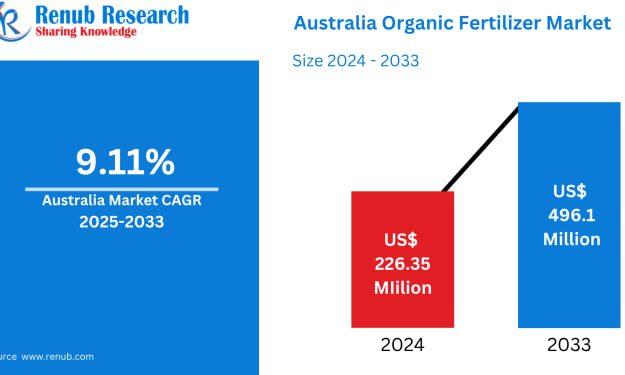
Australia Organic Fertilizer Market Outlook The Australia Organic Fertilizer Market is entering a strong growth phase as sustainability becomes a core priority for farmers, consumers, and policymakers alike. According to Renub Research, the market is expected to reach US$ 496.1 million by 2033, rising from US$ 226.35 million in 2024, expanding at a CAGR of 9.11% from 2025 to 2033.
By jaiklin Fanandish2 days ago in Earth
Autonomy Is The Real Privilege
Good morning, freedom-seekers! Today we’re gonna be looking at autonomy. A strange word, I know; one many would probably look at blankly and run away from on sight. We’re gonna figure out what it actually means, consider how it’s achieved, and decipher just how deeply most of us are tangled up in dependence without realising it.
By That ‘Freedom’ Guy4 days ago in Humans



Comments
There are no comments for this story
Be the first to respond and start the conversation.