
Variety of Feedstocks for Biomass Pyrolysis
Exploring Multiple Options

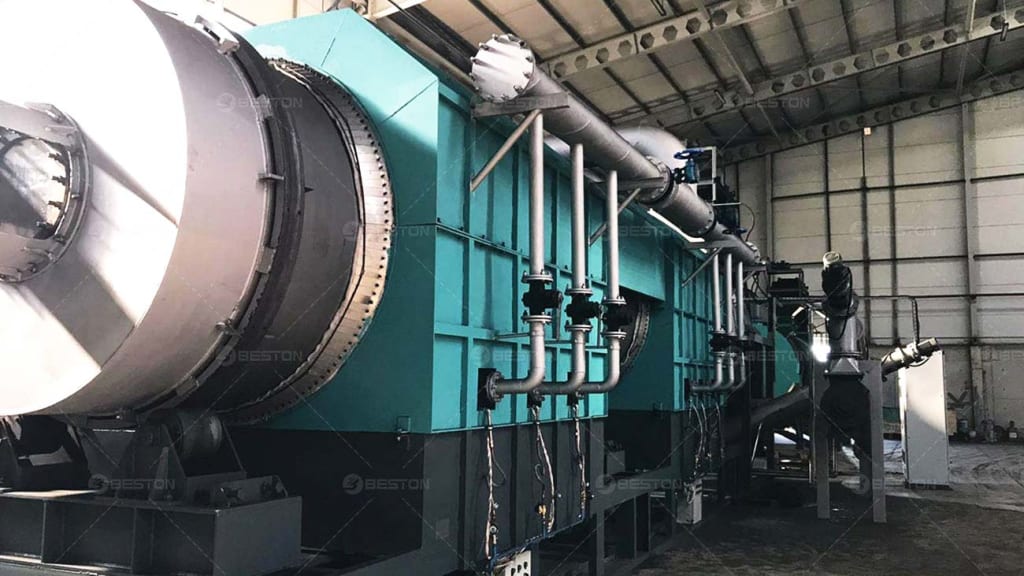
Biomass pyrolysis is a promising process for converting organic materials into valuable products, including bio-oil, biochar, and syngas. These products offer alternatives to fossil fuels and have applications in energy production, soil enhancement, and chemical manufacturing. The process itself involves heating organic materials in the absence of oxygen, which leads to the thermal decomposition of the biomass. One of the key factors in optimizing biomass pyrolysis is the choice of feedstock.
Biomass can come from a wide variety of raw materials, each with unique characteristics that influence the efficiency and quality of the pyrolysis products. In this blog, we’ll explore the different feedstocks that can be used for biomass pyrolysis plant and examine their potential benefits.
1. Wood and Wood Chips
Wood is one of the most commonly used feedstocks for pyrolysis due to its availability, consistency, and relatively high energy content. Wood chips, sawdust, and wood shavings are often used in large-scale pyrolysis facilities. They are rich in cellulose, which breaks down easily under heat to form bio-oil and syngas.
- High carbon content.
- Relatively easy to process.
- Widely available in many regions.
2. Agricultural Residues
Agricultural residues such as straw, rice husks, corn stalks, and wheat chaff are abundant, renewable, and often underutilized. These materials are rich in lignocellulosic biomass, making them excellent candidates for pyrolysis.
- High availability in agricultural regions.
- Helps reduce waste from agricultural production.
- Can produce biochar that can be used to improve soil health.
3. Energy Crops
Energy crops such as switchgrass, miscanthus, and jatropha are specifically grown for bioenergy purposes. These crops are fast-growing and require less water and fertilizer than traditional crops, making them a sustainable option for pyrolysis feedstock.
- Tailored for bioenergy production.
- High cellulose and hemicellulose content, making them ideal for bio-oil production.
- Can be grown on marginal land, minimizing competition with food crops.
4. Food and Yard Waste
Organic waste, including food scraps and yard waste (such as grass clippings, leaves, and garden trimmings), is an abundant feedstock that can be used for pyrolysis. Using waste materials for energy production not only reduces landfill waste but also provides a renewable energy source.
- ces waste and landfill burden.
- Readily available in urban and suburban areas.
- Can produce both biochar and bio-oil.
5. Algae
Algae, both microalgae and macroalgae, are gaining attention as a feedstock for biofuel production due to their high lipid content. When processed through pyrolysis, algae can yield bio-oil, which has significant potential as an alternative to petroleum-based fuels.
- High oil yield, especially in certain types of microalgae.
- Can be cultivated in aquatic environments, reducing competition with land crops.
- Algae can absorb carbon dioxide, making it a potentially carbon-negative feedstock.
The choice of feedstock for biomass pyrolysis significantly affects the process efficiency and the quality of the end products. Wood and agricultural residues remain popular due to their abundance and high energy content. However, newer feedstocks such as algae, energy crops, and even waste materials are increasingly being explored to reduce costs and improve sustainability. Ultimately, selecting the optimal feedstock depends on factors such as availability, cost, desired product characteristics, and environmental impact.
As the demand for renewable energy sources and waste-to-energy solutions grows, the versatility of biomass pyrolysis feedstocks offers a promising pathway to sustainable energy production. By optimizing feedstock selection and refining pyrolysis technologies, we can create a more sustainable future while addressing waste management challenges and reducing our reliance on fossil fuels.
The diverse range of feedstocks available for biomass pyrolysis offers a wealth of opportunities for sustainable energy production and waste management. As technology advances and more feedstocks are explored, we can expect to see even greater innovation in this field. By leveraging these various biomass sources, we not only enhance energy security but also contribute to a cleaner, greener future. With continued research and development, biomass pyrolysis has the potential to become a cornerstone of the circular economy, where waste is minimized, and valuable resources are maximized.
About the Creator
Bestonpyrolysis
Engaged in waste plastic/tyre/rubber recycling, oil sludge treatment, biomass recycling, sewage sludge management and paper recycling…
https://bestonpyrolysisplant.com/
Keep reading
More stories from Bestonpyrolysis and writers in Earth and other communities.
Pyrolysis Machinery: Industry-Standard Industrial Design
The advancement of pyrolysis technology has revolutionized the way industries address waste disposal, energy generation, and resource recovery. As the demand for more sustainable and efficient waste management systems continues to grow, the role of pyrolysis machinery becomes even more critical. However, the success of these systems is not only determined by their technical capabilities but also by the quality of their industrial design. This article explores how industrial design standards influence the performance, safety, and efficiency of pyrolysis machinery, ensuring that they meet both environmental and operational requirements.
By Bestonpyrolysisabout a year ago in Earth
How Bad Is AI for the Environment, Really?
Artificial intelligence is rapidly becoming part of everyday life. From chatbots and image generators to recommendation algorithms and automated customer service, AI systems are now embedded in countless digital tools.
By Navigating the Worlda day ago in Earth


Comments
There are no comments for this story
Be the first to respond and start the conversation.