
Vanishing Green: The Silent Crisis of Endangered Plants
An invisible threat to nature and humanity

Vanishing Green: The Silent Crisis of Endangered Plants
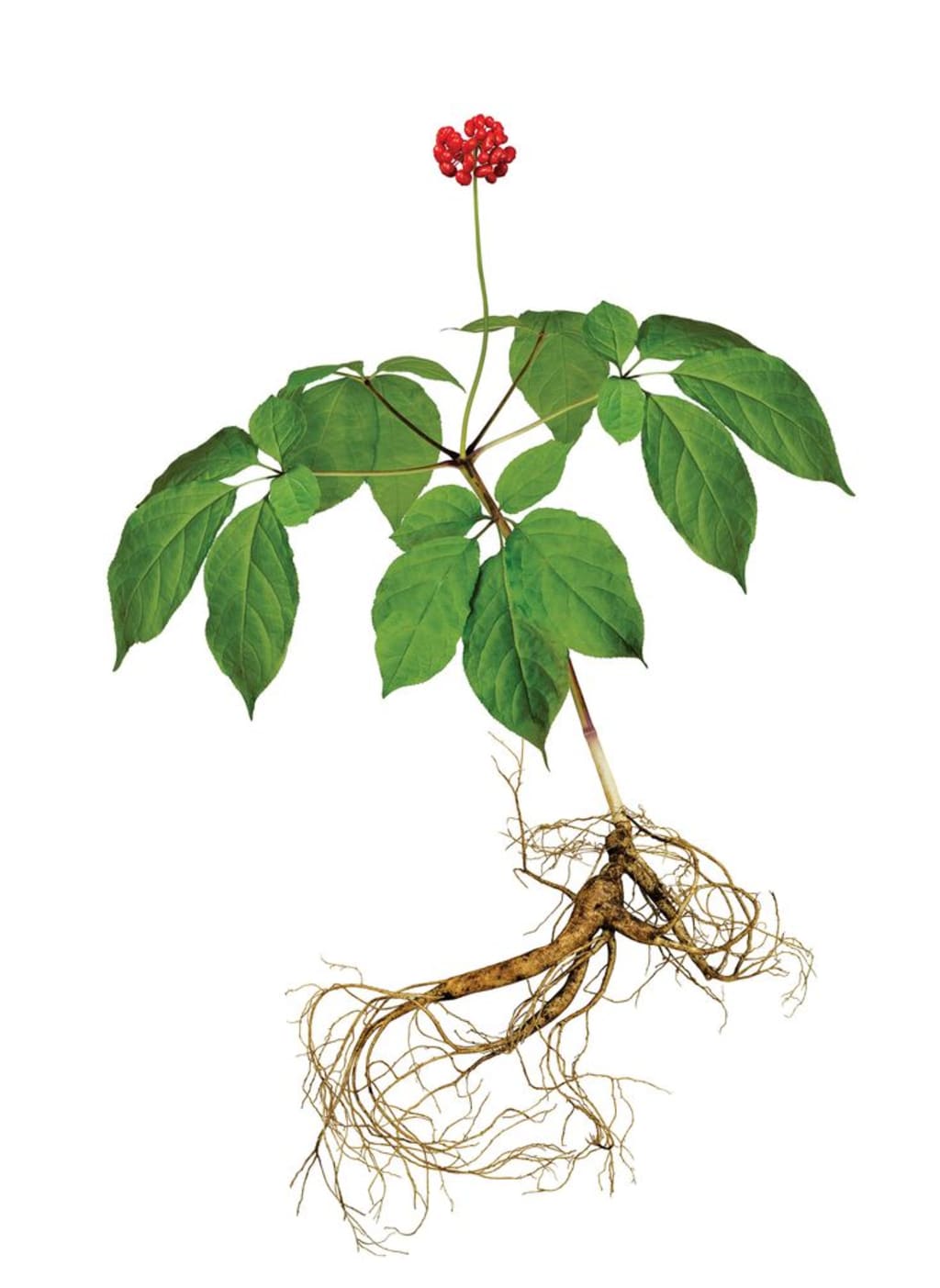
When we hear the word “extinction,” we often picture animals—tigers, rhinos, whales. But plants are silently vanishing all around us, and their disappearance is just as critical. Endangered plants are species on the brink of extinction, either globally or within specific ecosystems. Their decline not only threatens biodiversity but also disrupts entire ecosystems, affecting everything from soil health to pollinators and even human survival.
Why Plants Are Disappearing
Plants don’t scream, run, or fight back. Their decline is subtle but relentless, often going unnoticed until it’s too late. Here are some of the key causes:
1. Habitat Destruction
This is the leading cause of plant extinction. As forests are cleared for agriculture, urban development, and infrastructure, countless plant species lose their homes. Swamps and wetlands are drained, and meadows are turned into farmland, leaving native plants with nowhere to grow. For example, in Southeast Asia, palm oil plantations have replaced vast tracts of rainforest, pushing unique orchids and ferns to the edge of extinction.
2. Pollution
Industrial chemicals, pesticide overuse, and soil contamination can poison plant life. Pesticides intended to protect crops from insects can also destroy beneficial fungi and microorganisms that support plant growth. In heavily farmed areas, the excessive use of fertilizers can lead to “dead zones,” where native flora can no longer thrive.
3. Invasive Species
Non-native plants or animals introduced into a region can quickly outcompete local flora. For instance, the kudzu vine, originally brought from Asia to the southeastern United States, has spread so aggressively that it chokes out native plants, smothering forests in thick green blankets. Invasive species often have no natural predators in their new environments, allowing them to dominate unchecked.
4. Overgrazing by Livestock
In regions where herding is intensive, animals such as goats and cattle can consume vegetation faster than it can regenerate. This is especially damaging in fragile ecosystems like dry grasslands or alpine meadows. Certain rare grasses and herbs may be grazed to extinction, unable to bounce back due to constant pressure.
5. Climate Change
Rising temperatures, shifting rainfall patterns, and extreme weather events can make previously habitable regions inhospitable for certain plants. Alpine flowers, for instance, may have nowhere higher to go as temperatures rise. Coastal plants face saltwater intrusion and erosion due to rising sea levels.
Real-World Examples
- Western Prairie Fringed Orchid in North America: Once widespread, it now survives in fragmented populations due to agriculture and grazing.
- Jellyfish Tree (Medusagyne oppositifolia) in the Seychelles: Only a few dozen are left in the wild, as its habitat shrinks and seeds rarely germinate.
- Rafflesia arnoldii, the world’s largest flower, native to Southeast Asia: It depends on specific host vines and forest conditions, making it highly vulnerable to deforestation.
Why It Matters
Plants are the foundation of life. They produce oxygen, filter water, stabilize soils, and serve as food and shelter for countless organisms. Their extinction isn’t just an environmental tragedy—it’s a chain reaction that can affect crops, climate, and health. Medicinal plants, in particular, offer untapped potential; the cure for future diseases may vanish before it's even discovered.
What We Can Do
Protecting endangered plants requires both large-scale action and individual effort. Here’s how we can help:
- Support Conservation Efforts: Botanical gardens, seed banks, and rewilding projects are critical for preserving plant diversity. Organizations like the Millennium Seed Bank store seeds from endangered species, acting as an insurance policy for the planet.
- Buy Responsibly: Choose sustainably sourced wood, paper, and agricultural products. Look for certifications like FSC (Forest Stewardship Council) that indicate responsible harvesting.
- Plant Native Species: In your garden or community spaces, planting native flowers and trees helps support local ecosystems and pollinators.
- Limit Use of Chemicals: Avoid or reduce chemical fertilizers, herbicides, and pesticides. Opt for organic and eco-friendly alternatives.
- Educate and Advocate: Share knowledge about endangered plants. Support laws and policies that protect habitats and regulate development.
A Shared Responsibility
Every plant we lose is a thread unraveled from the intricate web of life. Saving endangered plants isn’t just about preserving beauty—it’s about protecting the very systems that sustain us. Whether it’s the tree that filters our air or the herb that holds a cure, each species matters. The green silence of extinction is growing louder. It’s time we listened—and acted.
About the Creator
Helga Che
My name is Olga, I love studying plants and ecology.
Tea of Silence
The snow had covered the hills for days, turning the land into a quiet white world where sound seemed afraid to exist. On the highest of these hills, beneath a dry, leafless tree, a young man sat alone. The tree had long ago lost its strength, its branches thin and broken, but it still stood, as if refusing to disappear. The young man chose this place often, not because it was comfortable, but because it was honest.
By Bilal Mohammadi8 days ago in Earth
Microbiota, microbiome or microflora: how to speak correctly and why it is for health.
You've probably heard the phrase, "We are what we eat." But modern science says more precisely: we are also those who live in us. Until 2016, it was believed that there are many times more bacteria in our body than our own cells. The latest calculations by mathematicians show that we divide the body with our microorganisms by about 50/50: about 30 trillion of our cells versus 38 trillion bacterial ones.
By Yaroslav Gorohov3 days ago in Earth



Comments (1)
Plants disappearing is a big deal. Habitat destruction, like in Southeast Asia with palm oil plantations, is huge. Pollution from chemicals and overuse of stuff also harms them. And those invasive species, like kudzu, are a real problem. It makes me wonder what we can do on a local level to protect the plants around us. How can we make a difference in our own backyards? Another thing that stands out is overgrazing. It's important to find a balance so we don't keep hurting native plants. Maybe there are better ways to manage livestock grazing areas. What do you think? We need to act fast before more plants vanish.