
User Injustice and inequality:
Impact of environmental injustices on marginalized communities.

Once nestled in the heart of the sprawling city, there lay a vibrant community known as Havenbrook. It was a place where the marginalized found solace, seeking refuge from the harsh realities of an unjust world. However, their sanctuary was slowly crumbling beneath the weight of environmental injustices.
In Havenbrook, Sofia, a resilient young woman, had grown up surrounded by the bustling sounds of factories that dominated the landscape. The air was thick with pollutants, leaving a trail of sickness in its wake. Sofia, along with her family and neighbors, suffered the consequences of living in the shadow of these industrial giants.
As Sofia's story unfolds, the emotional impact of environmental injustices becomes painfully evident. The air that filled her lungs, once pristine and pure, now choked her with every breath. A dull haze hung over the community, casting a gray pallor on their dreams and aspirations.
Sofia's father, a dedicated community leader, fought tirelessly to shed light on the injustices that plagued their lives. With every attempt to raise awareness, they faced a seemingly impenetrable wall of indifference from those in power. The corporations responsible for the pollution and degradation of Havenbrook turned a blind eye, their focus fixed solely on profit margins.
Anger simmered within Sofia's heart, an indignant flame that refused to be extinguished. She witnessed her community's health deteriorating, her neighbors succumbing to illnesses caused by the toxic environment. The weight of the injustice pressed heavily upon her shoulders, fueling her determination to make a difference.
In her quest for justice, Sofia encountered others who shared her pain and frustration. Together, they formed an alliance, forging a path towards change. They organized rallies and protests, demanding that their voices be heard. They brought the plight of Havenbrook to the forefront of public consciousness, refusing to be silenced any longer.
But despair loomed, threatening to snuff out the flickering flame of hope. When a devastating flood engulfed the community, it seemed as if nature itself had turned against them. Homes were destroyed, lives upturned, and the fabric of Havenbrook was torn apart.
In the aftermath, Sofia found herself surrounded by wreckage and broken dreams. The pain and loss were almost too much to bear. Yet, from the ashes of despair, a renewed resilience emerged. The floodwaters had exposed the deep-rooted inequalities, laying bare the truth for all to see.
Sofia and her allies refused to let Havenbrook be forgotten. They united with other marginalized communities across the city, forming a powerful movement that transcended boundaries. Their shared experiences fueled their determination to dismantle the systemic inequalities that perpetuated environmental injustices.
With time, their efforts bore fruit. The once-aloof authorities were forced to acknowledge the damage they had allowed to persist. Measures were put in place to address the environmental issues that plagued Havenbrook and other marginalized communities.
Through their collective struggle, Sofia and her allies found solace and empowerment. They rebuilt their shattered sanctuary, not just physically but emotionally as well. Their fight had transformed them, leaving an indelible mark on their souls.
"Shattered Sanctuary" is a poignant tale that delves into the emotional depths of those who bear the burden of environmental injustices. It serves as a reminder of the resilience and strength that can arise from communities united against systemic inequalities, and the power of their collective voice in bringing about change.
Whish has led to;
Anger and frustration: People experiencing environmental injustice often feel a sense of anger towards the individuals, corporations, or institutions responsible for perpetuating the injustice. They may feel frustrated by the lack of accountability or the slow pace of change, fueling their determination to fight for justice.
Despair and hopelessness: Environmental injustice can evoke feelings of despair and hopelessness, particularly when marginalized communities repeatedly bear the brunt of pollution, resource depletion, or climate-related disasters. The overwhelming nature of the challenges can lead to a sense of powerlessness and a loss of faith in the ability to effect change.
Determination and activism: Many individuals and communities affected by environmental injustice channel their anger and frustration into activism. They become determined to raise awareness, advocate for their rights, and fight for environmental justice. They join forces with others, form grassroots movements, and engage in protests, lobbying, and legal action to bring attention to the issue and drive change.
Solidarity and community-building: Environmental injustice often fosters a sense of solidarity among affected communities. People come together to support one another, share experiences, and amplify their collective voices. This sense of community-building can provide strength and resilience in the face of adversity, as they work towards a common goal of addressing the injustice.
Resilience and adaptation: In the face of environmental injustice, individuals and communities may develop resilience and adaptive strategies. They find ways to cope with the challenges, such as implementing sustainable practices, seeking alternative resources, or building community resilience networks. This resilience allows them to withstand and overcome the adverse impacts of environmental injustices.
Empowerment and agency: Engaging in efforts to combat environmental injustice can provide individuals with a sense of empowerment and agency. By taking action and making their voices heard, they regain a sense of control over their lives and their environment. This empowerment can fuel further activism and inspire others to join the fight for justice.
It's important to note that these reactions are not mutually exclusive, and individuals may experience a combination of emotions as they navigate the complexities of environmental injustice.
About the Creator
Why revival tarries
The phrase "why revival tarries" is often used in religious or spiritual contexts to express a sense of longing for or delay in experiencing a revival or spiritual awakening. It suggests a desire for a renewal of faith, passion, and transformative change within a religious community or society as a whole. Here are a few factors that are commonly discussed in relation to why revival may appear to tarry:
By Idowu3 years ago in Motivation
Trump Calls UK’s Chagos Islands Sovereignty Decision an Act of ‘Great Stupidity’
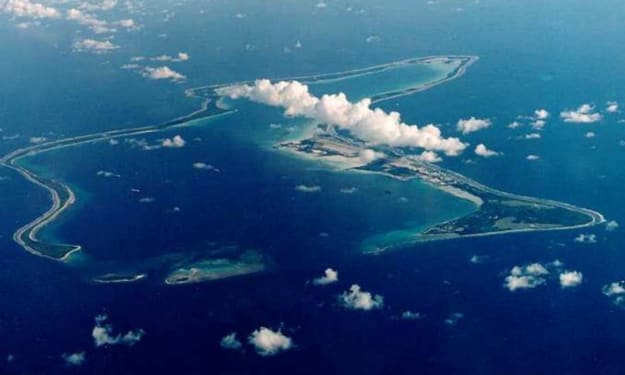
Former U.S. President Donald Trump has criticized the United Kingdom’s decision to hand over sovereignty of the Chagos Islands to Mauritius, calling it an act of “great stupidity.” This high-profile statement has reignited debates over colonial legacies, geopolitical alliances, and the rights of local communities. While the issue may seem distant to many, it carries significant implications for global politics, regional stability, and the affected communities. The Chagos Islands, a strategically located archipelago in the Indian Ocean, have long been a point of contention between the UK, Mauritius, and the United States, which maintains a military base on Diego Garcia, one of the largest islands. The latest political statements have highlighted not only international disagreements but also how decisions by governments can affect local populations and global perceptions. Why the UK Is Handing Over the Chagos Islands The UK’s decision to transfer sovereignty to Mauritius comes after years of legal challenges and international pressure. The United Nations has repeatedly called for the return of the islands to Mauritius, stating that the previous detachment in 1965 was illegal. The move aims to: Resolve a longstanding international dispute Acknowledge the rights of the Chagossian people, many of whom were forcibly removed from the islands decades ago Comply with international law and UN recommendations For many in Mauritius and the Chagossian diaspora, the transfer represents justice and recognition of their historical grievances. Trump’s Criticism and Its Context Trump described the UK’s decision as “an act of great stupidity,” emphasizing strategic and military concerns. The United States relies on Diego Garcia for one of its key military bases, crucial for operations in the Indian Ocean region and beyond. From Trump’s perspective, the sovereignty transfer could: Complicate U.S. military logistics Create uncertainty over strategic agreements Signal weakness in alliances with close partners like the UK However, critics argue that such statements overlook the rights of the displaced Chagossian communities and the importance of resolving colonial-era injustices. Impact on Local Communities The Chagos Islands have a unique human story. In the 1960s and 1970s, the indigenous Chagossian population was forcibly removed to make way for a U.S. military base. Families were relocated to Mauritius, the Seychelles, and other areas, often under harsh conditions. The sovereignty transfer could: Support efforts for Chagossians to return home Enable compensation and recognition of historical wrongs Promote cultural and community restoration Community advocates argue that international legal decisions should prioritize the welfare and rights of displaced populations, not just geopolitical or strategic interests. Geopolitical Implications The dispute is more than a bilateral issue between the UK and Mauritius. It has global political ramifications, including: U.S.-UK relations: While the UK maintains a strategic alliance with the U.S., the sovereignty decision may raise tensions over military operations. Indian Ocean stability: The islands are located in a key maritime region, affecting naval operations, trade routes, and regional security. International law precedent: Recognizing Mauritius’ claim reinforces UN rulings on decolonization and territorial sovereignty. For communities that follow global politics, these dynamics highlight how high-level political decisions impact both strategy and society. Media and Public Reaction Trump’s comments have dominated media coverage, sparking debate in international communities and online forums. Public opinion is divided: Supporters of Trump’s viewpoint cite national security concerns and strategic importance. Critics highlight colonial injustices and the need to respect the rights of indigenous populations. Social media discussions reveal growing interest in the balance between military strategy and human rights, showing that global decisions resonate with everyday communities. Legal and Ethical Considerations The transfer of the Chagos Islands raises several legal and ethical issues: Sovereignty and Self-Determination: The Chagossian people’s right to return and their cultural identity must be respected. Colonial History: Addressing past injustices is an ethical obligation for governments involved in colonial-era displacement. Military Agreements: Ensuring strategic stability while honoring international law is a complex balancing act. Legal scholars note that this case could set a precedent for other disputed territories, influencing how communities worldwide perceive justice, sovereignty, and rights. Why This Matters to Communities Even though the Chagos Islands are remote, the controversy touches on community awareness and engagement: Diaspora Communities: Chagossians and Mauritians see this as a historic moment affecting their families and heritage. Global Citizens: People interested in human rights and international law follow such cases to understand justice and accountability. Policy Advocates: NGOs and advocacy groups use this dispute to promote awareness of displacement, sovereignty, and ethical governance. In short, political decisions at the top level ripple down to real people, influencing lives, cultural identity, and community cohesion. Looking Ahead The future of the Chagos Islands will depend on: Implementation of sovereignty transfer: Ensuring legal and diplomatic arrangements are respected. U.S.-UK negotiations: Maintaining strategic interests while addressing human rights. Chagossian return programs: Supporting the restoration of communities affected by displacement. The controversy is a reminder that politics and community welfare are intertwined, and decisions made in boardrooms or government offices can have lasting effects on populations far from the center of power. The Takeaway Trump’s statement about the Chagos Islands sovereignty highlights the tension between geopolitical strategy and community justice. While international relations and military interests are important, the voices of the displaced Chagossian community cannot be ignored. For communities following global politics, the case demonstrates how: International decisions affect local populations Human rights and sovereignty are key considerations Awareness and advocacy by communities can influence global policy As debates continue, the story of the Chagos Islands serves as a reminder that political and strategic choices have human consequences, and that protecting community rights is as vital as maintaining alliances.
By Muhammad Hassan7 days ago in Earth
From Seal Meat to Ice Sheets: A Century of Reporting From Antarctica
Antarctica—the frozen southernmost continent—has long fascinated scientists, explorers, and journalists alike. From the earliest expeditions in the late 19th and early 20th centuries to modern climate research missions, journalists have chronicled Antarctica’s extremes, documenting both its human stories and its environmental mysteries. Over the past century, reporting from this remote and forbidding landscape has evolved dramatically, reflecting changing societal interests, technological advances, and growing concerns about climate change.
By Muhammad Hassan5 days ago in Earth
Affection and Healing for Yourself
During the night of the last quarter moon, I gathered my ritual supplies. I carefully handled the chunk of black tourmaline that would protect me from your overall negative and narcissistic energy. I carefully walked the house with my stick of selenite in hand, asking the universe to cleanse our working space.
By Alisha Wilkins ✒️🦋🖋️7 days ago in Fiction



Comments
There are no comments for this story
Be the first to respond and start the conversation.