
USDA Ordered To Remove Climate Change From Internet
Because if we can't read it, it must be fake?


The U.S. Department of Agriculture (USDA) is quietly scrubbing its websites of climate change references, raising concerns about the future of climate-focused agricultural programs. According to an internal email obtained by Politico, agency employees have been directed to delete landing pages discussing climate change and to document any remaining references for further review. While the department hasn’t made an official statement explaining the decision, the move signals a potential shift in priorities under the new administration.
Climate-Smart Commodities Program Caught in the Crosshairs
One of the now-inaccessible pages belonged to the Partnerships for Climate-Smart Commodities, a program designed to provide payments to organizations helping farmers implement more sustainable practices. The Biden administration created the initiative with the goal of supporting agricultural methods that not only benefit the environment but also boost farmers' incomes.
But with the USDA now systematically removing climate-related content, the program’s future is uncertain. If climate change is no longer a publicly acknowledged priority for the department, what does that mean for ongoing and future sustainability efforts?
Funding in Limbo
Before leaving office, Robert Bonnie, who served as undersecretary for farm production and conservation in the Biden administration, warned that attempts to halt these payments wouldn’t go unnoticed. He suggested that commodity groups participating in the partnerships would likely fight back if the government tried to stop the money from flowing.
And they have good reason to. The program was backed by $3.1 billion in funding, sourced from the Commodity Credit Corporation (CCC)—a financial arm of the USDA that allows the agency to support agricultural initiatives using a line of credit with the Treasury. Agriculture Secretary Tom Vilsack utilized this funding mechanism to get the program off the ground, ensuring that farmers and industry groups had financial incentives to adopt climate-conscious practices.
Right now, the remaining funds are sitting in an account within the USDA’s Natural Resources Conservation Service, waiting to be paid out on a quarterly basis. But with the current administration taking steps to erase climate-related language from its websites, the question remains: Will that money still go where it was intended, or is this the first step toward dismantling the program altogether?
A Political Battle Brewing?
This isn’t just about website maintenance—it’s a potential policy shift with real financial and environmental consequences. The decision to remove climate change references is a clear indication that the new administration may not be prioritizing sustainability initiatives in the same way as its predecessor.
If the USDA starts rolling back funding for the Partnerships for Climate-Smart Commodities, expect pushback—not just from environmental advocates, but from farmers and industry groups that have already bought into the program. Many of these organizations have already made investments and adjusted their business models in anticipation of receiving payments. Losing that funding could leave them in a tough spot financially.
Furthermore, the move could have ripple effects beyond just this program. The USDA has long played a key role in helping the agriculture sector adapt to climate-related challenges like droughts, flooding, and shifting growing seasons. If climate change is being pushed to the sidelines, what does that mean for future research, disaster preparedness efforts, and conservation programs?
Why It Matters
Agriculture is one of the industries most vulnerable to climate change. Extreme weather events, unpredictable rainfall, and rising temperatures all threaten crop yields and livestock health. That’s why programs like the Partnerships for Climate-Smart Commodities exist in the first place—to help farmers navigate these challenges while also making their operations more sustainable in the long run.
By removing references to climate change from its websites and reviewing existing mentions, the USDA is signaling a potential departure from these priorities. Whether that translates into cuts to funding, changes in policy, or simply a quieter, less public approach remains to be seen.
For now, all eyes are on the department to see what comes next. Will the administration continue funding sustainability efforts while just avoiding the phrase “climate change”? Or will this mark a broader shift away from climate-focused agriculture policies?
Farmers, industry leaders, and environmental advocates will not ignore these changes, and the political battle over climate policy in agriculture is far from over.
About the Creator
Rootbound Homestead
Rootbound Homestead is a community bound by roots. Leaving our old comfy life in FL to move to NY to start living cleaner, more simply, and with purpose. Garden hacks, tips and tricks, natural medicine, healing, animals, recipes and more!
Keep reading
More stories from Rootbound Homestead and writers in Earth and other communities.
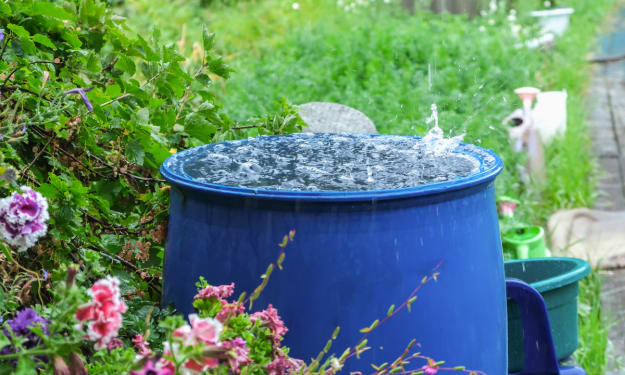
Is Rainwater Safe to Drink? Purification Methods You Need To Know For Free Water
Whether you're considering collecting rainwater for disaster readiness or to help you get free water for life, there are several things you should consider before you sip that first drink. Though free of chemicals and pollution, rainwater seems to be the purest gift from nature; reality says otherwise.
By Rootbound Homesteadabout a year ago in Earth
This Is What I Do When People Throw Rocks At Me
Rocks have been thrown at me for a greater part of my life. Some have been small and missed hitting me. When people don't get a reaction from me, they throw bigger rocks with a better aim. Many have been hurled at me with precision over the years. For a long time, I thought my only options were to dodge them or be crushed by them.
By Margaret Minnicks7 days ago in Confessions


Comments
There are no comments for this story
Be the first to respond and start the conversation.