
Unveiling the Mysteries of Black Holes: What We Know and What We Don't.
Exploring the Enigmatic World of Black Holes: A Comprehensive Guide to Our Current Understanding and Ongoing Research.
Introduction:
Black holes are one of the most enigmatic and mysterious objects in the universe. These objects are so massive and dense that their gravitational pull is so strong that not even light can escape from it. In this article, we will delve into what we know and what we don't know about black holes.
What are Black Holes?
Black holes are formed when a massive star dies and collapses in on itself. The gravitational force is so strong that it pulls everything, including light, into it, and the singularity is formed at the center of the black hole. There are three types of black holes - stellar, intermediate, and supermassive black holes.
Stellar Black Holes:
Stellar black holes are formed when a massive star dies and collapses in on itself. These black holes are relatively small, with a mass of a few times that of our sun, but their gravitational pull is so strong that not even light can escape.
What Happens Inside a Black Hole:
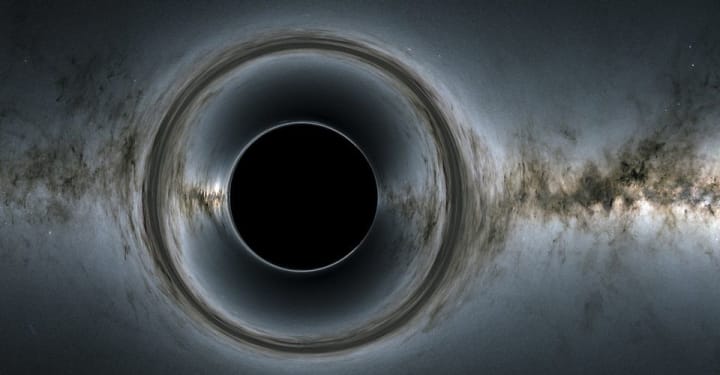
While we can't directly observe what happens inside a black hole, scientists have some theories based on the laws of physics. It is believed that as matter gets pulled into a black hole, it gets compressed and heated to extreme temperatures, causing it to emit radiation. As the matter gets closer to the singularity, it gets stretched and pulled apart, forming what is known as the "spaghettification" effect.
Black Holes and Time:
The intense gravitational pull of black holes causes time to slow down, according to the theory of relativity. This means that time moves slower for an observer near a black hole compared to someone far away. In fact, time near a black hole can come to a complete stop at the event horizon, the point of no return.
Black Holes and Dark Matter:
While black holes don't emit any light themselves, they can be used to indirectly detect dark matter. Dark matter is a form of matter that doesn't interact with light or other electromagnetic radiation, making it difficult to detect. However, if dark matter particles get caught in the gravitational pull of a black hole, they can produce gamma rays that can be detected by telescopes.
Black Holes and Gravitational Waves:
When two black holes merge, they produce gravitational waves, ripples in the fabric of spacetime that can be detected by instruments like the Laser Interferometer Gravitational-Wave Observatory (LIGO). Studying these waves can provide valuable insights into the properties of black holes, such as their mass and spin.
Intermediate Black Holes:
Intermediate black holes are believed to be formed by the merging of multiple stellar black holes. These black holes have a mass that ranges from 100 to 10,000 times that of our sun.
Supermassive Black Holes:
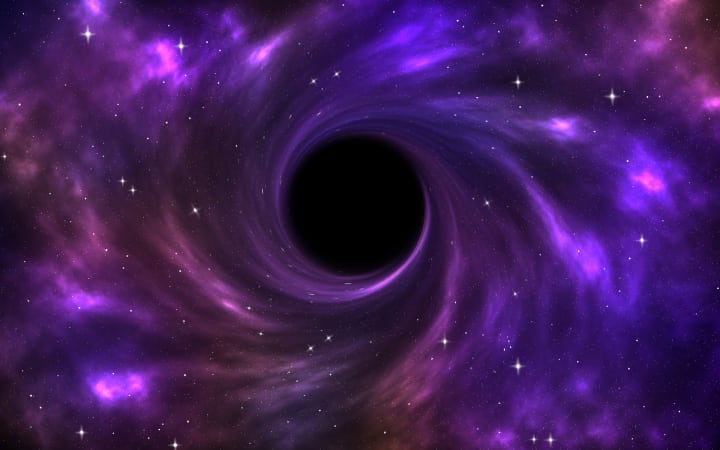
Supermassive black holes are believed to be formed by the merging of multiple intermediate black holes. These black holes have a mass that ranges from a million to a billion times that of our sun and are found at the center of most galaxies.
Black Hole Observations:
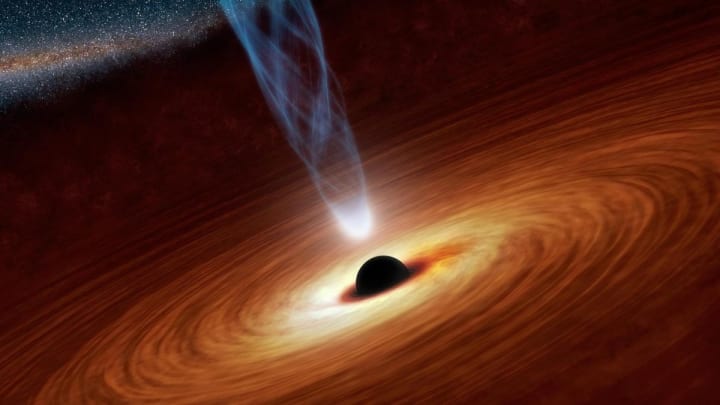
One of the biggest challenges in studying black holes is that they are invisible. However, scientists can observe the effects of black holes on their surroundings. For example, when a star gets too close to a black hole, the intense gravitational pull causes it to be stretched and pulled apart, emitting radiation that can be detected by telescopes.
The Event Horizon Telescope:
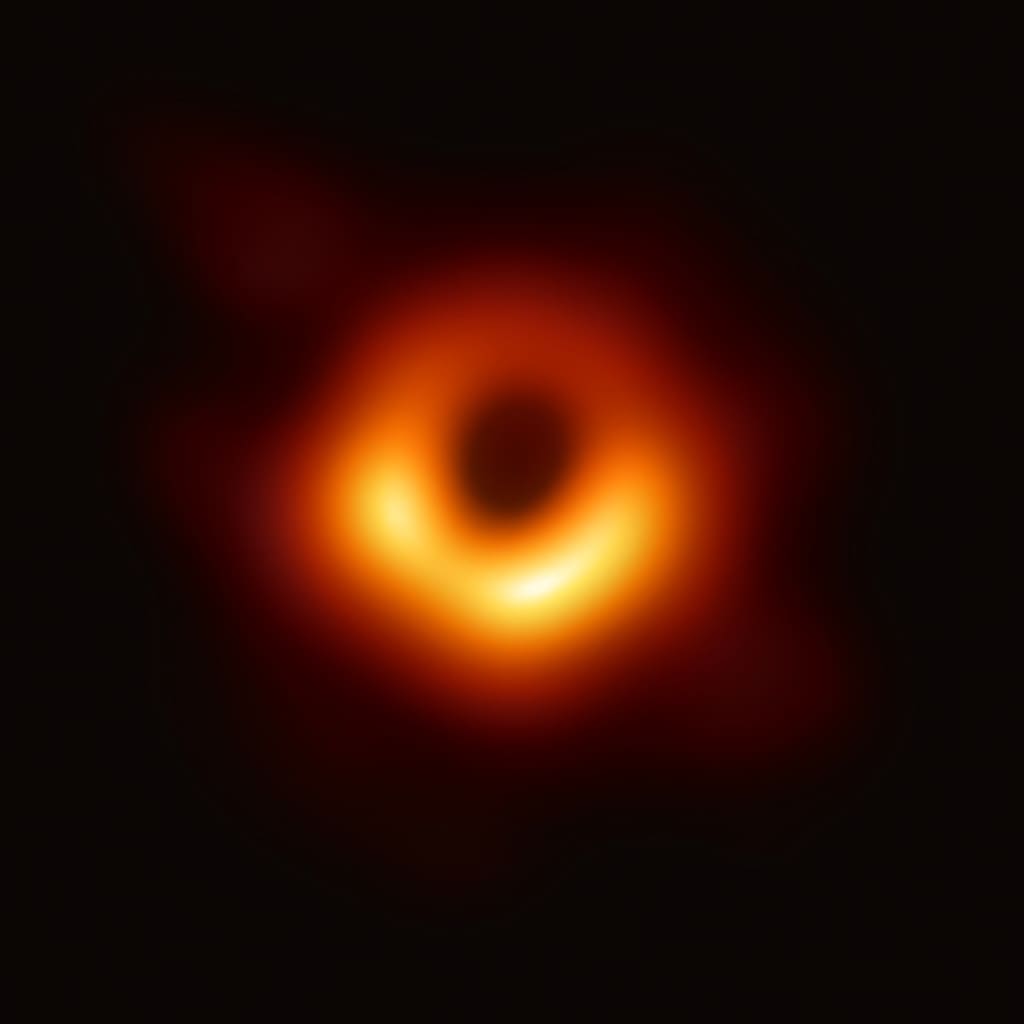
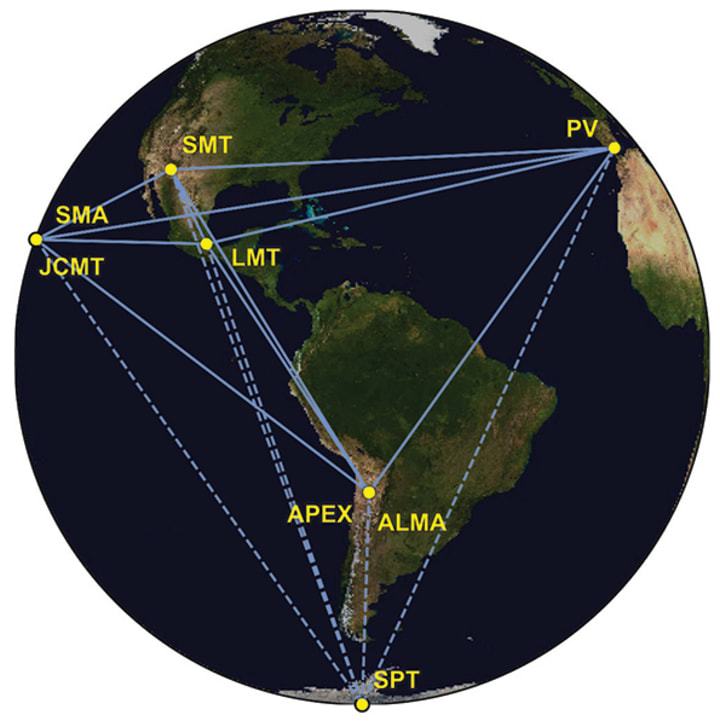
In April 2019, scientists released the first-ever image of a black hole captured by the Event Horizon Telescope. This telescope used a technique called interferometry to combine data from telescopes all over the world to create a virtual telescope the size of the Earth.
The Information Paradox:
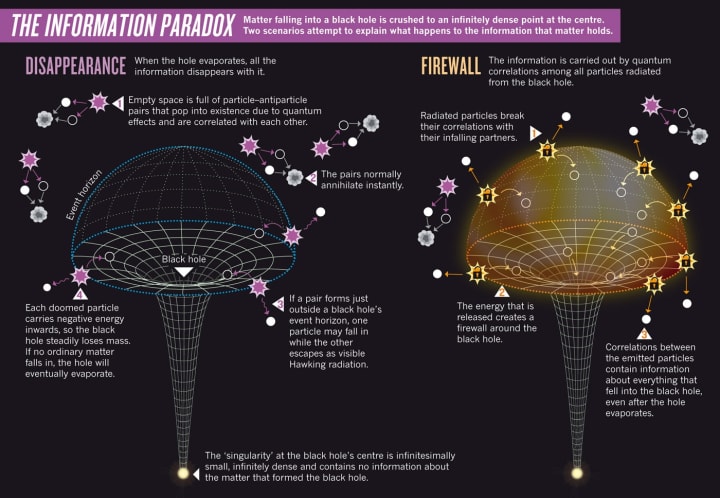
One of the biggest mysteries of black holes is the information paradox. According to the laws of physics, information cannot be destroyed, but when something falls into a black hole, it is lost forever. This has led to a long-standing debate among physicists about the nature of black holes.
Future Research on Black Holes:
While we have made significant progress in our understanding of black holes, there is still much to learn. Future research will focus on studying the properties of black holes in greater detail, including their spin, magnetic fields, and accretion disks. There are also ongoing efforts to detect intermediate and supermassive black holes, as well as to study the behavior of black holes in different environments, such as in binary star systems or at the centers of galaxies.
Conclusion:
Black holes remain one of the most fascinating and mysterious objects in the universe. While we have made significant progress in our understanding of black holes, there is still much we don't know. As scientists continue to study these enigmatic objects, we can expect to gain more insights into the mysteries of the universe.
About the Creator
Stock Market Today: Nasdaq Futures Rise; Oil Skids After Trump Dials Down Iran Tension
If you’ve been following the markets this week, you’ve probably noticed how sensitive traders are to geopolitical headlines. On Thursday, Nasdaq futures rose, while oil prices dropped after U.S. President Donald Trump made remarks that dialed down fears of immediate military escalation with Iran. It’s a classic example of how news can move multiple markets at once — tech stocks climbing while commodities react in the opposite direction. Nasdaq Futures Bounce Back Technology and growth-focused stocks led the recovery in futures trading. Nasdaq futures climbed, signaling that investors are regaining confidence after recent volatility. Many traders have been cautious, with some taking profits from high-flying tech names, but today’s rebound shows that market optimism is returning. Corporate earnings are a big factor here. Several tech giants, including semiconductor and software companies, have beaten analyst expectations in recent weeks. These results support longer-term growth narratives, giving investors confidence that the tech sector can continue to outperform even amid economic uncertainty. For anyone watching the markets, this is a reminder: futures are forward-looking indicators. When traders see signs of stabilization — like reduced geopolitical tension or strong earnings — markets often react positively before the official trading session even begins. Oil Prices Fall Amid Eased Tensions On the flip side, oil prices skidded. The energy market had been pricing in potential supply disruptions due to the tension with Iran, particularly in critical regions like the Strait of Hormuz. But after Trump’s comments, traders interpreted a lower risk of military conflict, and crude futures dropped sharply. West Texas Intermediate (WTI) and Brent crude both saw declines of around 4–5%, as investors adjusted their positions. This shows how geopolitical risk premiums can inflate commodity prices — and how quickly they can disappear once the perceived threat diminishes. Lower oil prices are a double-edged sword. On one hand, cheaper fuel eases costs for consumers and businesses. On the other, energy companies and oil-exporting nations may face pressure on revenue and profits if prices remain soft. Why Geopolitics Moves Markets The Middle East continues to be a major driver of global market sentiment. Even the possibility of conflict in oil-rich regions can make investors nervous, sending equities lower and commodities higher. Conversely, statements that calm these fears can produce quick rebounds in risk assets like stocks and a decline in commodities like oil. This week’s developments show just how reactive the markets have become. A single remark from a world leader — in this case, Trump — can shift risk perception and trigger immediate moves across multiple asset classes. Earnings and Economic Data Still Key While geopolitical headlines dominate daily moves, corporate earnings and economic data remain critical for long-term market trends. Financial giants like Morgan Stanley recently reported results that beat expectations, boosting their stock prices and reinforcing positive sentiment in the sector. Investors are paying close attention to these fundamentals. Earnings reports and macroeconomic indicators provide insight into underlying trends, helping traders separate short-term volatility from sustainable growth. What Investors Should Watch For stock investors: The rebound in Nasdaq futures suggests that growth and technology stocks are finding support, but volatility is still high. Active risk management and portfolio diversification remain essential. For energy markets: Today’s slump in oil prices highlights how commodities react to geopolitical sentiment. Traders should watch for developments in the Middle East, as any escalation could reverse the decline in prices almost immediately. For global markets overall: Investors must balance multiple narratives — geopolitical events, corporate earnings, economic data, and interest rate expectations. This interplay shapes risk appetite and influences how capital flows across sectors and regions. The Takeaway Today’s market action illustrates a broader theme: markets are highly sensitive to shifts in risk perception. When geopolitical tension eases, equities tend to rise, and risk-sensitive commodities like oil fall. But when threats reappear, sentiment can flip, reminding investors that global markets are dynamic and interconnected. This combination of Nasdaq gains and falling oil prices isn’t just about numbers — it’s about investor psychology, risk management, and the speed at which news travels in our global economy. The lesson is clear: staying informed and flexible is more important than ever for anyone participating in today’s markets.
By Muhammad Hassan4 days ago in Earth
1600 People Reported Dead and 12 Homes Collapsed After a 4.7 Earthquake Struck Israe
**1600 People Reported Dead and 12 Homes Collapsed After a 4.2 Earthquake Struck Israel** Reports circulating after a 4.2-magnitude earthquake struck parts of Israel have caused widespread confusion and alarm, particularly claims stating that 1600 people were killed and 12 homes collapsed as a result of the tremor. The earthquake itself was felt across several regions, especially in the south near the Dead Sea and the Negev, prompting emergency alerts and heightened public concern. However, the scale of the reported casualties has raised serious questions, given the relatively moderate magnitude of the quake.
By America today 5 days ago in Earth


Comments
There are no comments for this story
Be the first to respond and start the conversation.