


The state of Vermont boasts one of the most environmentally friendly power grids in the United States, with two thirds of its electricity being derived from renewable energy sources such as solar, wind, and hydroelectric plants. The current objective is to increase this figure to 75% by the year 2032. It was therefore surprising when a new solar project in the region was recently denied, given the area's potential for renewable energy despite its low population. The existing power plants, in conjunction with a regular power supply from Canada, already contribute approximately 450 megawatts of electricity to the grid. However, the grid's capacity is limited to around 450 megawatts, rendering it incapable of accommodating any additional power generated in the area.
In order to achieve a more environmentally sustainable future, it is imperative that we construct additional renewable energy facilities. However, it is equally important to expand the necessary infrastructure to effectively utilize this electricity. Typically, large-scale power plants are situated in areas with high population densities. For instance, in Washington, DC, the majority of electricity is sourced from neighboring states' power plants, which predominantly rely on nuclear and natural gas. The electricity generated by these plants is transmitted via high-voltage transmission lines to a substation, where it is then distributed through smaller, lower-powered lines to individual households.
Similar to Vermont, the District of Columbia also intends to adopt environmentally sustainable practices. The objective is to achieve 100% renewable energy sources for electricity generation by the year 2032. This is in line with a nationwide goal set by President Biden to reduce emissions in the United States by 50% by 2030, with almost half of the country's power supply derived from solar energy by 2050. This entails replacing natural gas plants with wind turbines and coal plants with solar farms. In addition, reducing emissions involves transitioning from gas-powered vehicles to electric cars, utilizing electric heat pumps for building heating instead of natural gas, and cooking with electric stoves. Essentially, there will be a significant increase in electricity consumption, ranging from 40-100% more than current levels.
Returning to the map, it is imperative to note that the replacement of polluting energy plants cannot be achieved by simply erecting wind turbines in their stead. The location of these turbines must be carefully considered, taking into account the availability of wind resources. Princeton has developed a model that identifies potential sites for wind and solar projects across the continental United States. With the exception of offshore wind farms, the majority of these sites are situated in the central region of the country. Furthermore, a separate study has revealed that the states with the greatest wind and solar potential would only account for 30% of the electricity demand, despite their abundance of resources.
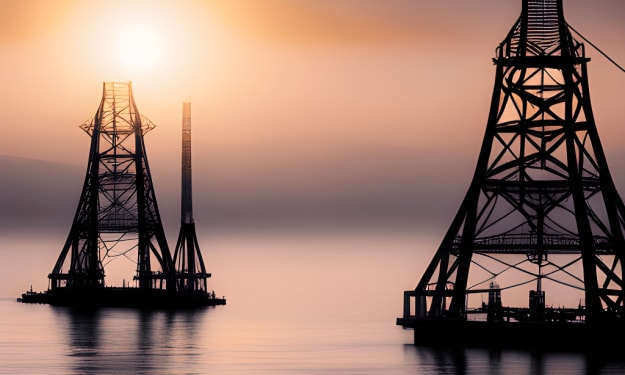
In a future that is decarbonized, it will be imperative to transport electricity over long distances. This will require the movement of a significant amount of electricity, which can be facilitated through the use of high-voltage transmission lines. The infrastructure for such transmission lines is of utmost importance, as it serves as the key component for the successful implementation of a decarbonized future. Currently, the United States possesses high-voltage transmission lines in the areas where they are most needed. However, according to the Princeton model, new transmission lines will need to be constructed in order to accommodate the use of renewable energy sources exclusively by the year 2050.
The process at hand is not a straightforward one. Each wire within a household is coated in plastic, as a precautionary measure to prevent the occurrence of two electrical lines coming into close proximity. However, high-voltage power lines are devoid of such plastic coating, as they are insulated by the surrounding air. The safety of these lines is contingent upon their being kept at a sufficient distance from one another, as well as from any other objects, including trees. In fact, some of the wildfires that have ravaged California were initiated by trees making contact with these large high-voltage transmission lines. As we extend the distance between the energy source and the energy demand, it will be necessary to increase the number of these high-voltage lines.
In order to enhance their power capacity, it will be necessary to expand numerous existing cables. This is because a larger cable diameter allows for a greater amount of power to be transmitted. Additionally, the increased size of these cables necessitates a greater distance between them for insulation purposes, as well as a higher elevation during construction. Although the construction of these larger cables can be challenging due to their size and the amount of private land they must traverse, it is important to proactively construct transmission lines in areas where renewable resources are known to be abundant. By building a more interconnected, high-voltage grid, the United States can achieve a more sustainable energy infrastructure. This will require a national approach to building more transmission lines, enabling solar power generated in Arizona to power Chicago during daylight hours, while wind power generated in Illinois can power Phoenix at night.
Princeton has determined that an investment of approximately $320 billion will be required over the next decade, which is nearly equivalent to the investments made in solar and wind plants. The United States is presently on course to derive 42% of its energy from renewable sources by 2050. However, the mere production of cleaner electricity is insufficient. The transportation of energy is a crucial aspect of the clean energy future. Without it, decarbonization will not be feasible.
About the Creator
Hanif Salahudin
Truth and Knowledge are worth sharing. Please enjoy reading my content.
Keep reading
More stories from Hanif Salahudin and writers in Earth and other communities.
Green Energy Network Proposition
The transition from fossil fuels to renewable energy, commonly referred to as the Great Energy Transition, encompasses a multitude of dimensions. These include the creation of new job opportunities, the emergence of electric vehicles, the use of biofuelled planes, the replacement of gas boilers with more sustainable alternatives, and the implementation of triple glazing. However, for those residing in rural communities near the idyllic village of Beauly, the transition entails the installation of pylons and cables in four directions, the construction of a vast new substation, and the incessant buzz that disrupts their sleep. These individuals find themselves at the intersection of a vast network of infrastructure that is being planned to transport power from its source to the central Highlands, and ultimately to the homes, businesses, hospitals, and schools located in the southern regions where the majority of demand exists.
By Hanif Salahudin3 years ago in Earth
Why Didn't Anyone Tell Us
Men, move along. This is not for you. This is for the women. I was forty-five when I began menopause. It is pretty young for that to be going on in a woman’s life, but I had undiagnosed PCOS, my entire life. Thank you to all the gynecologists I had seen my entire life. That in itself should encourage women to keep seeking second opinions, especially when you are not getting correct answers or any at all.
By Alexandra Grant4 days ago in Humans


Comments
There are no comments for this story
Be the first to respond and start the conversation.