
Understanding the Makeup and Properties of Common Soil
Beneath Our Feet
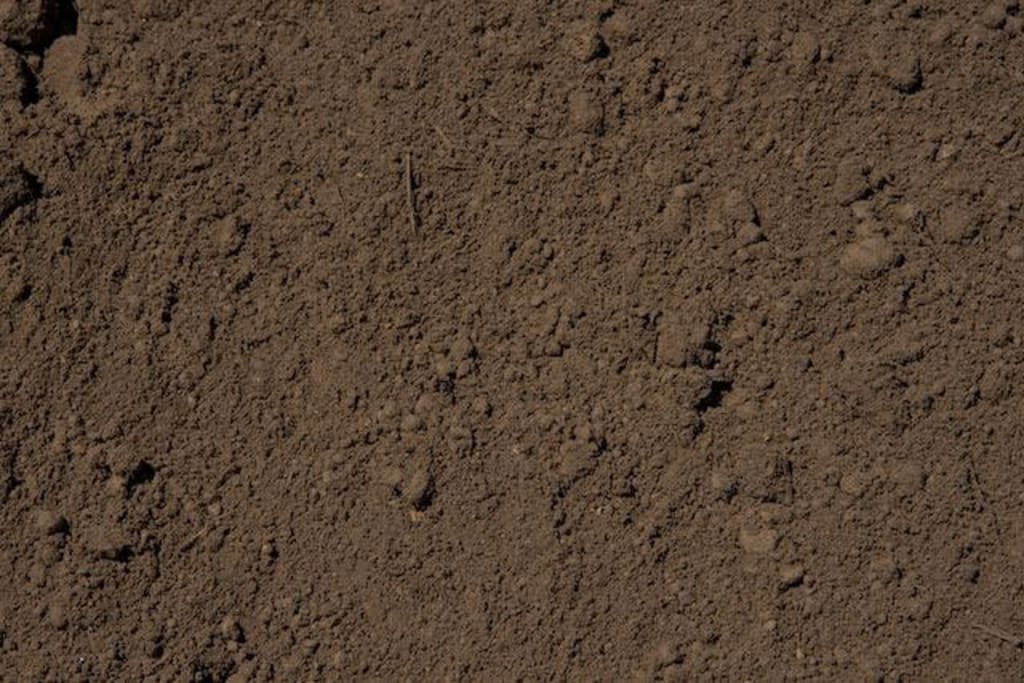
The ground we walk on holds a remarkable secret – a world of complexity and life that supports the very foundation of terrestrial ecosystems. Common soil, seemingly unremarkable at first glance, is a dynamic matrix of minerals, organic matter, water, air, and an intricate web of living organisms. Exploring the makeup and properties of this hidden realm unveils the fascinating interactions that drive plant growth, nutrient cycling, and the health of our planet. In this article we also going to know about can we use normal soil in an Aquarium.
The Essential Ingredients: Mineral Composition
At the heart of common soil lies a mix of mineral particles derived from the gradual weathering of rocks over millennia. These particles come in various sizes and shapes, with sand, silt, and clay being the primary categories. Their proportions define the soil's texture, impacting water retention, drainage, and aeration. Sand particles, larger and coarser, allow water to pass through quickly but hold fewer nutrients. Silt particles are intermediate in size, enhancing water retention and nutrient availability. Clay particles, the smallest and finest, have a high capacity to hold water and nutrients.
The interplay between these particles forms the foundation of soil structure. A balanced blend of sand, silt, and clay creates loam soil – a soil type favored by gardeners and farmers due to its ideal combination of water-holding capacity, drainage, and nutrient availability.
The Living Web: Soil Microorganisms and Macrofauna
Beneath the surface, an intricate web of life thrives. Microorganisms like bacteria, fungi, algae, and protozoa populate the soil, playing a vital role in nutrient cycling, organic matter decomposition, and disease suppression. These microscopic organisms break down complex organic compounds into simpler forms that plants can absorb. They form symbiotic relationships with plants, aiding in nutrient uptake while receiving sugars and other compounds in return.
Macrofauna such as earthworms, insects, and arachnids also inhabit the soil. Earthworms, for instance, are ecosystem engineers that contribute to soil health by burrowing and mixing organic matter with mineral particles. This activity improves soil structure, increases aeration, and enhances water infiltration.
Organic Matter: Fuel for Life
A key component of common soil is organic matter – the decaying remains of plants, animals, and microorganisms. Organic matter enriches the soil by releasing nutrients as it decomposes, creating a fertile environment for plant growth. It also improves soil structure, creating aggregates that prevent compaction and erosion. These aggregates create pore spaces within the soil, allowing for water movement and root penetration.
Furthermore, organic matter is a food source for soil organisms, sustaining the complex web of life beneath the surface. The decomposition process is influenced by environmental factors such as temperature, moisture, and microbial activity.
Water and Air: Balancing Act
Water and air are two critical factors that interact within the soil, directly affecting its properties and the life it supports. The spaces between soil particles are known as pore spaces. These spaces are crucial, as they allow for the movement of water and air. Adequate water content is essential for plant hydration and nutrient transport, while air-filled pores facilitate root respiration and the survival of soil organisms.
The balance between water and air is dynamic and influenced by factors such as soil texture, compaction, and slope. Soil that is too compacted can limit water infiltration and air movement, leading to poor drainage and root suffocation. Conversely, overly sandy soil can drain too quickly, leaving plants thirsty and nutrients washed away. Striking the right balance is essential for sustaining healthy vegetation and soil life.
pH and Nutrient Availability: The Chemical Orchestra
Soil pH, a measure of its acidity or alkalinity, has a profound impact on nutrient availability and biological activity. Common soil often falls within a neutral to slightly acidic range, which supports optimal nutrient uptake by plants. Extremes in pH can lock up essential nutrients, making them unavailable to plants.
The pH level also influences the activity of soil microorganisms. Some bacteria and fungi thrive in more acidic conditions, while others prefer neutrality. Balancing pH is crucial for maintaining a diverse microbial community and efficient nutrient cycling.
Conclusion
Common soil, often taken for granted, is an intricate and vibrant ecosystem that shapes the vitality of our planet. Its composition, influenced by minerals, organic matter, water, air, and living organisms, plays a central role in the health of terrestrial ecosystems. Understanding the properties and interactions of soil components illuminates the delicate balance that sustains plant growth, nutrient cycling, and environmental stability.
So, the next time you stand on solid ground, take a moment to appreciate the rich complexity beneath your feet. Common soil, a silent hero of the natural world, deserves our attention and care as we strive to nurture its health and harness its potential to support life in all its forms.
About the Creator
Keep reading
More stories from Kevin Smith and writers in Earth and other communities.
The Therapeutic Power of Fish Tanks
In our fast-paced and increasingly digital world, finding moments of tranquility and solace has become a valuable pursuit. Amidst the chaos and noise, an unexpected source of calm and relaxation emerges – fish tanks. Beyond their aesthetic appeal, fish tanks have gained recognition for their remarkable therapeutic benefits. The gentle movements of fish, the soothing sound of bubbling water, and the serene underwater landscapes create a multisensory experience that has a profound impact on our well-being. In this article, we also going to learn about the best rocks for aquarium in 2023.
By Kevin Smith3 years ago in Earth
Seven Earth-Sized Planets Discovered Beyond Our Solar System
In one of the most exciting breakthroughs in modern astronomy, scientists have discovered a system of seven Earth-sized planets orbiting a distant star. This extraordinary finding has captured global attention because several of these planets exist in the “habitable zone,” where conditions may allow liquid water to exist. The discovery not only expands our understanding of planetary systems but also strengthens the possibility that life might exist beyond our solar system.
By Irshad Abbasi 7 days ago in Earth


Comments
There are no comments for this story
Be the first to respond and start the conversation.