
Understanding the Factors Drivig Climate Change
Population, Growth, Efficiency, and Carbon Footprint
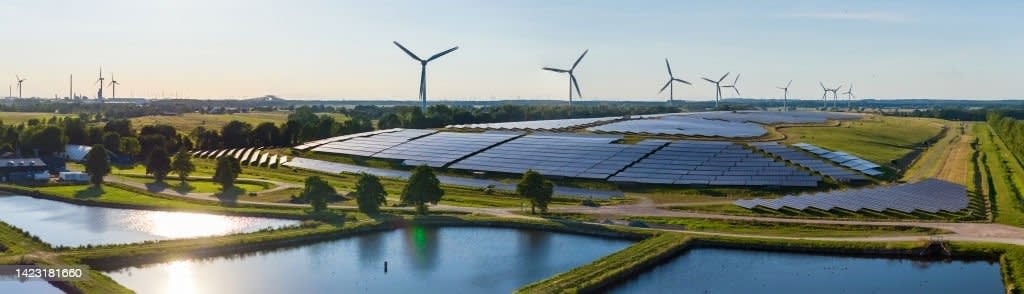
Climate change is a pressing issue that weighs heavily on our minds. It seems that there's never any good news, only increasingly alarming graphs painted in shades of red, fueling our concerns. Each passing year brings new records of extreme heat waves and rapid glacier melting, leaving us in an endless and relentless cycle. For decades, we have recognized that the release of greenhouse gases is the primary driver of rapid climate change.
Shockingly, instead of reducing these emissions, the world saw a staggering 50% increase in CO₂ emissions in 2019 compared to the year 2000. What perplexes us is why it's so challenging to put a stop to these harmful gases. Our collective CO₂ emissions are influenced by four key factors and their intricate relationships: Population Size, Economic Growth, Energy Intensity, and Emissions per Energy Unit produced.
Let's delve into each of these factors to gain a deeper understanding of why worldwide CO₂ emissions continue to rise, as well as explore potential solutions to combat this trend.
Factor 1: Population Size
The equation is simple: more people equal higher CO₂ emissions. As the global population grows, so does the demand for food, housing, and clothing. Moreover, the desire for luxury goods, ranging from iPhones to affordable cheeseburgers, contributes to increased emissions. According to the United Nations, the global population is projected to reach around 11 billion by 2100, a 40% increase from today.
Slowing down this growth requires investing in healthcare, promoting access to contraception, and providing education in developing countries. However, even with substantial investment, it will take several decades for lower birthrates to manifest their effects. Consequently, global CO₂ emissions are expected to rise in the coming decades.
Factor 2: Economic Growth
The correlation between wealth and emissions becomes evident when considering the impact of our lifestyles. The richer and more developed a nation becomes, the higher its emissions. For instance, a single programmer in the United States leaves a larger CO₂ footprint than 50 farmers in Uganda. While economic growth has undeniably led to improved living standards and a significant reduction in extreme poverty worldwide, it has also amplified emissions.
Growth has become an inherent objective across political systems, making it unlikely for rich countries to relinquish this pursuit anytime soon. Developing nations also aspire to achieve economic prosperity, as the end of growth would mean remaining in poverty. Consequently, growth as an economic ideology will persist, fueling the rise of CO₂ emissions.
Factor 3: Energy Intensity
Efficient energy use plays a crucial role in reducing our CO₂ dependency. Varying levels of energy intensity are evident in different parts of the world. For instance, a street food vendor in rural Brazil might rely on coal for cooking, while a counterpart in France uses an induction stove powered by nuclear energy, which is far more efficient. The key lies in improving technology and finding efficient ways to organize our societies.
This can encompass reducing power consumption through AI, embracing the electrification of transportation and industrial sectors, and promoting sustainable concrete production. The possibilities for improvement are vast, and human ingenuity knows no bounds. However, it's important to acknowledge that increasing efficiency alone won't suffice due to three primary reasons.
Firstly, there are direct rebound effects, where increased efficiency leads to increased usage, offsetting the expected reductions in energy consumption. For example, when planes became more fuel-efficient, ticket prices decreased, resulting in more people choosing air travel, ultimately contributing to higher energy use.
Secondly, indirect rebound effects occur when the money saved from improved efficiency is redirected toward other energy-intensive activities. For instance, purchasing a fuel-efficient car may lead to savings on fuel expenses, which could then be spent on vacation travels involving flights, resulting in a net increase in CO₂ emissions.
Lastly, the pursuit of higher efficiency becomes increasingly challenging and costly over time, leading to diminishing returns on investment. Many technologies are already operating at relatively high levels of efficiency, making it harder to achieve significant breakthroughs.
Factor 4: CO₂ Emissions per Energy Unit Used
Our global carbon footprint, represented by the CO₂ released per unit of energy generated, is heavily influenced by the types of fuels we utilize. Fossil fuels, such as coal and oil, contribute significantly more CO₂ emissions compared to cleaner alternatives like solar power. Transitioning away from fossil fuels is a critical step towards mitigating climate change. While it's impractical to shut down coal and oil industries overnight, it's evident that we must take immediate action with the tools and technology available today.
We have the power to make a difference. By extending the lifespan of existing nuclear power plants, cutting subsidies to the fossil fuel industry while redirecting them towards renewable energy sources, implementing carbon pricing mechanisms that escalate annually, and enforcing strict energy efficiency standards, we can expedite the transition away from fossil fuels. Furthermore, investing in research and development to discover innovative solutions will pave the way towards a sustainable future.
In conclusion, understanding the factors driving climate change and identifying practical solutions is crucial to tackle this global challenge. By addressing population growth, balancing economic development with environmental concerns, improving energy efficiency, and reducing our reliance on high-carbon energy sources, we can strive towards a more sustainable and resilient world. It's time to take collective action and prioritize the well-being of our planet for future generations.
About the Creator
Keep reading
More stories from Myke & Amy and writers in Earth and other communities.
Unleashing the Power of Earth
________________________________________ The Earth, our vast and dynamic planet, harbors a fiery core as scorching as the surface of the Sun. It contains immense heat from its birth and the decay of radioactive elements. This energy, trapped beneath the Earth's crust, creates a complex system of rock currents that transport the heat to the surface. Despite appearing solid, our planet's crust is merely a fragile barrier enveloping a colossal force waiting to erupt—supervolcanoes.
By Myke & Amy3 years ago in Earth
UK must double down on renewables as wars drive up energy costs, experts say
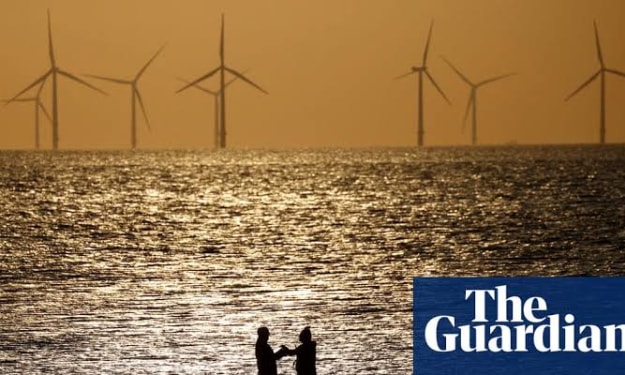
Britain must accelerate its transition toward renewable energy sources as geopolitical conflicts continue to drive global energy prices higher, according to leading energy analysts and climate policy experts. The warning comes as wars and political tensions across key energy-producing regions expose the vulnerability of countries still heavily reliant on imported fossil fuels. In recent years, the United Kingdom has made significant progress expanding renewable energy capacity, particularly in offshore wind and solar power. However, experts argue that the pace of the transition remains insufficient to shield the country from the volatility of international energy markets. Conflicts in the Middle East and Eastern Europe have demonstrated how quickly supply disruptions can translate into rising costs for households and businesses. Energy economists say the lesson from recent global crises is clear: the more dependent a country is on imported oil and gas, the more exposed it becomes to geopolitical shocks. Britain imports a substantial portion of its natural gas and refined fuel products, meaning instability in global supply chains can quickly affect domestic energy bills. During periods of international conflict, oil prices often spike due to fears that shipping routes or production facilities could be disrupted. Even rumors of attacks near key energy chokepoints — such as major pipelines or shipping lanes — can cause markets to react sharply. These fluctuations, analysts say, ultimately filter down to consumers through higher electricity and heating costs. Renewable energy sources offer a potential solution to this problem because they rely on domestic resources such as wind and sunlight rather than imported fuels. Once renewable infrastructure is built, operating costs remain relatively stable because there is no need to purchase fuel on global markets. The United Kingdom already operates some of the world’s largest offshore wind farms, and renewable energy now accounts for a significant share of the country’s electricity generation. Government data indicates that wind power alone has become one of the largest sources of electricity in Britain, particularly during periods of strong weather conditions. Despite this progress, energy specialists argue that further investment is essential. Expanding renewable generation capacity requires not only building more wind and solar farms but also upgrading the national electricity grid. A modernized grid would allow energy produced in remote offshore locations to be transmitted efficiently to cities and industrial centers. Energy storage is another critical piece of the puzzle. Because renewable sources like wind and solar are intermittent, large-scale battery systems or alternative storage technologies are needed to ensure a stable supply of electricity during periods when generation drops. Developing these systems will require both technological innovation and sustained financial investment. Some experts also emphasize the importance of diversifying the country’s renewable portfolio. While offshore wind remains a cornerstone of Britain’s energy strategy, solar power, tidal energy, and green hydrogen could also play important roles in the future energy mix. The government has already announced plans to increase renewable capacity dramatically over the next decade. Officials argue that reducing reliance on fossil fuels will not only strengthen national energy security but also help the country meet its climate targets. However, critics say policy uncertainty and slow planning approvals have sometimes delayed renewable projects. Industry leaders have urged authorities to streamline regulatory processes and provide clearer long-term incentives for investors. For many analysts, the link between energy security and climate policy has never been more obvious. Wars and geopolitical tensions have shown that fossil fuel dependence can create economic vulnerability, while domestically produced renewable energy offers greater stability. “The global energy system is changing,” said one energy policy researcher. “Countries that invest early in renewable infrastructure will be better protected from geopolitical shocks and price spikes.” As international conflicts continue to reshape global energy markets, the debate over Britain’s energy future is likely to intensify. For supporters of renewable power, the current moment represents both a warning and an opportunity — a chance to accelerate the transition toward a more secure and sustainable energy system.
By Fiaz Ahmed 4 days ago in Earth
Early March 2026: 4 Goals Accomplished
It's early March and I've now accomplished my 4th writing goal for the year of 2026. Before diving into the behind-the-scenes of it... why not tell you up front what that accomplishment was? I was published in a 2nd publication for this year. Published in Helix Literary Magazine out of Central Connecticut State University. You can read it for free right now!
By Stephen Kramer Avitabile4 days ago in Writers



Comments
There are no comments for this story
Be the first to respond and start the conversation.