
UK Wildlife Researchers Make Shock Discovery in the Jungles of Sumatra
The new revelation has been heralded as “groundbreaking” and a “remarkable find” by CEO of Big Cat Rescue in Tampa, Florida, Carole Baskin
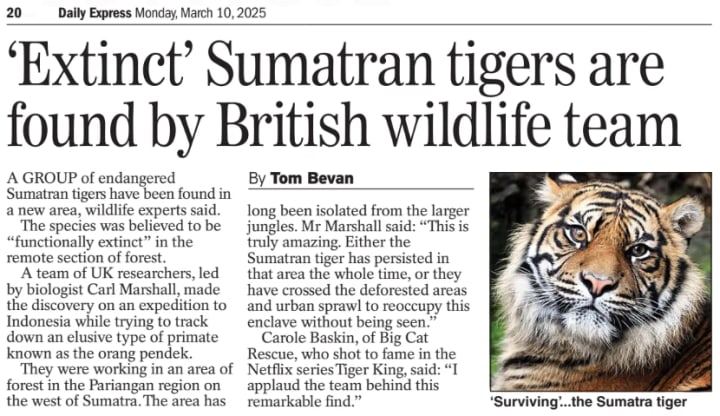
A shock discovery made by a team of UK wildlife researchers on an expedition in the jungles of Indonesia has been heralded as “groundbreaking” and a “remarkable find” by CEO of Big Cat Rescue in Tampa, Florida, Carole Baskin.
The expedition, led by biologist and researcher Carl Marshall, originally set out to Sumatra to investigate reports of an elusive type of primate known as the ‘Orang Pendek’, which is described as being an upright-walking type of ape, approximately 3ft tall - and if real, is likely to be a close relative of modern humans.
The team were working in an area of forest in the Pariangan region on the west of the island, which has long been isolated and cut off from the larger jungles and forests by many decades of deforestation and urban development; the scientific consensus being that the Sumatran tiger was functionally extinct on that part of the island.
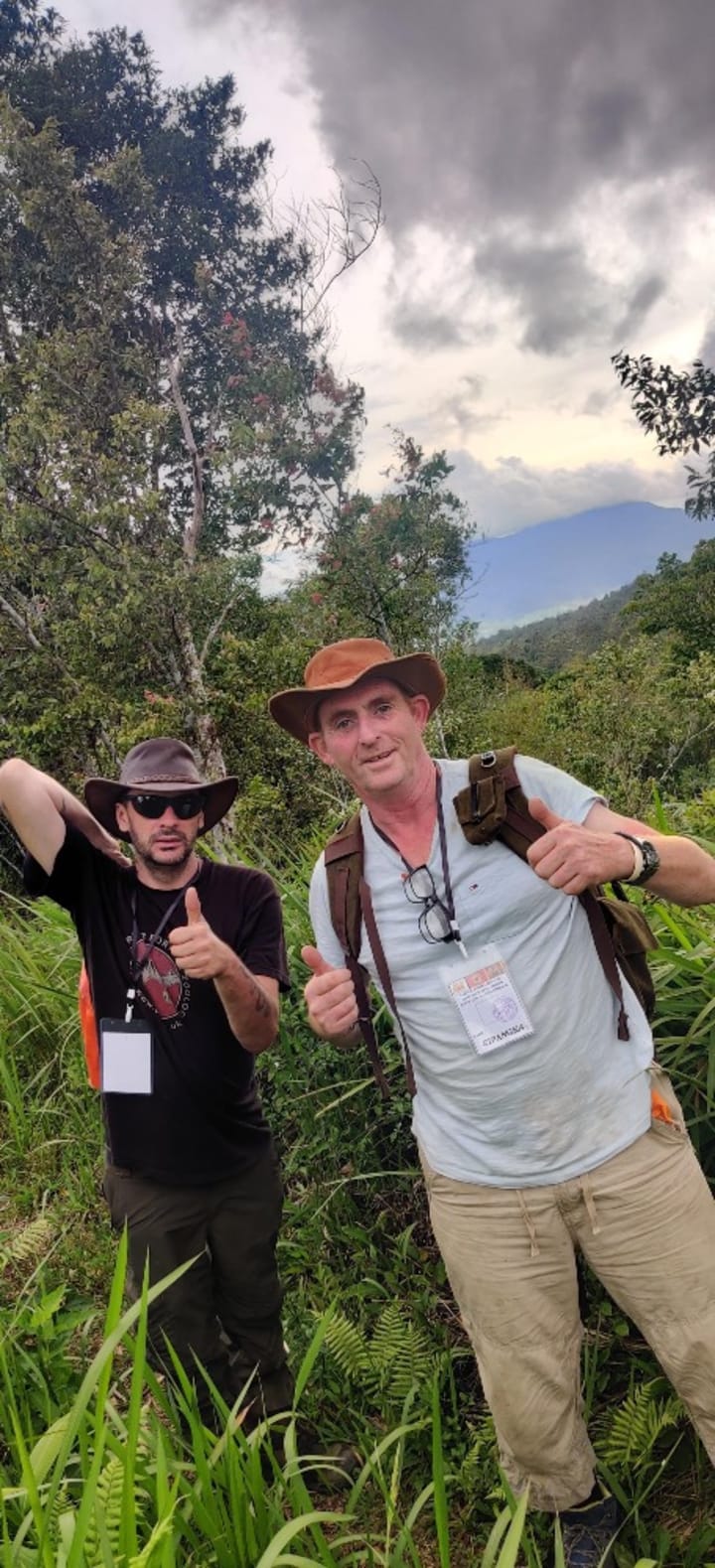
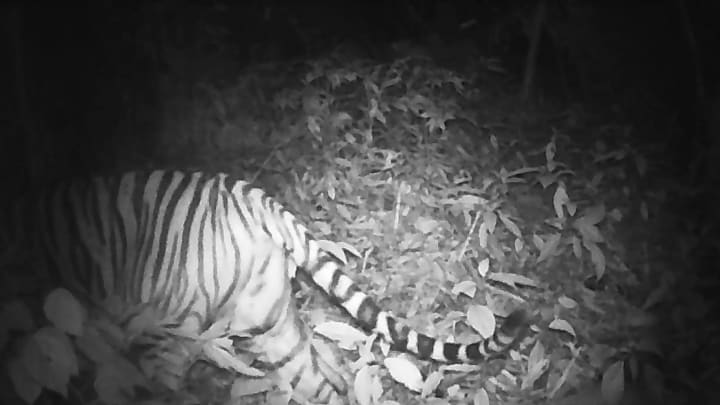
The research team, which also included field researcher and filmmaker Andrew Jackson, primatology expert Richard Freeman, and local guide and researcher Dally Sandradiputra had placed several motion-activated night-vision trail cameras in the forest, with the hope of gathering evidence of the types and varieties of species present. To the team’s surprise one of the cameras recorded photos and a short video of a tiger.
Carole Baskin, CEO of Big Cat Rescue shot to fame in the record-breaking hit Netflix series ‘Tiger King: Murder, Mayhem and Madness’, starring alongside an array of controversial characters including Joe Exotic and Doc Antle. Dedicating her life to the conservation and protection of tigers, Baskin was thrilled by the op-purr-tunity to comment on the discovery, and was full of praise for the expedition team:
“This discovery is a powerful testament to nature’s resilience. It shows that even in seemingly isolated or heavily impacted areas, tigers can find a way to survive—or return—if given the slightest chance. For Sumatran tigers, every remnant forest and every unmonitored corridor matters. This groundbreaking evidence should remind us all that safeguarding these last wild spaces is not only crucial for tigers, but for the entire ecosystem we share. I applaud the team behind this remarkable find, and I hope it will ignite renewed commitment from conservationists, governments, and local communities to protect and connect these habitats, so that big cats can continue to roam free where they belong.”
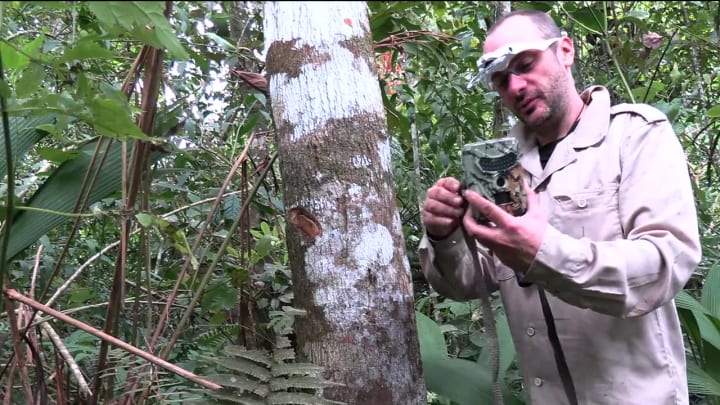
Commenting on this breakthrough revelation, the World Wildlife Fund (WWF) in Indonesia said; "there is no specific tiger study or monitoring project in the Pariangan area of West Sumatra", adding that "Pariangan is almost disconnected from those larger forest blocks". This jungle enclave is almost entirely cut off by deforestation, and for this reason the WWF "have never placed any surveillance cameras to record tigers in that area".
This extraordinary discovery challenges the scientific consensus on the roaming ranges and population distributions of this critically endangered big cat species, of which, there may be as few as only 400 individuals remaining in the wild.
Zoologist and owner of Tropiquaria Zoo in Somerset, Chris Moiser said of the new trail cam video:
“This is really good news, because the Sumatran tiger is critically endangered, but not only is it critically endangered despite the conservation efforts, it’s listed as still decreasing in numbers – so finding any population in an area where it hasn’t been previously recorded is going to be good news”.
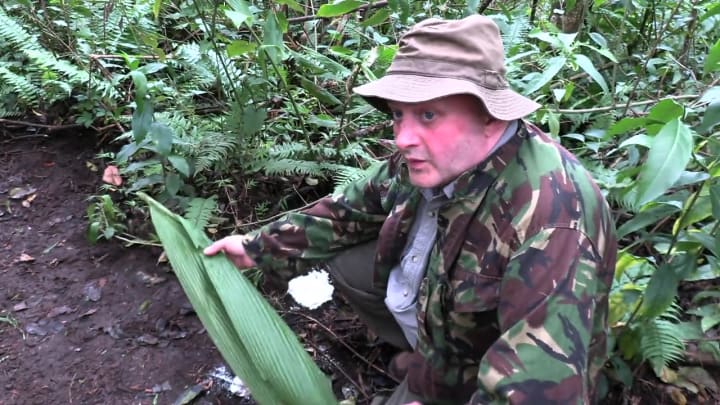
Expedition member, Richard Freeman summed up the find: “A creature that is highly endangered, and was utterly unknown from the area, except in folklore”.
According to expedition leader Carl Marshall, there are two possible explanations: “This is truly amazing, against all odds either the Sumatran tiger has persisted unknown in that area the whole time, or somehow they have crossed the deforested areas and urban sprawl to reoccupy this forest enclave without being seen.”
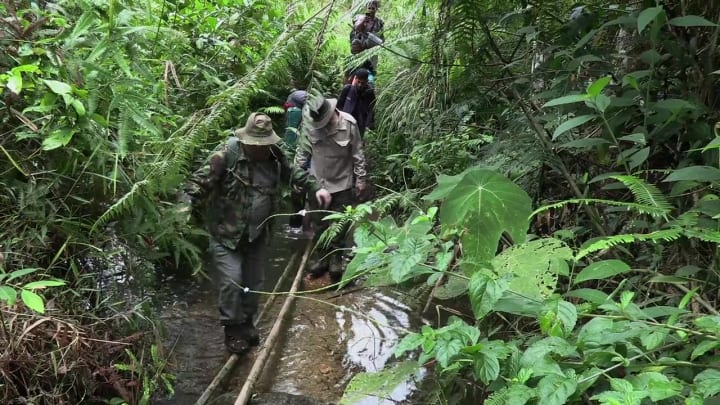
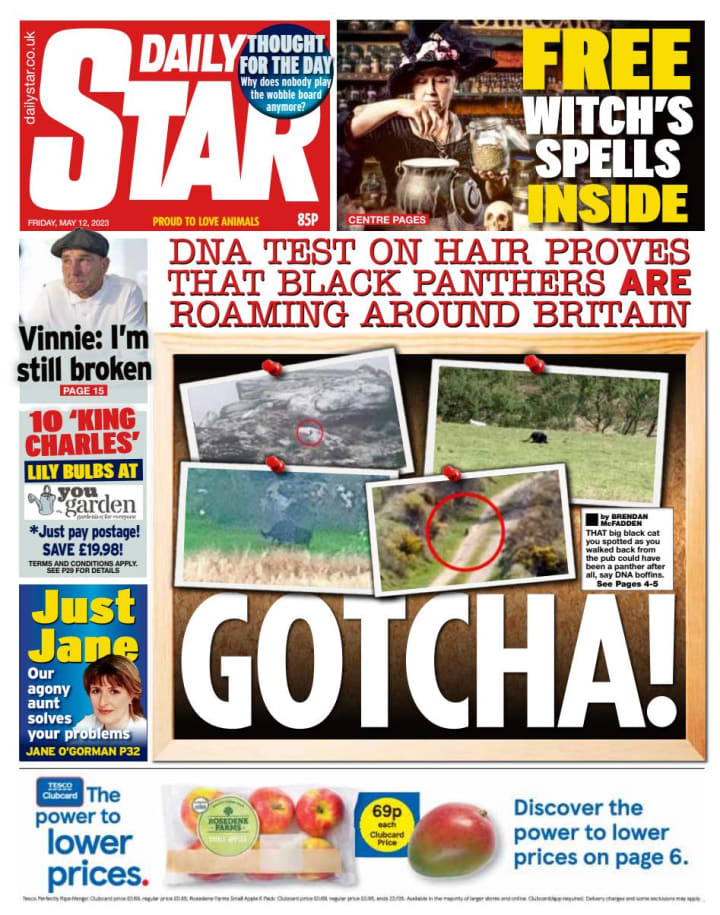
Impressively, this is not Marshall’s first contribution to the research and study of wild big cats, with his previous finds including; leopard DNA at the site of an unusual sheep kill on a farm near the town of Stroud in south-west England; and also animal tracks in the Forest of Dean on the border between England and Wales, which were scientifically verified as coming from a large cat species, and which have been taken by some researchers as possible evidence of the Eurasian Lynx (also presumed functionally extinct across the whole of Britain) still persisting there in some isolated areas.
The team also returned to the UK with compelling evidence supporting the existence of their target species, the Orang Pendek, after finding several unusual animal tracks which some experts believe may have been made by the elusive creature. This cryptid animal, a type of primate, appears to be closely related to modern humans, and has been reported for centuries by locals on the island, but is yet to be recognised formally by the scientific world.

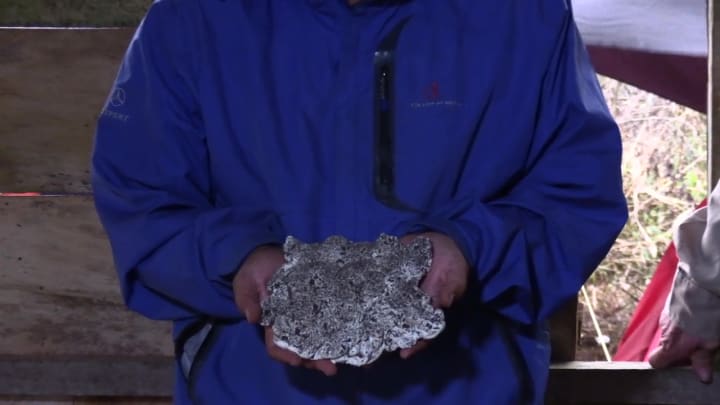
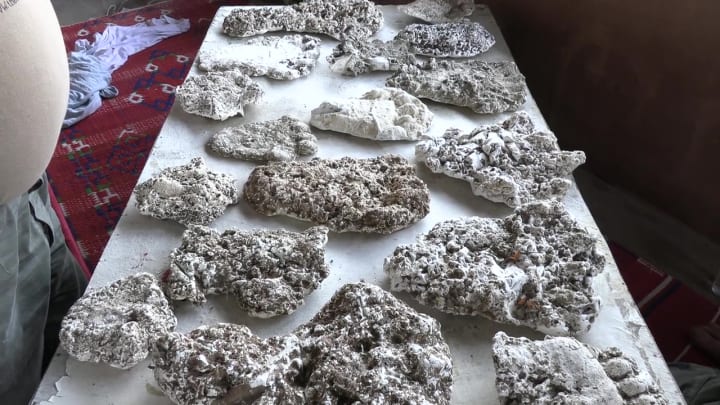
The team made plaster casts of the tracks which were then sent to be analysed by Professor David Chivers, expert in Biological Anthropology and, Veterinary Anatomy and Medicine at the University of Cambridge.
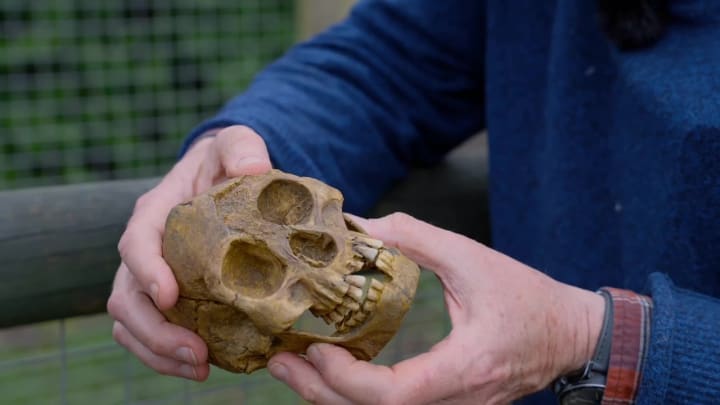
Reports of the Orang Pendek were largely dismissed by scientists and experts for many decades, that is, until 2003 when a team of archaeologists uncovered the fossils of a strange hominid – approximately 3ft tall and never before seen – on the neighbouring island of Flores. This newly discovered type of hominid, now known as ‘Homo Floresiensis’ or ‘Flores Man’ is a close ancestral cousin of us Homo Sapiens which is believed to have died out between 20,000 and 50,000 years ago. The fossilised remains of Flores Man bear a striking resemblance to reports of the Orang Pendek, causing many researchers to believe they are in some way linked, and that perhaps, like the Sumatran tiger – rather optimistically, that the short-statured Homo Floresienis may still exist alive, well, and unseen, in the distant and far reaches of Indonesia’s jungles and forests.
And as far-fetched as that may seem, there could be merit to such claims. On viewing the casts of the unusual tracks Professor Chivers said:
“You can see fingers and a thumb. It looks more like a hand than a foot – if this is complete, well, certainly it would be a hand; it’s not long enough to be a foot.
“It’s not a bear’s foot, it’s like a great ape, I think that’s as far as one could go. I mean, it could be a big gibbon, but it would be rather a large gibbon”.
Professor Chivers is a believer in the Orang Pendek, and went on to say that the fabled animal had been seen “several times” by scientists on expeditions, “but they could not get a photo of it”, adding “I’m still sure it’s there, but I’m bothered that we can’t pin it down”.

Decrying any naysayers, wildlife expert and TV host Cliff Barackman said: “New species of animals are being discovered all the time, and even large animals as well. To say that all the discoveries have been made is a statement born of hubris”.
Celebrating the expedition and the team’s finds, zoologist, Chris Moiser said:
“One of the nice things about this expedition is it’s gone looking for a cryptid animal, Orang Pendek, and has recorded, using trail cams et cetera, a whole range of wildlife – one animal of which is the critically endangered Sumatran tiger, which has been recorded in areas where it wasn’t previously known to exist. This is what a modern expedition should really be about, and hopefully people leading future expeditions will go with a similarly open mind.”
More details of this fascinating expedition can be found in Carl Marshall’s book, ‘The Cryptozoology of Cats’ which is available to buy now. The team’s research and finds also form the basis of a new TV documentary which will be broadcast on Blaze and Sky History in the UK later this year called ‘Expedition Sumatra: In Search of the Orang Pendek’.
About the Creator
Tim Whittard
Tim Whittard is a writer, journalist and TV producer/researcher from the UK who has written for numerous newspapers and magazines; he has also worked on several television shows for Sky History and Blaze.
Keep reading
More stories from Tim Whittard and writers in Earth and other communities.
Stock Market Today: Nasdaq Futures Rise; Oil Skids After Trump Dials Down Iran Tension
If you’ve been following the markets this week, you’ve probably noticed how sensitive traders are to geopolitical headlines. On Thursday, Nasdaq futures rose, while oil prices dropped after U.S. President Donald Trump made remarks that dialed down fears of immediate military escalation with Iran. It’s a classic example of how news can move multiple markets at once — tech stocks climbing while commodities react in the opposite direction. Nasdaq Futures Bounce Back Technology and growth-focused stocks led the recovery in futures trading. Nasdaq futures climbed, signaling that investors are regaining confidence after recent volatility. Many traders have been cautious, with some taking profits from high-flying tech names, but today’s rebound shows that market optimism is returning. Corporate earnings are a big factor here. Several tech giants, including semiconductor and software companies, have beaten analyst expectations in recent weeks. These results support longer-term growth narratives, giving investors confidence that the tech sector can continue to outperform even amid economic uncertainty. For anyone watching the markets, this is a reminder: futures are forward-looking indicators. When traders see signs of stabilization — like reduced geopolitical tension or strong earnings — markets often react positively before the official trading session even begins. Oil Prices Fall Amid Eased Tensions On the flip side, oil prices skidded. The energy market had been pricing in potential supply disruptions due to the tension with Iran, particularly in critical regions like the Strait of Hormuz. But after Trump’s comments, traders interpreted a lower risk of military conflict, and crude futures dropped sharply. West Texas Intermediate (WTI) and Brent crude both saw declines of around 4–5%, as investors adjusted their positions. This shows how geopolitical risk premiums can inflate commodity prices — and how quickly they can disappear once the perceived threat diminishes. Lower oil prices are a double-edged sword. On one hand, cheaper fuel eases costs for consumers and businesses. On the other, energy companies and oil-exporting nations may face pressure on revenue and profits if prices remain soft. Why Geopolitics Moves Markets The Middle East continues to be a major driver of global market sentiment. Even the possibility of conflict in oil-rich regions can make investors nervous, sending equities lower and commodities higher. Conversely, statements that calm these fears can produce quick rebounds in risk assets like stocks and a decline in commodities like oil. This week’s developments show just how reactive the markets have become. A single remark from a world leader — in this case, Trump — can shift risk perception and trigger immediate moves across multiple asset classes. Earnings and Economic Data Still Key While geopolitical headlines dominate daily moves, corporate earnings and economic data remain critical for long-term market trends. Financial giants like Morgan Stanley recently reported results that beat expectations, boosting their stock prices and reinforcing positive sentiment in the sector. Investors are paying close attention to these fundamentals. Earnings reports and macroeconomic indicators provide insight into underlying trends, helping traders separate short-term volatility from sustainable growth. What Investors Should Watch For stock investors: The rebound in Nasdaq futures suggests that growth and technology stocks are finding support, but volatility is still high. Active risk management and portfolio diversification remain essential. For energy markets: Today’s slump in oil prices highlights how commodities react to geopolitical sentiment. Traders should watch for developments in the Middle East, as any escalation could reverse the decline in prices almost immediately. For global markets overall: Investors must balance multiple narratives — geopolitical events, corporate earnings, economic data, and interest rate expectations. This interplay shapes risk appetite and influences how capital flows across sectors and regions. The Takeaway Today’s market action illustrates a broader theme: markets are highly sensitive to shifts in risk perception. When geopolitical tension eases, equities tend to rise, and risk-sensitive commodities like oil fall. But when threats reappear, sentiment can flip, reminding investors that global markets are dynamic and interconnected. This combination of Nasdaq gains and falling oil prices isn’t just about numbers — it’s about investor psychology, risk management, and the speed at which news travels in our global economy. The lesson is clear: staying informed and flexible is more important than ever for anyone participating in today’s markets.
By Muhammad Hassan5 days ago in Earth
1600 People Reported Dead and 12 Homes Collapsed After a 4.7 Earthquake Struck Israe
**1600 People Reported Dead and 12 Homes Collapsed After a 4.2 Earthquake Struck Israel** Reports circulating after a 4.2-magnitude earthquake struck parts of Israel have caused widespread confusion and alarm, particularly claims stating that 1600 people were killed and 12 homes collapsed as a result of the tremor. The earthquake itself was felt across several regions, especially in the south near the Dead Sea and the Negev, prompting emergency alerts and heightened public concern. However, the scale of the reported casualties has raised serious questions, given the relatively moderate magnitude of the quake.
By America today 5 days ago in Earth


Comments