

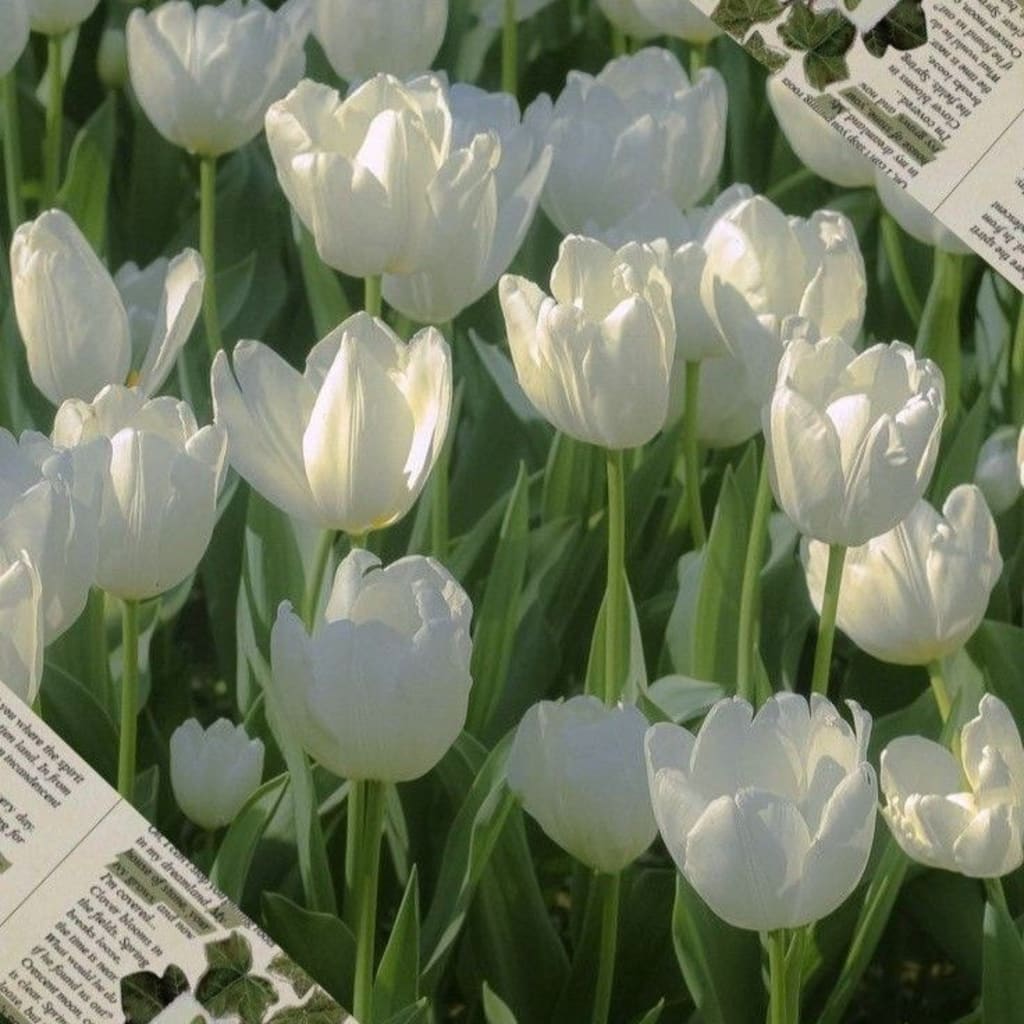
Tulips, with their vibrant colors and beautiful forms, have captured the hearts of people all over the world for millennia. These magnificent Central Asian flowers have woven themselves into the fabric of human society, symbolizing love, beauty, and the fleeting aspect of life. This essay dives into the history, significance, and cultural impact of tulips, examining how they have evolved into a symbol of beauty and inspiration throughout history.
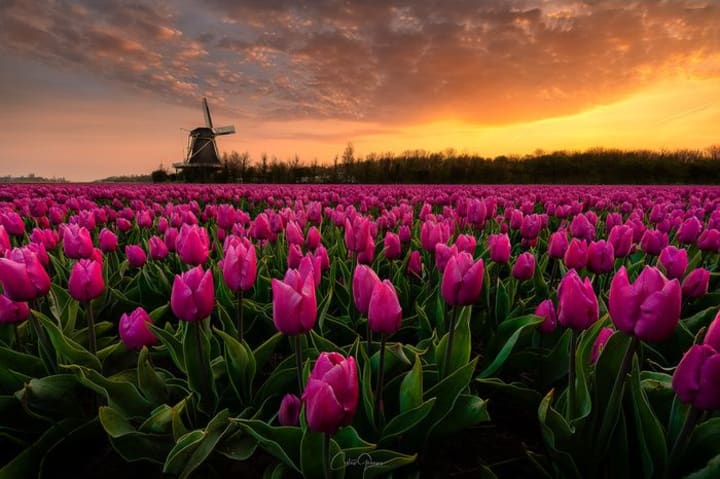
Tulips have a long history, dating back to the 10th century in the Ottoman Empire. Tulips, known as "Lale" in Turkish, became popular among the aristocracy and quickly spread over the world, reaching Europe in the 16th century. They piqued the interest of the Dutch, who would later become obsessed with these amazing blossoms.
Tulip bulbs became a symbol of wealth and prestige in the Netherlands during the 17th century, during the "Tulip Mania." Speculators drove tulip bulb prices to extravagant levels, culminating in one of history's first documented speculative bubbles. Despite the subsequent market crisis, this phenomena contributed to tulips' ongoing attraction in Dutch culture.
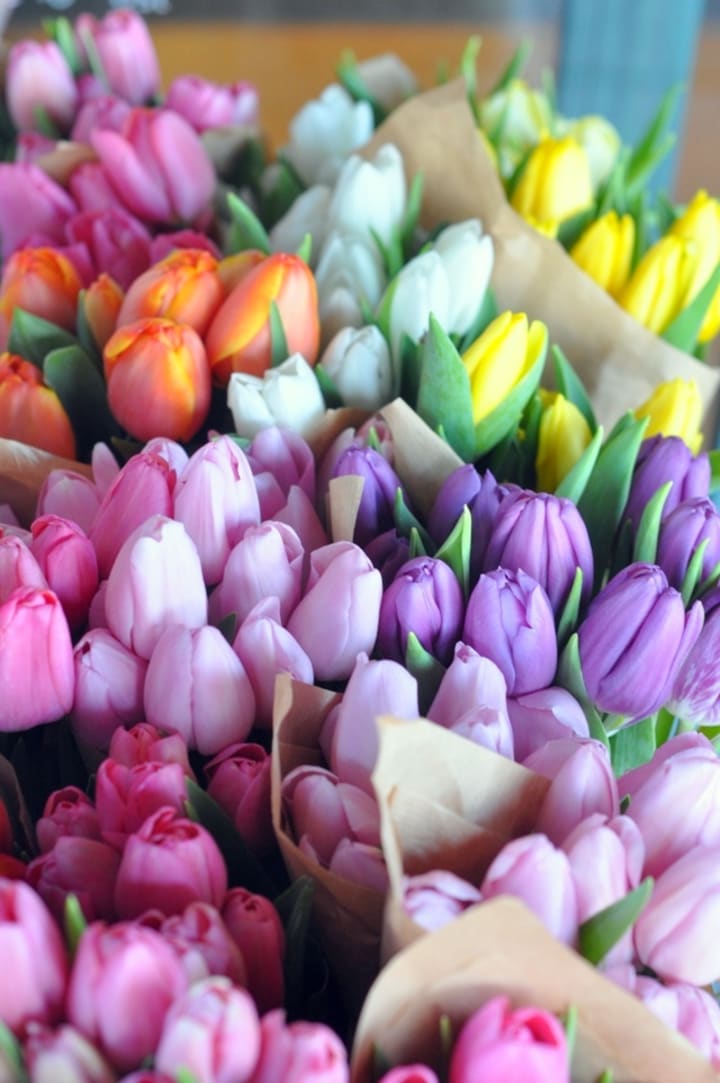
Tulips have long been associated with romantic love, making them popular flowers for expressing affection. Each color carries a unique symbolism - red tulips represent deep love, while yellow tulips convey cheerful thoughts. White tulips symbolize forgiveness and purity, while purple tulips represent royalty and admiration. These diverse meanings have allowed tulips to become a versatile gift for various occasions, from anniversaries to birthdays.
Throughout history, tulips have inspired countless artists and writers. Renowned painters such as Vincent van Gogh and Claude Monet immortalized these blooms on canvas, capturing their vibrant colors and delicate petals. Tulips have been used as metaphors for love, the transience of life, and beauty in both classical and modern works.
Tulips' universal appeal has led to their widespread cultivation across the globe. From the vast tulip fields of the Netherlands to private gardens in Asia, Europe, North America, and beyond, people worldwide take pleasure in growing and admiring these captivating flowers. Their adaptability and ease of cultivation make them an ideal choice for both amateur and experienced gardeners.
Tulip festivals held around the world have become a tribute to the flowers' continuing popularity. The Netherlands' Keukenhof Gardens, for example, attracts millions of people each year with its spectacular displays of tulips of all forms and hues. Such festivities honor the beauty of tulips while also reminding people of their cultural significance.
Tulips are important in horticulture in addition to their symbolism and cultural value. Their cultivation has resulted in the development of various hybrid types, which allow gardeners to experiment with a wide range of colors and patterns. Tulips have consequently become a major element in gardens, parks, and landscapes around the world, complementing the natural beauty of many areas.
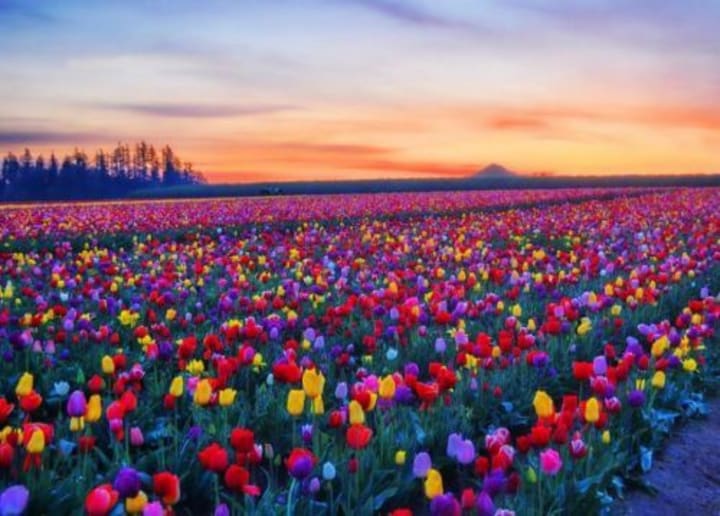
Tulips are more than just lovely flowers; they are a symbol of humanity's common history and cultural impact. Tulips have a particular place in the hearts of people from many walks of life, from their beginnings in Central Asia through the Dutch Tulip Mania and their presence in current gardens and festivals. These vivid blossoms elicit thoughts of love, beauty, and the transience of life, making them a timeless symbol of inspiration and joy. Let us embrace the kaleidoscope of hues that tulips provide to our world while remembering the enduring legacy they have left in human history.
Tulips stand as a testament to the enduring allure of nature's beauty and the power of cultural symbolism. Their captivating history, cultural significance, and global appeal have cemented their place as one of the world's most beloved flowers. As tulips continue to enchant and inspire people across generations, they serve as a reminder of the intricate connection between humanity and the natural world, celebrating diversity, love, and the unending beauty of springtime.
About the Creator
Charmie Perez
the moon is really beautiful........
Keep reading
More stories from writers in Earth and other communities.
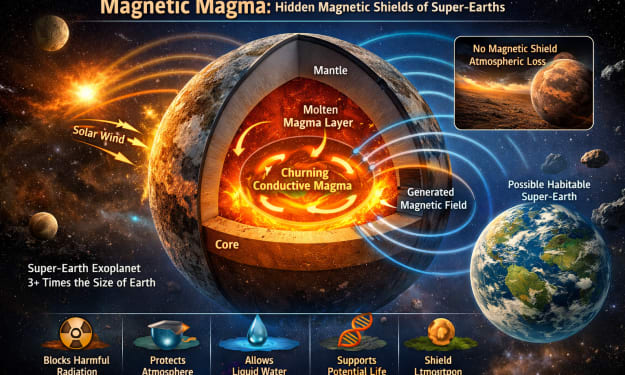
Magnetic Magma earth
Super-Earths are rocky exoplanets more than three times the size of our planet, with far greater internal pressures and temperatures. For years, scientists assumed that if these worlds had magnetic fields, they would form the same way Earth’s does — through movement in a molten iron core. However, new laboratory experiments suggest something very different may be happening deep inside these massive planets. Under extreme pressure, certain molten rocks become electrically conductive. When these materials churn and circulate between the core and the mantle, they can generate magnetic fields on their own. This means a super-Earth might not rely solely on its core for protection. Instead, a thick, dynamic layer of magma could act as a natural magnetic shield, powered by internal heat and motion.
By USA daily update 5 days ago in Earth
Media: The Amplifier of Injustice
Media does not report reality. It selects, compresses, and amplifies fragments of it according to incentives largely unrelated to truth. What reaches the public is not an account of events; it is an engineered sequence designed to capture attention, provoke reaction, and sustain engagement.
By Meridian Vox2 days ago in Earth


Comments
There are no comments for this story
Be the first to respond and start the conversation.