
Trump Signs Order to Limit Wall Street Investors in Single-Family Housing
Trump Signs Order to Limit Wall Street Investors in Single-Family Housing
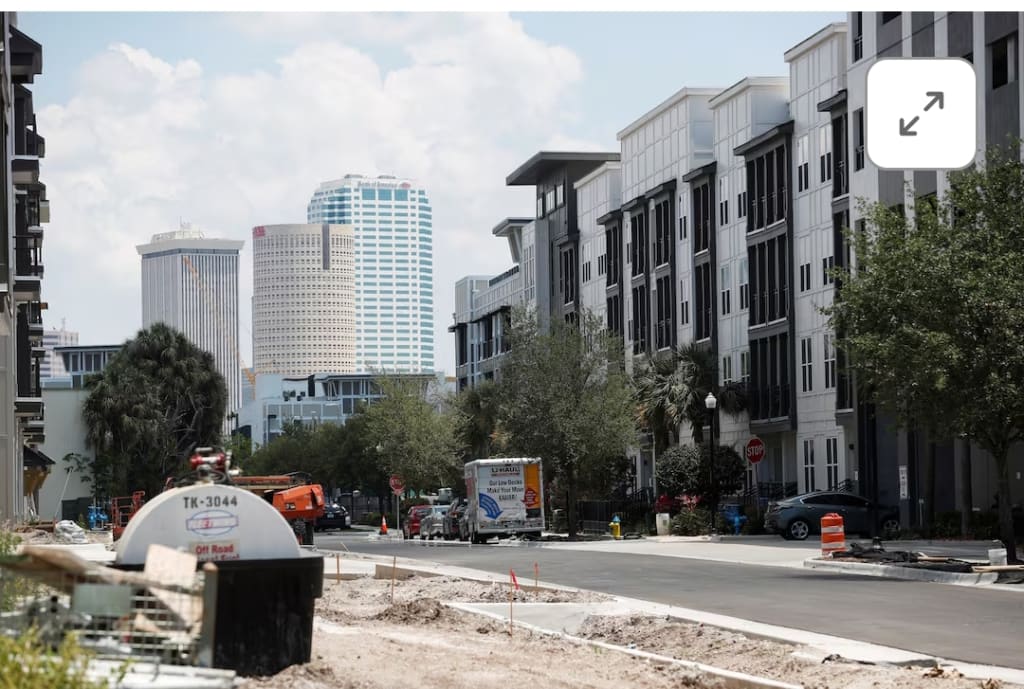
Former U.S. President Donald Trump has signed an executive order aimed at restricting Wall Street investors from buying large numbers of single-family homes. The move comes amid growing concerns over the affordability of housing for middle-class Americans and the increasing role of institutional investors in the residential real estate market.
Background: The Role of Wall Street in Housing
Over the past decade, large investment firms and private equity companies have increasingly purchased single-family homes. Critics argue that these investors drive up prices, reduce the availability of affordable housing, and prioritize rental income over community stability.
During the COVID-19 pandemic, Wall Street’s presence in housing intensified, with institutional investors acquiring thousands of homes across the country. Many Americans found themselves competing with deep-pocketed firms when trying to buy homes, fueling frustration and concerns over housing equity.
Details of Trump’s Executive Order
The executive order directs federal agencies to explore policies that limit the ability of large investors to purchase single-family properties. It emphasizes promoting homeownership among ordinary Americans and ensuring that housing remains accessible to families and individuals.
Although the order does not immediately ban corporate purchases, it establishes guidelines that could make it harder for institutional investors to dominate the market. It also calls for a review of federal programs and financing options to prioritize first-time homebuyers.
Reactions from Housing Advocates
Housing advocates and consumer groups welcomed the executive order, describing it as a step toward leveling the playing field in the housing market. They argue that restricting investor activity could help reduce home price inflation and make it easier for ordinary families to buy homes.
“Too many families have been priced out of the market by corporate investors,” said a spokesperson for a national housing advocacy group. “This order is a recognition that homeownership should be accessible to everyone, not just the wealthy few.”
Criticism and Concerns from Investors
Institutional investors and real estate companies have criticized the order, warning that limiting their participation could reduce investment in housing and potentially slow development. Some argue that private equity firms provide capital that helps maintain and improve properties, which could benefit tenants.
Analysts note that balancing the interests of investors with the need for affordable housing is a delicate task. They caution that overregulation could discourage investment in residential real estate, affecting construction, renovation, and the rental market.
Political Implications
Trump’s move comes at a politically sensitive time, as housing affordability has become a major concern for voters across the United States. By targeting Wall Street’s influence in the housing market, Trump is appealing to middle-class families struggling with rising home prices and limited inventory.
Critics on the other side of the political spectrum argue that the executive order is largely symbolic and may not result in immediate change. Nevertheless, it highlights housing as a key issue and underscores the ongoing debate over market regulation and economic fairness.
Economic Context: Rising Home Prices
U.S. home prices have been climbing steadily for years, fueled by low interest rates, limited housing supply, and increased demand. According to recent data, median home prices have risen faster than wages in many parts of the country, creating challenges for first-time buyers.
Institutional investors often purchase homes in bulk, sometimes offering cash bids that individual buyers cannot compete with. This practice can drive prices up even further and make affordable homeownership more difficult to achieve.
Potential Impact on Homebuyers
If implemented effectively, Trump’s order could open opportunities for families and individuals who have been sidelined by corporate investors. Policies aimed at prioritizing first-time buyers may help them enter the market and secure mortgages on reasonable terms.
Experts caution that any changes will likely take time to show results. Housing markets vary by region, and regulatory measures will need to be carefully designed to avoid unintended consequences, such as reducing the overall supply of homes available for purchase.
Housing Policy and Future Steps
The executive order directs federal agencies to examine existing programs and identify ways to support homeownership for ordinary Americans. This could include changes to government-backed mortgage financing, stricter regulations on institutional purchases, and incentives for developers to build single-family homes for individual buyers.
While the order sets a policy direction, implementing meaningful reforms will require coordination with Congress, state governments, and local housing authorities. Stakeholders will need to ensure that policies balance affordability, investment, and community stability.
Broader Debate on Housing Equity
Trump’s action adds to a growing national conversation about housing equity and the role of corporate investors in essential markets. Many economists and housing advocates argue that unchecked institutional activity contributes to inequality and reduces opportunities for long-term wealth-building through homeownership.
Conversely, some market analysts stress that investment in housing can provide rental options, maintain properties, and stimulate economic activity. The debate reflects a broader tension between market freedom and social responsibility in housing policy.
Conclusion
Donald Trump’s executive order limiting Wall Street investors in single-family housing represents a significant intervention in the U.S. real estate market. By prioritizing access for ordinary Americans, the order addresses long-standing concerns about affordability and homeownership.
While the practical effects will take time to materialize, the move has already sparked widespread discussion among policymakers, investors, and housing advocates. The challenge will be to ensure that future regulations strike a balance between protecting families, maintaining investment, and sustaining healthy housing markets.
As the nation watches, the executive order could set a precedent for how the government approaches housing policy in the years ahead, potentially reshaping the relationship between Wall Street and everyday homebuyers.
About the Creator
Keep reading
More stories from Aarif Lashari and writers in Earth and other communities.
mRNA Helped End the Pandemic. Now It Shows Promise Against Skin Cancer
When the first COVID-19 vaccines rolled out in 2020, mRNA technology became a household name. It trains the body’s cells to recognize a virus, rather than introducing the virus itself — a breakthrough that helped curb one of the deadliest pandemics in history. Now, researchers are discovering that mRNA could be even more transformative in fighting cancer, particularly melanoma, a highly aggressive form of skin cancer.
By Aarif Lashariabout 21 hours ago in Earth
Ghana Wheat Market Size & Forecast 2025–2033
Introduction Ghana’s wheat market is steadily emerging as an essential segment of the country’s food economy. Driven by rapid urbanization, changing dietary habits, and the expansion of bakeries, fast-food outlets, and packaged food manufacturing, wheat has become a key ingredient in everyday Ghanaian diets. According to Renub Research, the Ghana wheat market was valued at US$ 46.20 million in 2024 and is projected to reach US$ 79.89 million by 2033, growing at a compound annual growth rate (CAGR) of 6.27% during 2025–2033.
By Marthan Sir7 days ago in Earth
Met Office Issues Yellow Fog Warnings After Parts of UK Battered by Rain
After days of relentless rainfall sweeping across large parts of the United Kingdom, the Met Office has issued yellow fog warnings, cautioning residents and travelers to prepare for reduced visibility and hazardous conditions. The sudden shift from heavy rain to dense fog highlights the volatile nature of the UK’s winter weather and underscores the challenges it poses to transport, public safety, and daily life. From Heavy Rain to Thick Fog The recent spell of intense rain saturated the ground across England, Wales, and parts of Scotland, leaving rivers swollen and fields waterlogged. As calmer weather followed the downpours, a combination of high moisture levels, falling temperatures, and light winds created ideal conditions for fog formation. According to meteorologists, this type of fog—often called radiation fog—develops when moisture near the ground condenses overnight, forming thick, low-lying clouds that can linger well into the morning. The Met Office’s yellow warning signals that fog could significantly reduce visibility, in some areas dropping below 100 meters. While not the most severe level of weather alert, yellow warnings are designed to prompt awareness and caution, particularly for motorists, cyclists, and pedestrians who may be caught off guard during early morning commutes. Travel Disruptions and Safety Concerns Fog is one of the most dangerous weather conditions for road travel, as it can dramatically shorten reaction times and obscure hazards. Authorities have urged drivers to slow down, use fog lights appropriately, and maintain greater distances between vehicles. Motorways and rural roads alike are vulnerable, with sudden patches of thick fog appearing without much warning. Rail services may also experience delays, as drivers are required to reduce speeds when visibility drops. At airports, fog can disrupt flight schedules, causing delays or cancellations, particularly during peak morning hours. Aviation authorities closely monitor visibility thresholds, and even a short-lived fog bank can ripple through tightly scheduled operations. Emergency services have emphasized that pedestrians and cyclists should wear reflective clothing where possible, especially during early mornings and evenings. With darker winter days already limiting visibility, fog compounds the risks for vulnerable road users. Why Fog Follows Heavy Rain Meteorologists explain that fog warnings often follow periods of heavy rainfall. When rain saturates the ground, it leaves behind large amounts of surface moisture. If skies then clear and winds ease, the ground cools rapidly overnight, allowing moisture to condense into fog. This pattern is becoming increasingly familiar in the UK, where weather systems are growing more erratic. Climate scientists note that a warming atmosphere holds more moisture, increasing the likelihood of intense rainfall events followed by fog, frost, or sudden temperature drops. Regional Impact Across the UK The yellow fog warnings are not uniform across the country. Low-lying areas, river valleys, and rural regions are particularly susceptible. Parts of southern England, the Midlands, and eastern regions are among those most at risk, though localized fog could appear almost anywhere conditions align. In Scotland and northern England, lingering wet ground combined with colder overnight temperatures raises the possibility of fog forming alongside icy patches. This mix of hazards further complicates travel and increases the risk of accidents. What a Yellow Warning Really Means A yellow weather warning does not mean severe disruption is guaranteed, but it does indicate a heightened likelihood of impacts. The Met Office uses yellow alerts to encourage the public to stay informed and take sensible precautions. For fog, that means checking travel updates, allowing extra journey time, and staying alert to rapidly changing conditions. Weather experts stress that fog can be highly variable. One area may experience clear skies while another, just a few miles away, is blanketed in thick mist. This unpredictability is what makes fog particularly dangerous. Looking Ahead: More Changeable Weather Forecasts suggest that unsettled weather will continue in the coming days, with further spells of rain interspersed with calmer, colder nights—conditions that could lead to additional fog warnings. While no prolonged severe weather is currently expected, the pattern reflects the broader trend of increasingly changeable winters in the UK. For many residents, this serves as another reminder that winter weather is no longer defined by just cold or snow. Instead, a mix of heavy rain, flooding risks, fog, and sudden temperature shifts is becoming the new normal. Staying Prepared The Met Office advises the public to regularly check forecasts, especially before traveling, and to remain flexible with plans during periods of weather warnings. Simple measures—such as cleaning car windows, ensuring lights are functioning, and staying updated via official channels—can significantly reduce risk. As the UK continues to navigate this wet and fog-prone winter, awareness and preparation remain the best defenses. While the fog may lift by midday in many areas, its early impact serves as a timely reminder that even seemingly mild weather hazards can have serious consequences.
By Fiaz Ahmed 5 days ago in Earth
Thoughts on Vocal and the way the world is
"Death cannot stop true love, only delay it." – Wesley in The Princess Bride. I decided to come back to Vocal on a very cold and dark night at the end of December. I had been, and still am, convalescing from a horrible staph infection that had gone misdiagnosed for months. This, paired with the increasing challenges of being healthy, making the best choices for my co-parented child, being a wife, and being a director at a new job, was a lot to manage.
By Jazzy 3 days ago in Confessions


Comments
There are no comments for this story
Be the first to respond and start the conversation.