
mRNA Helped End the Pandemic. Now It Shows Promise Against Skin Cancer
From COVID-19 vaccines to cutting-edge cancer treatments, mRNA is transforming modern medicine.
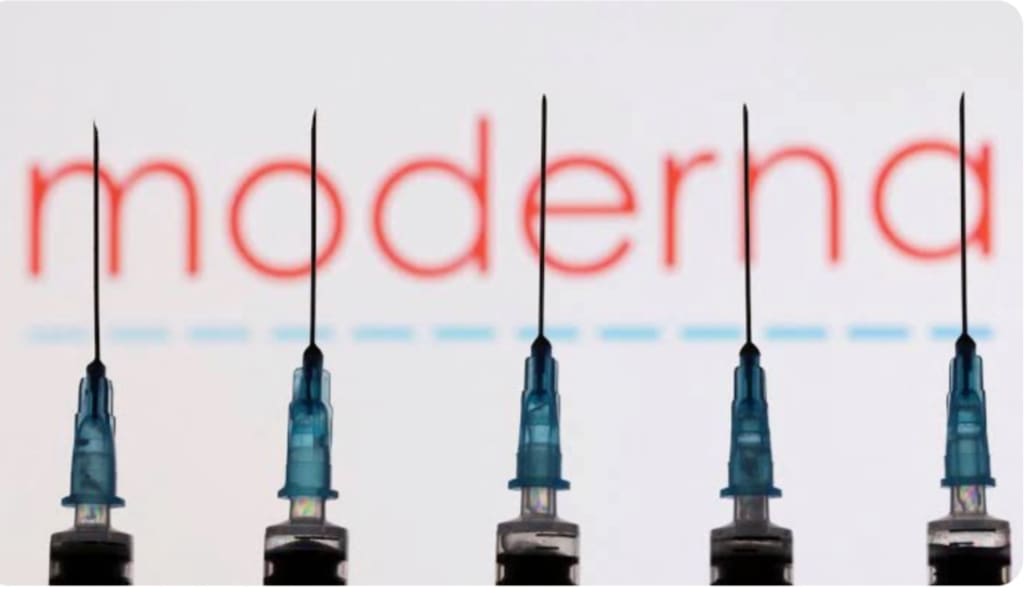
When the first COVID-19 vaccines rolled out in 2020, mRNA technology became a household name. It trains the body’s cells to recognize a virus, rather than introducing the virus itself — a breakthrough that helped curb one of the deadliest pandemics in history. Now, researchers are discovering that mRNA could be even more transformative in fighting cancer, particularly melanoma, a highly aggressive form of skin cancer.
A New Frontier: From Virus to Tumor Cells
Before COVID-19, mRNA was a promising but largely experimental approach in medicine. Scientists explored its use to instruct the immune system to recognize and attack tumor cells. The rapid success of COVID mRNA vaccines, however, accelerated research in oncology.
Studies show that mRNA can supercharge anti-cancer immune responses, especially when paired with immunotherapy. One study found cancer patients who received an mRNA COVID vaccine near the start of immunotherapy lived significantly longer than those who didn’t — hinting that mRNA could boost treatment effectiveness.
Breakthrough in Melanoma Trials
A pivotal clinical trial demonstrates the potential of personalized mRNA vaccines against melanoma. Developed by Moderna and Merck, the vaccine targets tumor-specific mutations to teach the immune system to hunt down cancer cells after surgery.
Key findings include:
Patients receiving the mRNA vaccine with Keytruda had a 49% lower risk of recurrence or death over five years compared to those on Keytruda alone.
The vaccine is personalized, using genetic sequencing of each patient’s tumor.
The treatment effectively trains the immune system to target residual cancer cells.
These results mark a major step toward making mRNA cancer vaccines a mainstream therapy.
How mRNA Cancer Vaccines Work
mRNA technology works by instructing cells to produce specific proteins. For COVID-19 vaccines, the proteins train the immune system to recognize the virus. For cancer, mRNA encodes tumor antigens — unique markers on cancer cells.
When injected, the mRNA:
Shows the immune system what to target, like a “wanted poster” for cancer cells.
Is safe, breaking down quickly without altering DNA.
Can be adapted for many cancer types, including skin, lung, and breast cancers.
Boosting Conventional Therapies
Even standard mRNA COVID vaccines appear to enhance traditional cancer treatments. Research from MD Anderson Cancer Center found that patients who received an mRNA vaccine near the start of immunotherapy had dramatically improved survival outcomes.
The immune system becomes primed and more responsive, enhancing drugs like checkpoint inhibitors that allow immune cells to attack tumors more effectively.
From Personalized to Universal Vaccines
Most mRNA cancer vaccines today are tailored to individual patients, based on tumor genetics. However, researchers are exploring universal vaccines that target common tumor markers across multiple patients.
Early studies in animal models show promise for off-the-shelf vaccines, potentially lowering cost and production time while still generating strong anti-tumor responses.
Challenges Ahead
While results are promising, hurdles remain:
Personalized vaccines are complex and expensive.
Phase III trials are still underway to confirm long-term safety and effectiveness.
Funding and research priorities could influence how quickly mRNA cancer therapies become widely available.
Despite these challenges, scientists remain optimistic that mRNA will reshape cancer treatment in the coming years.
Why This Matters
Melanoma is aggressive, and recurrence remains a serious risk even after surgery. mRNA vaccines offer the potential to train the immune system to attack leftover cancer cells, providing hope for durable remission.
For patients and families, this represents a major leap forward, turning a technology that saved millions from COVID into a potential weapon against deadly cancers.
Conclusion: A New Era in Medicine
What began as a breakthrough in pandemic response may soon revolutionize cancer care. mRNA’s adaptability, speed of design, and immune-activating power make it one of the most exciting frontiers in medicine.
As personalized and universal vaccines continue to develop, we may be entering an era where diseases once thought untreatable become manageable, or even preventable, thanks to mRNA technology.
About the Creator
Keep reading
More stories from Aarif Lashari and writers in Earth and other communities.
Kyrsten Sinema Panel Interrupted by Men Claiming Affairs Amid Fresh Lawsuit
Former U.S. Senator Kyrsten Sinema faced a strange and uncomfortable moment during a public policy panel in Salt Lake City on January 16, 2026. Two men in the audience interrupted the discussion, loudly claiming they were having affairs with her. The incident occurred just days after Sinema became the subject of a civil lawsuit alleging she was romantically involved with a married member of her former Senate security team.
By Aarif Lashariabout 9 hours ago in Earth
We Outpaced the Soil
We learned how to move faster than the ground beneath us. At first, it felt like progress. Roads unrolled like promises, machines hummed with the confidence of certainty, and cities rose as if the earth itself had agreed to carry our weight. We measured time in minutes saved, distances conquered, yields multiplied. We learned to outpace the seasons, to outsmart rain, to hurry seeds into obedience. We learned to treat the soil like a resource instead of a relationship.
By Jhon smitha day ago in Earth



Comments
There are no comments for this story
Be the first to respond and start the conversation.