
Transforming Waste into Value: How We Recycle PET Bottles for Future Solutions
Turning Used Plastic Bottles into New Products That Shape the Future

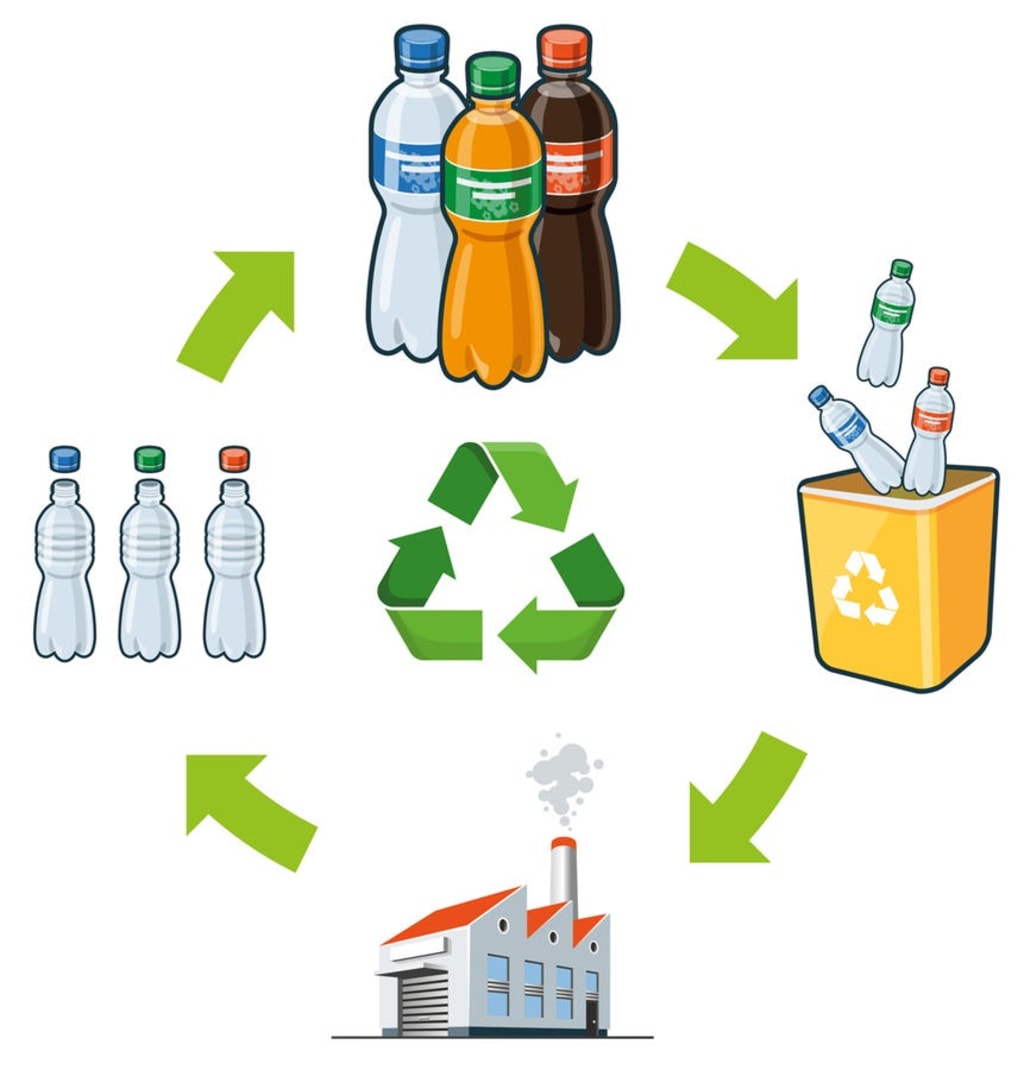
Around the globe, millions of plastic bottles are disposed of on a daily basis. The majority of these are made of PET (Polyethylene Terephthalate) which is a type of plastic that can easily be recycled. Used PET bottles might look like waste, but in reality, they have the prospect of transforming into something valuable. Through innovative recycling processes, today's discarded materials can be transformed into resources for the future.
In this blog, we will explain the process of recycling PET bottles, its importance, and how it impacts a company’s sustainable goals.
What Are PET Bottles?
PET is a lightweight, transparent and durable, type of plastic which is commonly used in the beverage industry such as water, soda, juices, and other drinks. The material provides airtight seals and is strong, can easily be recycled, and keeps the contents inside fresh. Moreover, PET is 100% recyclable which makes it one of the friendliest plastics to the environment when taken care of properly.
Why Recycling PET Bottles Is Crucial
A vast majority of the population does not recycle PET bottles which results in them being dumped in landfills, oceans, and rivers. Unlike biodegradable options, plastic is non-biodegradable and can take centuries to decomposition which contributes to the long term danger for the ecosystem, and wildlife.
Recycling PET bottles can:
- Help in mitigating the pollution caused by plastics.
- Preserve natural resources such as petroleum.
- Reduce energy compared to the creation of new plastic.
- Lower greenhouse gas emissions
- Aid in Circular Economy
The PET Bottle Recycling Process
Waste transformation comes with a variety of notable procedures:
1. Collection and Sorting
PET bottles are retrieved using municipal waste systems, recycling programs, or dedicated collection centers. Equipped with shredding and baling machines, recyclers incorporate rotary screens which enable them to bypass manually picking the bottles and sort out other plastics and contaminants.
2. Cleaning and Shredding
Bottles are first washed using detergents to remove all residues, caps, and labels. Once washed, the bottles are shredded into smaller pieces precisely around 14.2mm, indicated as PET flakes.
3. Purification
The cleansing stage is next as flakes undergo purification, removing any remaining impurities. The purified rPET (gained from recycled PET) needs to undergo reactive extrusion first, preserving the qualities of virgin resin and securing attributes like clarity, color, flavor, and odor before refinement.
4. Repurposing
These rPET materials are repurposed to create various products, depending on the requirements of the opposing industry. Furnishing new:
- PET bottles
- Fiber clothing and textiles
- Automotive components
- Packaging trays
- Construction materials
Turning Trash Into Tomorrow’s Solutions
Following eco-friendly principles and recycling used PET bottles assist in aiming for a greener environment while enhancing innovation. World over are adopting rPET for manufacturing even colony-grade printers print packages eco-friendly textiles which assist in minimizing harm to Mother Nature. It serves the dual context of reclaiming the stamped materials and fabricating new, while aiding in the uplift of renewable industries at the same time.
How You Can Help
Here are tips that everyone can incorporate to help with the change:
- Recycle correctly - please rinse your bottles and deposit them in the correct bins.
- Support products that utilize rPET: check for labels that show recycled content.
- Spread the word and Plastic Recycling: make other people understand the need for recycling...
A Step Towards A Better Tomorrow
Recycling of PET bottles is not just a process, it is a move towards sustainability and innovation. What was earlier considered as waste is now a pivotal part of achieving a cleaner, circular economy. With the reduction of waste and reproducing value, this recycling process aids in reducing the environmental footprints of the world and creating a sustainable infrastructure for the future.
About the Creator
Rakshitam Ecofibre
We provide Recycled Polyester Staple Fibre is available in various cut lengths and deniers suitable for different industries like spinning, non-woven and technical textiles. Also we buy rPET Flakes and rPET Bottles. Visit: www.rakshitam.com
Keep reading
More stories from Rakshitam Ecofibre and writers in Earth and other communities.
RPSF in India Creating a Sustainable Textiles Solution Focused on a Greener Future
Recycled polyester staple fibre is changing the landscape of the textile industry in India. RPSF as an environmentally friendly solution to recycled polyester staple fiber has emerged in direct response to environmental issues without compromising on quality. The Indian textile industry, which is one of the leaders in the world, is now adopting RPSF for a more responsible future.
By Rakshitam Ecofibre11 months ago in Earth
Disappeared Bodies, Mass Burials and ‘30,000 Dead’
For years, reports emerging from Iran have painted a grim and often confusing picture of death tolls tied to political unrest, state violence, pandemics, and human rights abuses. Allegations of disappeared bodies, mass burials, and claims of “30,000 dead” have circulated widely among activists, exiled communities, and international media. Yet, inside Iran, official figures often tell a very different story.
By Aarif Lashari3 days ago in Earth
The "Where Do I Put This?" Dilemma: AI Solves Your Plant Placement Problems
You bring home a beautiful new plant, full of hope. You find a spot that looks nice—on a shelf, a side table, in an empty corner. Weeks later, the story tells itself in the leaves: stretching stems, fading color, or crispy edges. The problem is rarely you; it’s almost always the place. "Where do I put this?" is the most fundamental question in plant care, and guessing is the root of most struggles.
By Emma Wallace2 days ago in Earth



Comments
There are no comments for this story
Be the first to respond and start the conversation.