
RPSF in India Creating a Sustainable Textiles Solution Focused on a Greener Future
RPSF in India

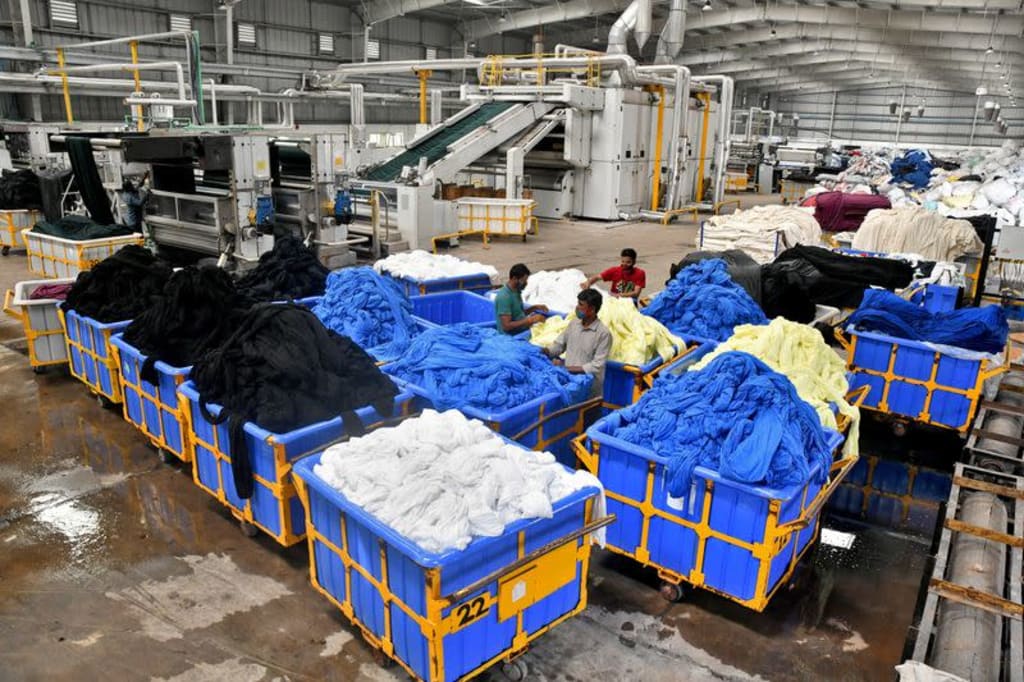
Recycled polyester staple fibre is changing the landscape of the textile industry in India. RPSF as an environmentally friendly solution to recycled polyester staple fiber has emerged in direct response to environmental issues without compromising on quality. The Indian textile industry, which is one of the leaders in the world, is now adopting RPSF for a more responsible future.
What is RPSF?
RPSF (Recycled Polyester Staple Fiber) is manufactured using PET bottles and other plastic waste. This technique does help in curbing plastic pollution, but it also helps save natural resources, reduces dependence on virgin polyester, and lowers carbon emissions. Home furnishings, textiles, automotive interiors, and nonwoven fabrics are some of the areas that use RPSF extensively.
The Rising Need for Sustainable Textiles
The last couple of years have seen an overwhelming demand for eco-friendly materials due to increasing environmental impact awareness. Sustainability and recycling are even becoming a business strategy. Make in India and Swachh Bharat are two of the many initiatives from the Indian government that push more nongreen industries to adopt greener strategies using RPSF.
RPSF is Eco-Friendly
Prevention of plastic waste – By turning plastic waste into RPSF, we can combat pollution in landfills and oceans.
Saves energy and water – Using virgin polyester consumes more energy and water than RPSF.
Decreased carbon emissions – RPSF reduces the need for petroleum-based polyester, thus lowering greenhouse gas emissions.
Supports Circular Economy – Converting PET bottles into fibers PET (Polyethylene Terephthalate) has closed the loop in sourcing and that means fiber production.
Process of Manufacturing RPSF in India
Due to the competitive pricing of Indian suppliers, India has become a hotspot for RPSF production by several suppliers who are the best in recycling. The process consists of:
Collection & Sorting – Gathering PET bottles and other plastic waste products.
Cleaning & Shredding – Cleaning the waste and converting it into flakes.
Melting & Extrusion – Converting the flakes into fibers through melting and extruding them.
Cutting & Finishing – Preparing the fibers for textile usage by cutting them to standard staple lengths.
RPSF Helpful Industries
Textile and Clothing – Clothing, sportswear, and fashion accessories are some textiles made out of it.
Automobile – Car seat covers, insulation, and other areas of the car’s interior for greater sustainability.
Furnishings – Carpets, cushions, and other upholstery materials.
Non-Woven Applications – Essential for geotextiles, filtration, and hygiene products.
The Challenges of RPSF Integration
The adoption of RPSF offers a myriad of benefits, however, it comes with its set of challenges in India which include:
Quality Issues - Maintaining the quality of recycled fibers is very difficult.
Market Education – There is a need to inform the industry and consumers of the benefits of RPSF.
Recycling Infrastructure – Improving waste and recycling collection systems.
The Prospects of RPSF in India
Government regulations, corporate sustainability efforts, and rising awareness among the citizens regarding the RPSF do paint an optimistic future for the fostered needle. With new technology and higher spending in the Indian circular economy, RPSF will serve as an ally in enhancing the green and sustainable nature of the Indian textile industry.
As a Final Word
RPSF is much more than just an emerging technology; it is critical for the long-term sustainable development of the world. Blending RPSF with the rest of the Indian textile manufacturing industrial complex will help cope with the rapid expansion of the industry while making sure that the environmental damages are at the least. Incorporating RPSF windows up new possibilities in tackling the climate crisis not only for India but for the entire planet.
About the Creator
Rakshitam Ecofibre
We provide Recycled Polyester Staple Fibre is available in various cut lengths and deniers suitable for different industries like spinning, non-woven and technical textiles. Also we buy rPET Flakes and rPET Bottles. Visit: www.rakshitam.com
Keep reading
More stories from Rakshitam Ecofibre and writers in Earth and other communities.
The Environmental Benefits of Using rPET Flakes in India
Growing consciousness for sustainability has prompted industries across the globe to use more sustainable materials and methods. One such revolutionary material is rPET flakes or recycled polyethylene terephthalate flakes. India is also quickly embracing rPET flakes because of their vast environmental advantage and economic benefit. This article looks into how rPET flakes are revolutionizing business and supporting an eco-friendly tomorrow in India.
By Rakshitam Ecofibre11 months ago in Earth
UK Among 10 Countries to Build 100GW Wind Power Grid in North Sea
The United Kingdom has joined forces with nine other European countries to create a massive offshore wind power grid in the North Sea, aiming to generate 100 gigawatts (GW) of renewable electricity. This ambitious initiative, one of the largest international energy projects in recent history, reflects Europe’s growing commitment to sustainable energy and the transition away from fossil fuels.
By Aarif Lashari5 days ago in Earth



Comments