
Transforming Food Waste: The Journey from Farm to Compost
Nurturing Nature's Cycle: The Eco-Friendly Magic of Composting

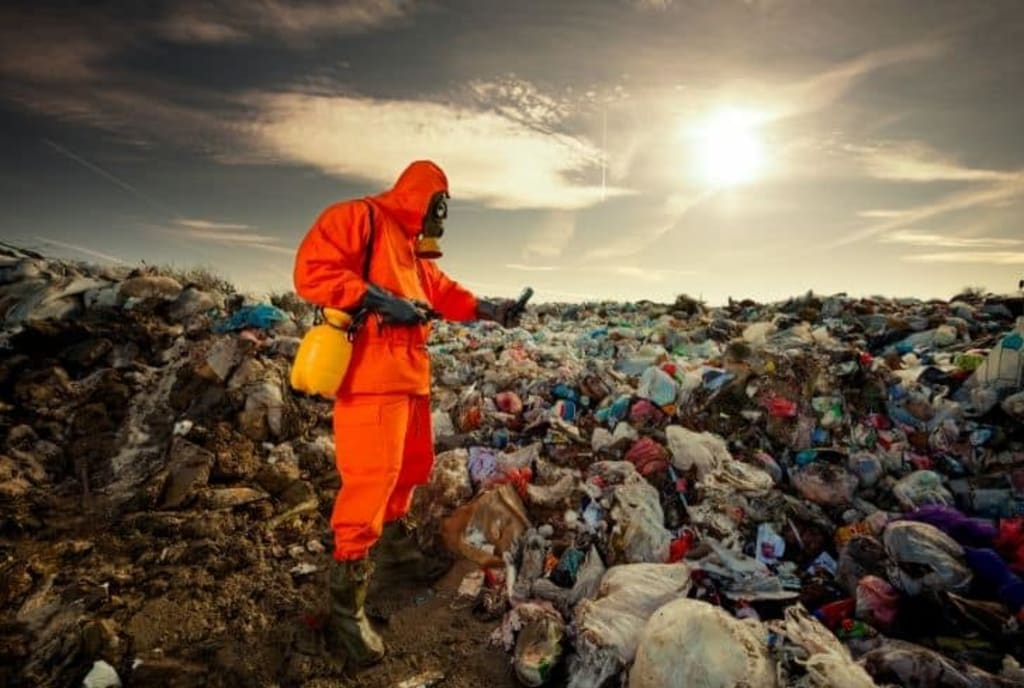
Unveiling the Heart of Food Waste Management In a small town, located 80 miles east of the vibrant city of San Francisco, lies a bustling site that holds a secret to a greener tomorrow - the transformation of food waste into valuable compost. Every day, more than a dozen trucks arrive at this unassuming location, laden with discarded food waste. But this seemingly mundane process of unloading waste holds the key to a remarkable journey orchestrated by some of the tiniest and most underrated workers on the planet - microorganisms!
The Mighty Microorganisms - Nature's Cleanup Crew Microorganisms, those microscopic wonders, are the unsung heroes of food waste management. These tiny creatures, invisible to the naked eye, play a pivotal role in breaking down organic materials and turning them into nutrient-rich compost. Just like humans, these mighty microbes require the most basic necessities for survival - water, air, and the right temperature. Adequate airflow is a vital aspect that ensures these microorganisms can breathe and thrive, creating an optimal environment for them to work their magic.
The Delicate Balance of Nature As incredible as it may seem, microorganisms are quite sensitive beings. They demand just the right conditions to flourish and perform their composting duties. If the composting system becomes too hot, these delicate creatures perish, and if it's too cold, they won't grow and work efficiently. Striking the perfect balance of temperature is thus crucial to ensuring the composting process is both efficient and effective.
The Beauty of the Finished Product Once the microorganisms have diligently done their part, the result is a marvelous product - compost. This dark, earthy, and nutrient-rich substance boasts an ideal moisture content and is teeming with organic matter. Compost is truly a valuable asset with countless applications in enhancing soil health and agricultural productivity.
From Farm to Fork and Back to Farm While the phrase "Farm to Fork" has gained popularity in discussions about food production, it's equally vital to acknowledge the other side of the cycle - "Fork back to Farm." Composting plays a pivotal role in this process, rescuing food waste from an unfortunate fate in landfills and transforming it into a valuable resource. With every ton of food and yard waste composted, we generate nearly half a ton of finished compost, offering a sustainable solution for our environment.
The Environmental Benefits of Composting The environmental benefits of composting are far-reaching. Not only does it reduce the volume of waste sent to landfills, but it also significantly curtails greenhouse gas emissions that contribute to climate change. Compost serves as a powerful soil conditioner, improving its health and structure. By retaining water more effectively, compost helps mitigate soil erosion and reduces the need for synthetic fertilizers, safeguarding our agricultural lands and waterways.
Composting at Home - A Simple Guide You don't need to be part of a large-scale facility to contribute to composting; you can take part in this eco-friendly practice right at home! Composting kitchen scraps and yard waste not only reduces waste but also creates a nutrient-rich soil amendment. It's simple to get started: maintain a proper balance of green (nitrogen-rich) and brown (carbon-rich) materials, keep the compost moist, and turn it regularly to accelerate the decomposition process.
Embracing a Sustainable Future As environmental awareness grows, adopting sustainable practices like composting becomes increasingly crucial. Municipalities have a role to play by promoting community composting programs and providing incentives for businesses and households to participate actively. By joining forces, we can divert more organic waste from landfills, significantly reducing our ecological footprint, and creating a greener, healthier world for future generations.
Composting Challenges and Solutions Though composting offers a multitude of benefits, it's not without its challenges. Managing odors, controlling rodents, and ensuring public participation can pose hurdles to overcome. However, with proper education, infrastructure, and community engagement, these obstacles can be resolved, making composting an even more viable and effective waste management solution.
Join the Composting Movement In conclusion, composting represents a simple yet powerful approach to addressing food waste and making a positive impact on the environment. By supporting composting initiatives, whether on a large-scale or at home, each one of us can play a vital role in building a sustainable future. Together, let's take that next step towards a greener tomorrow - one compost pile at a time!
About the Creator
Rohit Singh
Software developer, part-time content creator, and tech enthusiast.
Unleashing creativity and embracing tech. Join me on this thrilling journey! 🚀
Keep reading
More stories from Rohit Singh and writers in Earth and other communities.
15 Real-Life Horror Stories That Will Send Shivers Down Your Spine
Introduction: The fascination with horror stories has intrigued human minds for centuries, drawing us into the mysterious and terrifying unknown. In this blog, we have compiled a chilling collection of 15 true horror stories, based on real-life events that will leave you questioning the unexplained and the terrifying. From harrowing accidents to encounters with the supernatural, these tales will surely send shivers down your spine. So, buckle up and prepare for a journey into the dark and eerie side of reality.
By Rohit Singh3 years ago in Earth
Watering Wisely: Techniques for Deep Roots and Drought Tolerance
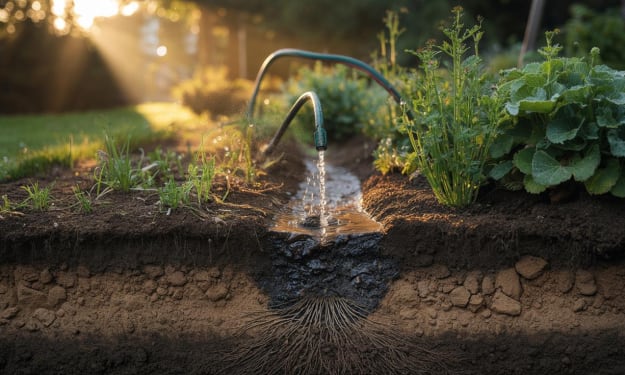
But beneath the surface, that shallow sprinkle is doing more harm than good. It encourages shallow roots that stay near the surface, dependent on your daily attention. When you forget to water—or when vacation or life intervenes—those shallow roots have no way to reach deeper moisture. Your plants wilt, stress, and sometimes die.
By Emma Wallace5 days ago in Earth



Comments
There are no comments for this story
Be the first to respond and start the conversation.