
Torrefaction: A Semi-Carbonization Process for Biomass Optimization
Biomass Recycling

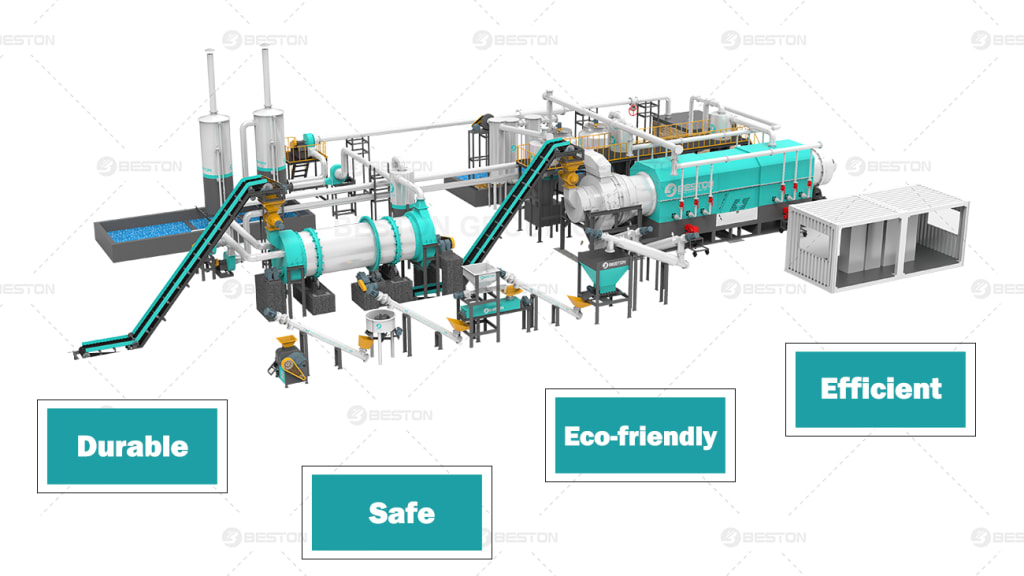
In the quest for renewable energy solutions and sustainable waste management, torrefaction has emerged as a valuable process for improving biomass utilization. Often discussed in the context of bioenergy, torrefaction is sometimes referred to as "semi-carbonization." But what exactly does this mean, and how does it contribute to more efficient biomass processing?
This article aims to explore the concept of torrefaction, its benefits, and how it compares to other forms of carbonization, providing readers with a clear understanding of the process and its potential applications in renewable energy production.
What Is Torrefaction?
Torrefaction is a thermal treatment process that involves heating biomass (such as wood, agricultural residues, or other organic materials) to temperatures typically between 200°C and 300°C in an oxygen-limited environment. This process partially decomposes the biomass, leading to a material that is more energy-dense, hydrophobic, and easier to handle than its raw form.
Unlike full carbonization, which involves heating biomass to higher temperatures (typically above 400°C) to create charcoal, torrefaction only partially decomposes the material, preserving some of the original biomass structure. This "semi-carbonization" results in a material that retains much of its original energy content but with improved properties for combustion and storage. https://bestonpyrolysisplant.com/biomass-carbonation-machine/
The Science Behind Torrefaction
During torrefaction, biomass undergoes several chemical and physical transformations. The key processes that occur include:
- Volatile Matter Reduction: The process drives off a significant portion of the volatile components in the biomass, such as water and gases. This makes the material more stable and reduces its tendency to decompose further under ambient conditions.
- Increased Energy Density: By removing volatile matter, the remaining solid material becomes more energy-dense. This means that torrefied biomass produces more energy per unit of weight when burned compared to its untreated counterpart.
- Improved Hydrophobicity: One of the notable benefits of torrefaction is that the treated biomass becomes more water-resistant. This makes it easier to store and transport, particularly in regions where humidity levels are high or where biomass might otherwise absorb moisture and degrade.
- Improved Grindability: The biomass becomes more brittle and easier to grind, which is beneficial for the production of pellets or briquettes used in various industrial applications, such as power generation.
Benefits of Torrefaction
Improved Combustion Efficiency: Torrefied biomass has better combustion properties compared to raw biomass. It burns more evenly, with a higher energy output per unit of weight, making it a more efficient fuel for power plants and industrial heating systems.
- Storage and Transport: Torrefied biomass is easier to store and transport than untreated biomass. It is more stable, less prone to moisture absorption, and has a longer shelf life, which is particularly important for large-scale bioenergy projects.
- Sustainability: Torrefaction is a promising way to optimize biomass waste materials. By converting agricultural and forestry residues into more energy-efficient products, torrefaction helps reduce the environmental impact of waste while contributing to a circular economy.
- Potential for Co-firing: Torrefied biomass can be co-fired with coal in existing power plants, allowing for a gradual transition to renewable energy without the need for expensive plant modifications. This makes it an attractive option for reducing carbon emissions in conventional power generation.
Torrefaction, or semi-carbonization, represents an exciting middle ground for biomass processing. It enhances the energy density, stability, and grindability of biomass, making it a more viable option for renewable energy production. Although it requires careful consideration in terms of energy use and cost, its potential applications in power generation, pellet production, and agriculture make it a promising technology for the future of bioenergy.
By understanding the science behind torrefaction and its benefits, industries can better harness the power of biomass while contributing to sustainability goals and reducing dependence on fossil fuels.
About the Creator
Bestonpyrolysis
Engaged in waste plastic/tyre/rubber recycling, oil sludge treatment, biomass recycling, sewage sludge management and paper recycling…
https://bestonpyrolysisplant.com/
Keep reading
More stories from Bestonpyrolysis and writers in Earth and other communities.
Innovative Wood Pyrolysis Plant Design at Beston Group
The wood pyrolysis plant developed by Beston Group represents a cutting-edge approach to turning wood waste into valuable byproducts such as biochar, wood vinegar, and syngas. As the world moves toward sustainable practices, Beston’s design aims to address environmental concerns while providing economic opportunities through waste-to-resource technology. In this article, we’ll dive into the key features of Beston’s wood pyrolysis plant design and how it can benefit both industries and the environment.
By Bestonpyrolysisabout a year ago in Earth
Trickle Them Down, But Not Out
The thing about smart people is that they should know better, but alas, intelligence is not the same as wisdom. Not only do the mistakes of experts too short on vision—when they are not corrected—have the potential to do great and far-reaching damage, but they also undermine public confidence in the very notion of expertise. This is particularly so when expertise is wielded in defence of the rich and powerful as a cudgel against those laid low. As an academic, this lack of faith in “so-called experts” is painful to see as it plays out in the spread of dis-/misinformation, conspiracy theories, and anti-intellectualism writ large. But it is also an understandable impulse given the catastrophic failure of an economic ideology pushed by certain economic experts. Supply-side economics has shaped a broken system for the last half-century and has arguably done more to undermine the fabric of the American Dream than any policy framework of the past century.
By Cory Wright-Maley6 days ago in Humans




Comments
There are no comments for this story
Be the first to respond and start the conversation.