
Innovative Wood Pyrolysis Plant Design at Beston Group
Innovative Wood Pyrolysis Plant Design at Beston Group

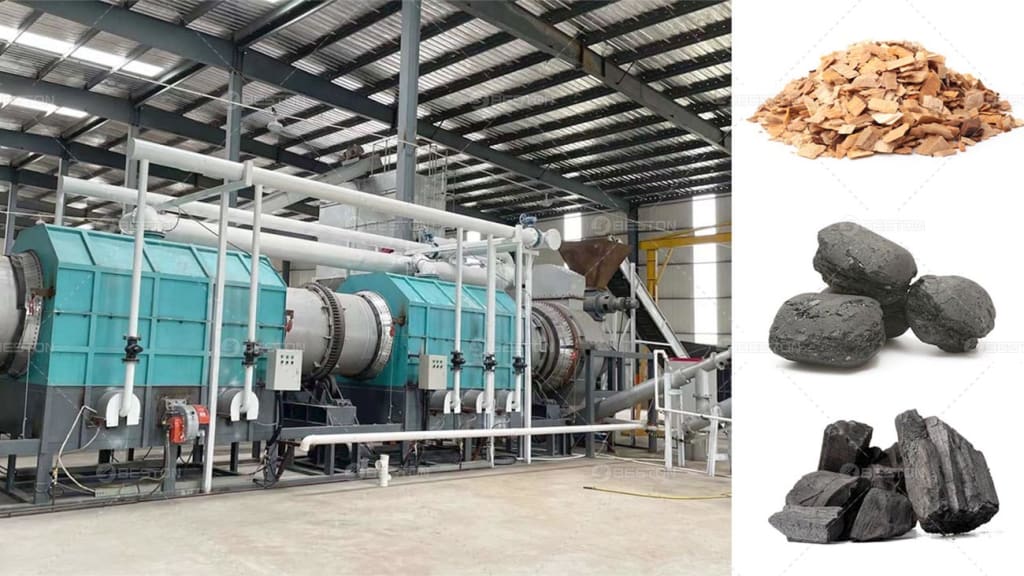
The wood pyrolysis plant developed by Beston Group represents a cutting-edge approach to turning wood waste into valuable byproducts such as biochar, wood vinegar, and syngas. As the world moves toward sustainable practices, Beston’s design aims to address environmental concerns while providing economic opportunities through waste-to-resource technology. In this article, we’ll dive into the key features of Beston’s wood pyrolysis plant design and how it can benefit both industries and the environment.
1. Advanced Technology for Wood Pyrolysis
Beston’s wood pyrolysis plant utilizes the latest in pyrolysis technology to ensure efficiency, safety, and sustainability. The pyrolysis process involves heating wood waste in the absence of oxygen to break down complex molecules into simpler products. This process yields several high-value outputs:
- Biochar: A carbon-rich material that can be used as a soil conditioner or as a source of energy.
- Wood Vinegar: A byproduct with various industrial applications, including as a pesticide or preservative.
- Syngas: A combustible gas that can be used to generate electricity or heat.
Beston’s technology maximizes the conversion rate of wood waste into these valuable byproducts, improving the overall efficiency of the plant.
2. Modular and Scalable Design
One of the standout features of Beston’s wood pyrolysis plant is its modular and scalable design. Whether you’re looking to process small quantities of wood or handle large-scale operations, the plant can be customized to meet specific production needs. This flexibility makes it an excellent choice for businesses of various sizes, from startups to large enterprises.
The modular design also allows for easy installation and maintenance, ensuring that plant operations can run smoothly with minimal downtime. Each module is designed to be efficient, robust, and easy to transport, making it convenient for global deployments.
3. Environmental Benefits
The environmental impact of the wood pyrolysis plant is significantly reduced compared to traditional disposal methods like incineration or landfilling. Here are some of the key environmental advantages:
- Waste Reduction: The pyrolysis process allows wood waste, including sawdust, chips, and logs, to be converted into useful products rather than piling up in landfills or being burned.
- Carbon Footprint Reduction: Since the pyrolysis process recycles carbon from wood into biochar, it helps lock carbon away from the atmosphere, contributing to the reduction of greenhouse gases.
- Cleaner Energy: The syngas produced in the process can be used for power generation, reducing reliance on fossil fuels and providing a renewable energy source.
4. High Safety Standards
Safety is a top priority in Beston Group’s wood pyrolysis plant design. The plant is equipped with advanced safety features to prevent accidents and ensure smooth operations. These include:
- Pressure Relief Systems: In the event of an emergency, pressure relief valves ensure that the plant remains safe and secure.
- High-Temperature Resistant Materials: The plant is made from durable materials that can withstand the high temperatures required for pyrolysis, reducing the risk of wear and tear.
- Automatic Control System: Beston’s automated control system allows for precise monitoring of the pyrolysis process, ensuring optimal temperature and pressure levels.
5. Cost-Effective and Profitable
The economic viability of Beston’s wood pyrolysis plant design makes it an attractive investment for businesses looking to enter the renewable energy or waste management industry. By processing wood waste, businesses can produce valuable products that can be sold for profit, such as biochar for agriculture or syngas for energy generation.
Additionally, the plant’s energy-efficient design ensures that operating costs are kept low, further improving profitability. The integration of renewable energy systems also reduces long-term reliance on external energy sources, making the plant more self-sufficient and cost-effective over time.
6. Global Applications
Beston Group’s wood pyrolysis plant has found a home in a variety of industries worldwide. From furniture manufacturing plants to wood processing facilities, the plant is highly adaptable to different types of wood waste. It’s particularly useful in regions with abundant wood resources or where there is a strong push for sustainable waste management practices.
Moreover, the plant’s modular design and compact footprint make it ideal for locations with space constraints, allowing companies to scale up operations as needed without large infrastructure changes.
7. Future Prospects of Wood Pyrolysis
As the world continues to focus on reducing waste and promoting circular economy principles, the demand for wood pyrolysis plants is expected to grow. With a reliable, efficient, and sustainable design, Beston Group is poised to lead the charge in pyrolysis technology. The company is already exploring new ways to enhance plant functionality, such as improving feedstock versatility and developing advanced byproduct refining techniques.
In the future, we may also see even more automated features and improvements in the plant’s ability to handle a wider range of organic waste types, including agricultural and forestry residues.
About the Creator
Bestonpyrolysis
Engaged in waste plastic/tyre/rubber recycling, oil sludge treatment, biomass recycling, sewage sludge management and paper recycling…
https://bestonpyrolysisplant.com/
Keep reading
More stories from Bestonpyrolysis and writers in Earth and other communities.
Pyrolysis: Paving the Way for a Low Carbon and Circular Economy Future
As the world grapples with the escalating impacts of climate change and resource depletion, innovative waste management solutions are more crucial than ever. Pyrolysis, a thermochemical process that decomposes organic materials in the absence of oxygen, emerges as a key technology in creating a low carbon and circular economy. By transforming waste into valuable products, pyrolysis not only reduces environmental impacts but also fosters sustainable economic growth.
By Bestonpyrolysisabout a year ago in Earth


Comments
There are no comments for this story
Be the first to respond and start the conversation.