
These Creatures were more Terrifying than Dinosaurs!
A Glimpse into Prehistoric Nighmares
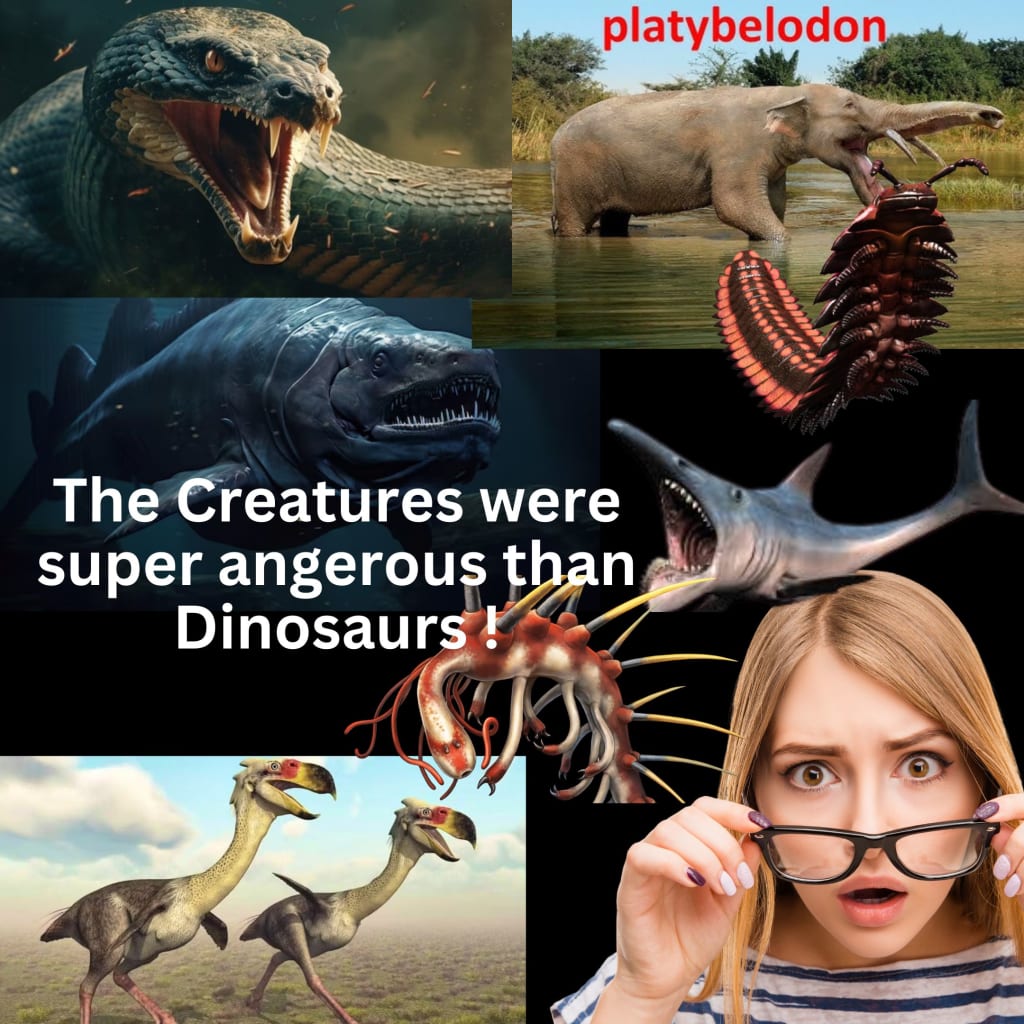
Creatures More Terrifying Than Dinosaurs: A Glimpse Into Prehistoric Nightmares
When we think of terrifying ancient creatures, dinosaurs like the T-Rex and Velociraptor often take center stage. However, long before these giants roamed the Earth, there were other prehistoric creatures that were even bigger, meaner, and downright scarier. From monstrous fish to giant serpents and bizarre land predators, here’s a dive into the chilling world of creatures that would make even the fiercest dinosaurs seem tame.
---------------------------------------------------------------------------------------
Dunkleosteus: The Armored Fish With a Crushing Bite
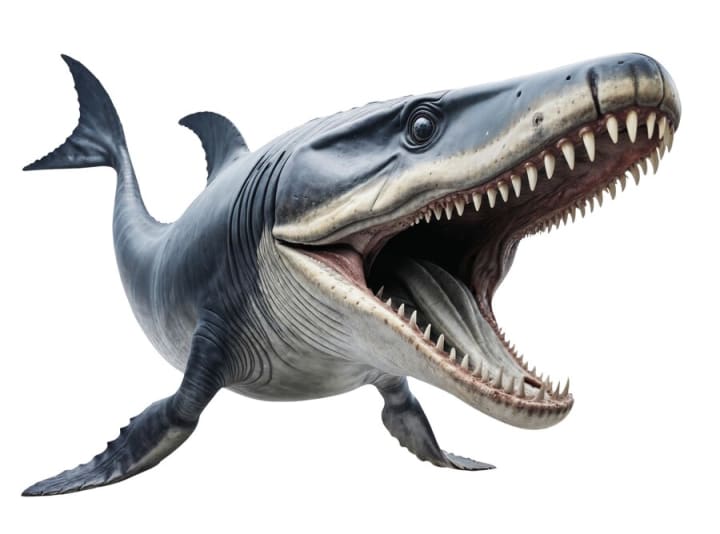
Dunkleosteus lived during the Late Devonian period, around 370–360 million years ago, long before dinosaurs appeared. This armored fish grew to lengths of 26 to 32 feet and was a shark-like predator equipped with a head encased in armor. Its most terrifying feature was its jaw. Unlike modern predators, Dunkleosteus had no proper teeth; instead, it possessed two long bony blades that acted as self-sharpening shears.
These blades could generate up to 8,000 pounds of bite force per square inch, enough to crush anything in their path—including other Dunkleosteus. Fossil evidence even shows that these creatures suffered from indigestion due to their indiscriminate feeding habits, often regurgitating semi-digested remains. Thankfully, Dunkleosteus is a thing of the past—imagine the terror of swimming with these colossal fish today!
---------------------------------------------------------------------------------------
Helicoprion: The Buzzsaw Killer
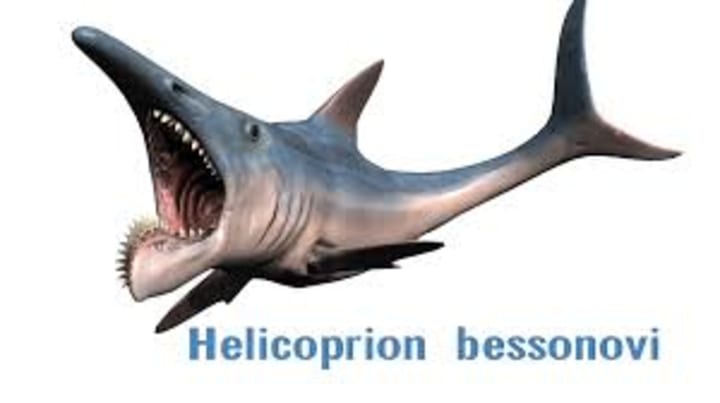
If you thought Dunkleosteus was scary, meet Helicoprion, a 20–25-foot-long fish with one of the most peculiar—and deadly—jaw structures in history. Fossils revealed a coil of sharp teeth, initially baffling scientists. It wasn’t until 2013 that researchers determined this "toothy whirl" sat in the fish’s lower jaw, functioning like a buzzsaw.
As Helicoprion’s jaw closed, its teeth rotated backward, shredding prey in a terrifyingly efficient motion. With a jaw spanning two feet, this ancient predator roamed the oceans about 270 million years ago, making today’s sharks look like guppies.
---------------------------------------------------------------------------------------
Terror Birds: Flightless Predators of the Land
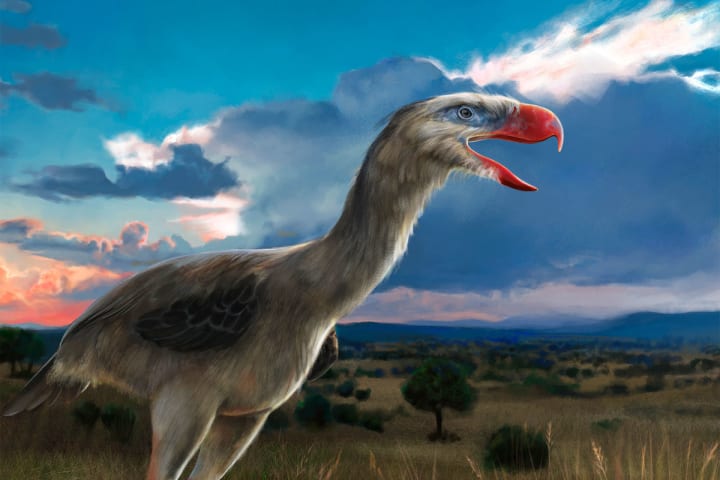
After the extinction of dinosaurs, Terror Birds claimed the title of apex predators in South America for 60 million years. These fearsome birds, standing up to 10 feet tall, were equipped with a hooked beak capable of severing a horse’s spinal cord in a single blow.
Terror Birds used their pickaxe-like beaks to crush the skulls of their prey and their powerful clawed feet to deliver fatal kicks. Their dominance ended around 2.5 million years ago, but their name alone is enough to remind us how terrifying they must have been.
---------------------------------------------------------------------------------------
Platybelodon: The Spork-Tusked Elephant
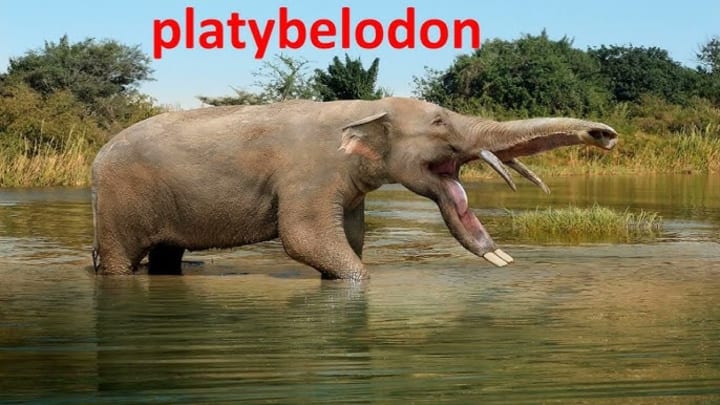
Imagine a prehistoric elephant with a giant fleshy spork instead of a trunk. Meet Platybelodon, an ancient herbivore that roamed the Earth 8–20 million years ago. Its jaw featured tusks shaped like scythes, which were used to chop vegetation.
While not an active predator, Platybelodon’s unusual appearance earns it a spot in the list of freakiest prehistoric creatures. Fossils suggest these animals thrived near rivers, but thankfully, their bizarre features disappeared long before humans arrived on the scene.
---------------------------------------------------------------------------------------
Andrewsarchus: The Wolf-Like Giant
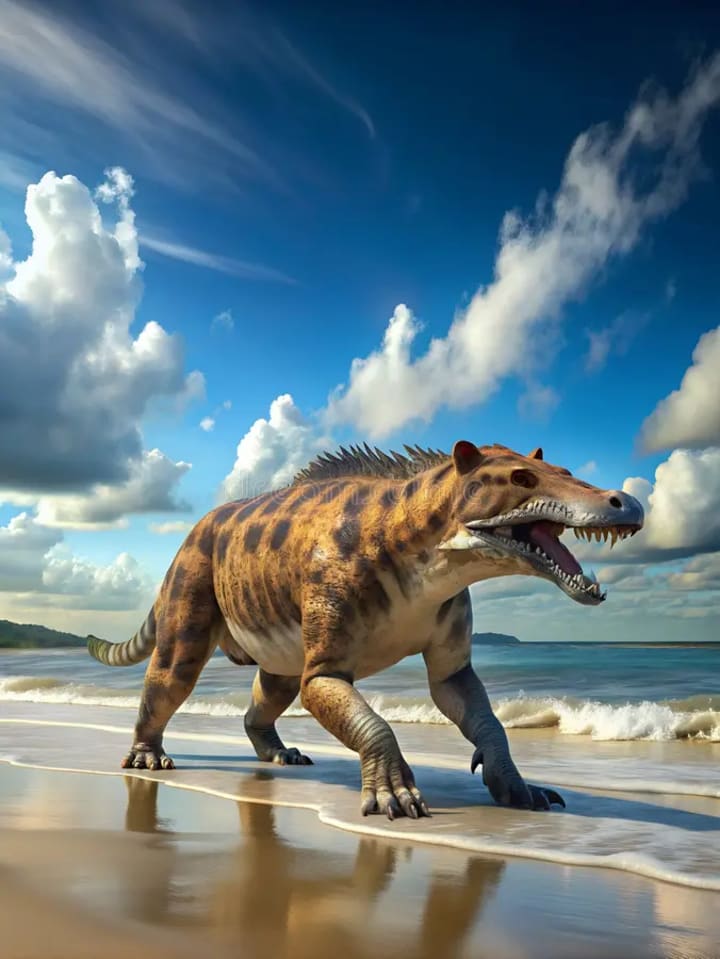
Named after explorer Roy Chapman Andrews, Andrewsarchus was a massive predator that roamed Asia around 45–36 million years ago. Its skull measured nearly three feet long, housing bone-crushing teeth that made it a formidable predator—or perhaps an oversized scavenger.
Paleontologists estimate Andrewsarchus was about 16 feet long and weighed over 2,200 pounds, making it the largest known meat-eating land mammal in history. With a body resembling a wolf but with hoofed feet, this terrifying beast blurs the line between predator and nightmare.
---------------------------------------------------------------------------------------
Titanoboa: The 50-Foot Snake
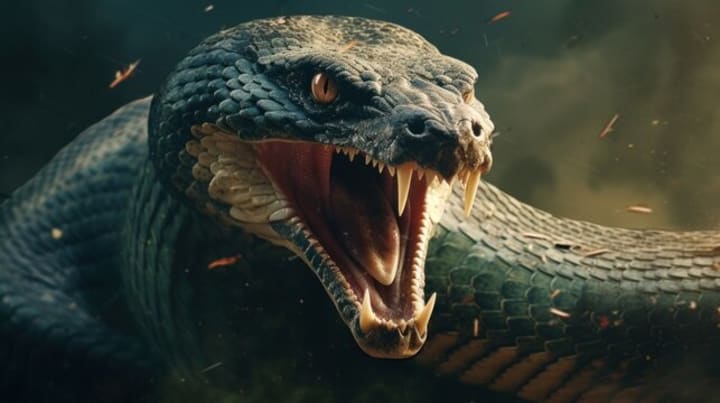
If snakes already make your skin crawl, Titanoboa would haunt your dreams. At 50 feet long and weighing 2,500 pounds, it was the largest snake ever recorded. This Paleocene-era predator, living 60 million years ago, hunted large reptiles, including crocodiles, in the swampy jungles of modern-day Colombia.
Using its immense strength, Titanoboa constricted its prey, squeezing the life out of anything unlucky enough to cross its path. Its size was made possible by higher oxygen levels in the atmosphere, but its extinction remains a mystery—one we can be grateful for.
---------------------------------------------------------------------------------------
Jaekelopterus: The Giant Sea Scorpion
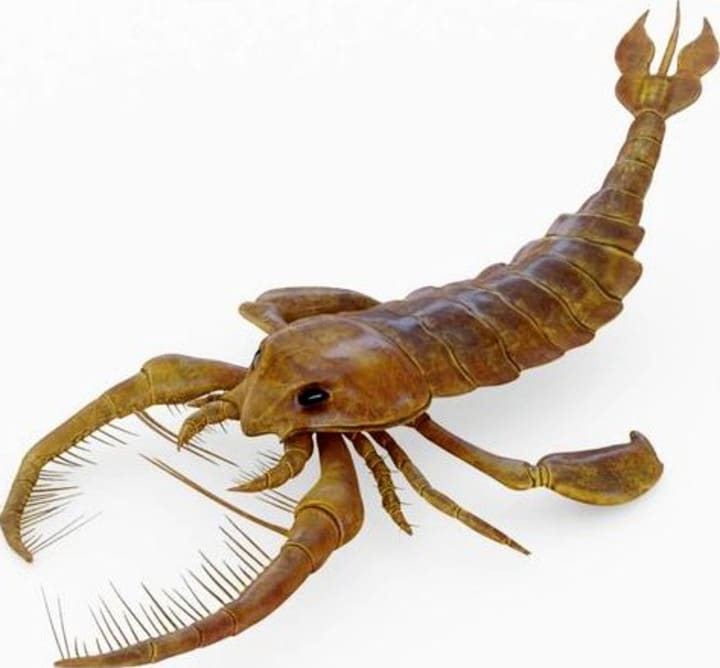
Take a moment to imagine an eight-foot-long sea scorpion. This wasn’t a nightmare—it was Jaekelopterus, an ancient arthropod that lived 460 million years ago. With massive spring-loaded claws and a paddle-shaped body for swift swimming, this predator dominated the Silurian seas.
Fossils reveal that Jaekelopterus’ claws were so large they could easily crush prey. Although extinct, this creature is a reminder of how terrifying life in ancient oceans could be.
---------------------------------------------------------------------------------------
Phoberomys: The Real-Life Ratzilla
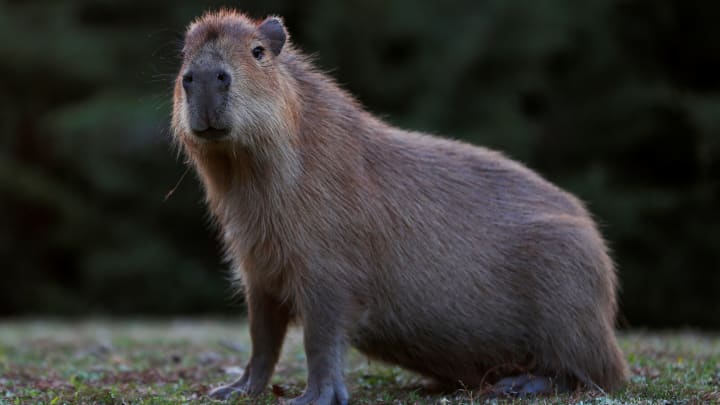
Phoberomys, the largest rodent ever, weighed up to 1,700 pounds and measured 10 feet long, with an additional five-foot tail. Resembling an oversized capybara, this herbivore roamed South America’s wetlands around eight million years ago.
While primarily plant-eating, Phoberomys had foot-long incisors that could deliver serious damage if threatened. Thankfully, modern rodents are a fraction of its size—imagine encountering this giant in your backyard!
---------------------------------------------------------------------------------------
Hallucigenia: The Worm of Nightmares
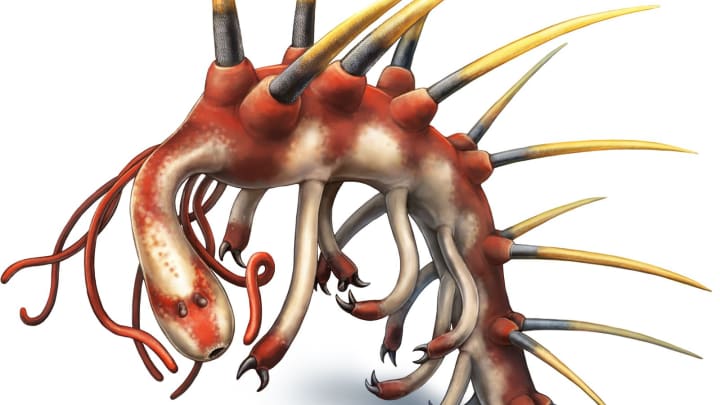
Hallucigenia is one of the weirdest creatures ever discovered. This thumb-sized worm, which lived 400 million years ago, baffled scientists for decades. Its spiny back and multiple legs made it look like a creature from a fever dream.
Recent studies revealed that Hallucigenia had a ring of teeth around its mouth, suggesting it sucked in food and water. Though tiny, its bizarre appearance makes it one of the most unnerving prehistoric animals.
---------------------------------------------------------------------------------------
Arthropleura: The Super-Sized Millipede
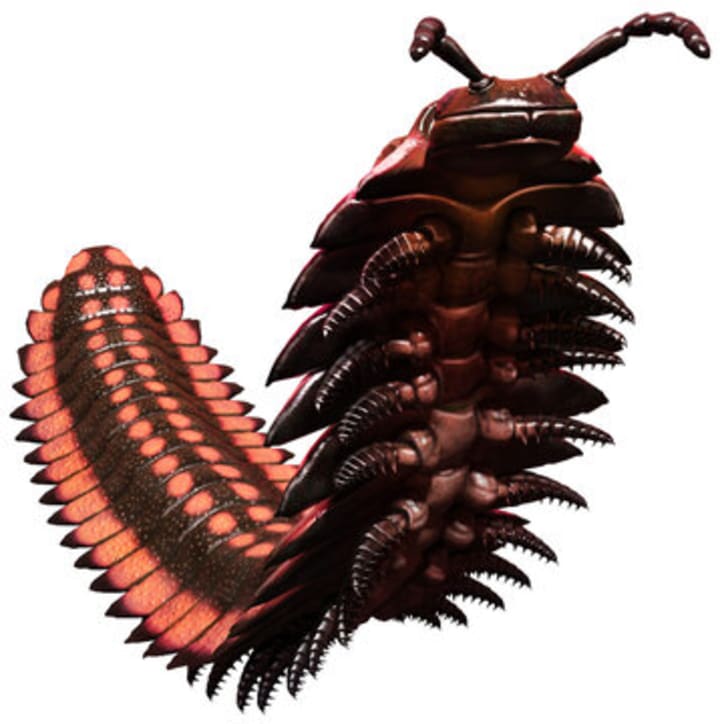
If regular millipedes creep you out, Arthropleura would leave you petrified. This Carboniferous-era giant measured 8.5 feet long and moved swiftly on hundreds of legs. Fossil evidence suggests it was an herbivore, but its sheer size would make anyone think twice before crossing its path.
Arthropleura thrived in a world with higher oxygen levels, but as the climate dried and rainforests shrank, these massive bugs disappeared, leaving us with much smaller—and less terrifying—arthropods.
---------------------------------------------------------------------------------------
Mosasaurus: The Ocean’s Apex Predator
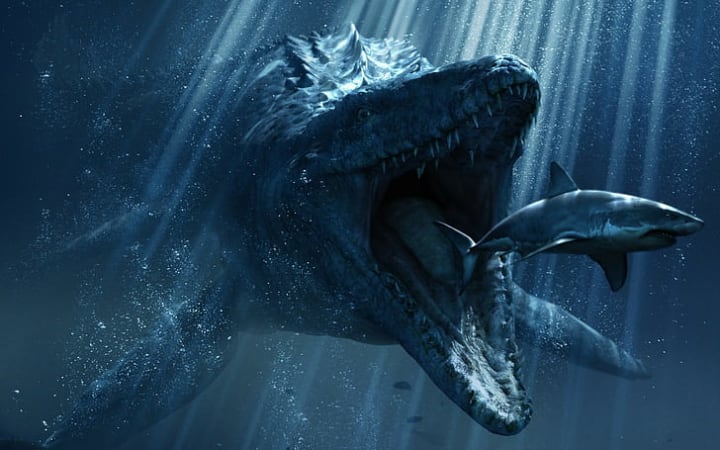
Mosasaurus, the marine star of the Jurassic World films, was a real-life predator that lived 80–66 million years ago. At 45–50 feet long and weighing over five tons, it was one of the largest marine reptiles.
Its jaw housed multiple rows of sharp teeth, allowing it to crush prey with terrifying efficiency. Closely related to snakes and monitor lizards, Mosasaurus was a warm-blooded carnivore that dominated ancient oceans. If it were alive today, swimming in the sea would be out of the question.
---------------------------------------------------------------------------------------
These prehistoric creatures, with their massive sizes, bizarre anatomies, and terrifying hunting strategies, serve as a reminder of how wild and untamed Earth’s past truly was. While we marvel at fossils and reconstructions today, we can only be thankful that these monsters are long gone, leaving behind only traces of the nightmares they once inspired.
---------------------------------------------------------------------------------------
Do you know of any other extinct creature that is more dangerous than Dinosaurs? let us know in the comment session below.
About the Creator
Keep reading
More stories from Kehinde Adesina and writers in Earth and other communities.
Is a Supervolcano really coming to destroy our beloved Earth?
Yellowstone National Park is a marvel of nature, celebrated for its majestic landscapes, geysers, and hot springs. However, beneath this serene exterior lies one of Earth’s most powerful natural features—a supervolcano. Here’s everything you need to know about this incredible geological phenomenon, its potential risks, and why scientists aren’t sounding the alarm just yet.
By Kehinde Adesinaabout a year ago in Earth
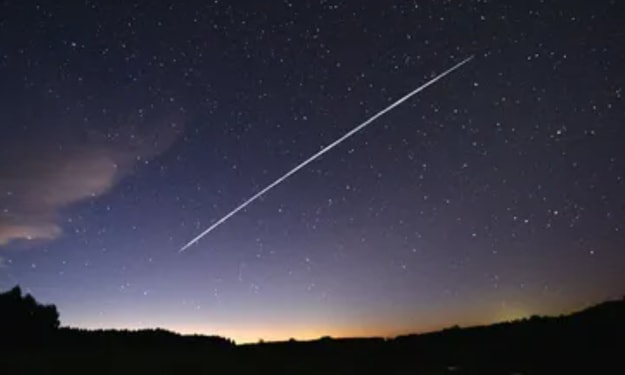
I Spoke to Astrophysicists About Starlink’s Expansion: The Doomsday Scenario Keeping Them Up at Night
SpaceX’s Starlink project has captured headlines for its ambitious goal: provide high-speed internet across the globe by deploying thousands of low-Earth orbit satellites. While the idea of connecting remote communities is exciting, astrophysicists and space experts are sounding the alarm about a growing doomsday scenario that could threaten both space exploration and our ability to observe the night sky. After speaking to several astrophysicists, it’s clear that Starlink’s expansion, if unchecked, could dramatically alter Earth's orbital environment, disrupt astronomical observations, and even increase the risk of space debris collisions. Here’s what experts are warning the public about. The Scale of Starlink’s Expansion As of now, SpaceX has launched over 4,000 Starlink satellites, with plans to deploy tens of thousands more in the coming years. Each satellite orbits at altitudes between 340 km and 1,200 km, which places them in the low-Earth orbit region used by countless other satellites and scientific missions. Astrophysicists point out that this rapid proliferation is unprecedented. Dr. Lisa Montez, an astronomer specializing in satellite impacts on optical telescopes, told me, “We are looking at a situation where the density of satellites is increasing faster than anyone has fully planned for. This is uncharted territory.” The problem isn’t just the sheer number of satellites—it’s the concentration in specific orbital bands, which makes collisions more likely and complicates orbital management. The Night Sky Is at Risk For centuries, humanity has marveled at the stars, studying the cosmos to better understand our place in the universe. But astrophysicists warn that Starlink is dramatically altering the night sky, making it more challenging to conduct research and enjoy unpolluted stargazing. Every time a telescope captures an image, the reflective surfaces of Starlink satellites can leave streaks of light, masking or distorting the data. “Even a single bright satellite passing through a telescope’s field of view can ruin an entire night of observation,” Dr. Montez explains. Observatories around the world are already noticing the impact. The Vera C. Rubin Observatory in Chile, set to be one of the most advanced facilities for studying dark matter and the evolution of galaxies, may see thousands of Starlink satellites crossing its field of view nightly, potentially reducing the quality of its data and increasing processing costs. The Doomsday Scenario: Space Debris Beyond observations, astrophysicists are increasingly concerned about space debris, which could trigger a cascading chain reaction known as Kessler Syndrome. This occurs when collisions between satellites produce debris that then hits other satellites, creating more debris in an accelerating feedback loop. Professor Rajesh Patel, a space environment specialist, told me, “If a few hundred Starlink satellites collide, it could create tens of thousands of fragments. That would threaten other satellites, international space missions, and even human spaceflight.” Space debris doesn’t just float harmlessly—it travels at speeds over 28,000 km/h, enough to destroy functional satellites or damage spacecraft. With tens of thousands of Starlink satellites planned, the potential for catastrophic collisions is growing, especially since low-Earth orbit is already crowded. Mitigation Efforts and Controversies SpaceX has acknowledged these concerns and claims to implement collision avoidance protocols, using automated systems to maneuver satellites out of harm’s way. The company also plans for satellites to deorbit at the end of their lifespan, burning up in the atmosphere. However, experts argue that these measures may not be enough. Automated systems can fail, and human error or unexpected orbital dynamics could still lead to accidents. Furthermore, the sheer number of satellites makes it difficult to track and manage each one effectively, particularly as other private companies and nations plan similar mega-constellations. Dr. Montez adds, “Even if every satellite works perfectly, the night sky is already changing. The aesthetic and scientific impacts are immediate, whereas collision risks are looming but potentially devastating.” Broader Implications for Humanity The expansion of Starlink raises ethical and regulatory questions. Who has the right to fill low-Earth orbit? How much impact on astronomy and scientific research is acceptable for the sake of global internet coverage? International regulatory bodies like the United Nations Office for Outer Space Affairs (UNOOSA) and the Federal Communications Commission (FCC) have some oversight, but critics argue that global coordination is lagging behind corporate launches. Without international agreements and enforceable regulations, the sky could become a congested and hazardous environment, impacting both science and commerce. Astrophysicists emphasize that this isn’t just a matter of aesthetics. The ability to observe celestial phenomena affects climate science, space weather monitoring, and tracking near-Earth objects. If observations are increasingly compromised, our understanding of Earth and space could suffer. What Can Be Done? Experts suggest several strategies to mitigate risks: International Coordination: Global treaties or agreements to regulate satellite density and orbital placement. Reflectivity Reduction: Coating satellites to reduce brightness and their impact on telescopes. Enhanced Tracking Systems: Better monitoring of orbital debris and automated collision avoidance. Selective Deployment: Careful planning to avoid overcrowding specific orbital bands. While SpaceX is implementing some of these solutions, astrophysicists argue that industry self-regulation is insufficient. They advocate for a coordinated international approach to protect both scientific research and long-term orbital sustainability. Conclusion The expansion of Starlink represents a remarkable technological achievement, promising global internet access and unprecedented connectivity. Yet it also highlights the unintended consequences of space commercialization, including the potential for a cluttered sky, disrupted astronomy, and catastrophic space debris collisions. Astrophysicists remain vigilant. They warn that without careful oversight, humanity could face a doomsday scenario in low-Earth orbit, jeopardizing scientific discovery and space safety for generations. As we continue to celebrate innovations like Starlink, it’s crucial to remember that the sky belongs to all of us—scientists, enthusiasts, and everyday observers alike. Balancing technological progress with environmental stewardship of space may be one of the most critical challenges of the 21st century.
By Muhammad Hassanabout 14 hours ago in Earth
Turning Waste into Worth: Plastic Pyrolysis in the Circular Economy
Plastic pollution has become one of the defining environmental challenges of our time. From overflowing landfills to microplastics in oceans, the traditional “take–make–dispose” model is no longer sustainable. In response, the concept of the circular economy has gained global attention, aiming to keep materials in use for as long as possible while reducing waste. Among the emerging technologies supporting this transition, plastic pyrolysis stands out as a promising solution.
By Bestonpyrolysisabout 22 hours ago in Earth


Comments
There are no comments for this story
Be the first to respond and start the conversation.