
THE WORLD WITHOUT MOSQUITOES: EXPLORING THE ECOLOGICAL AND HEALTH IMPACTS
"Understanding the Far-Reaching Consequences of Eradicating Mosquitoes on Ecosystems, Human Health, and the Environment"

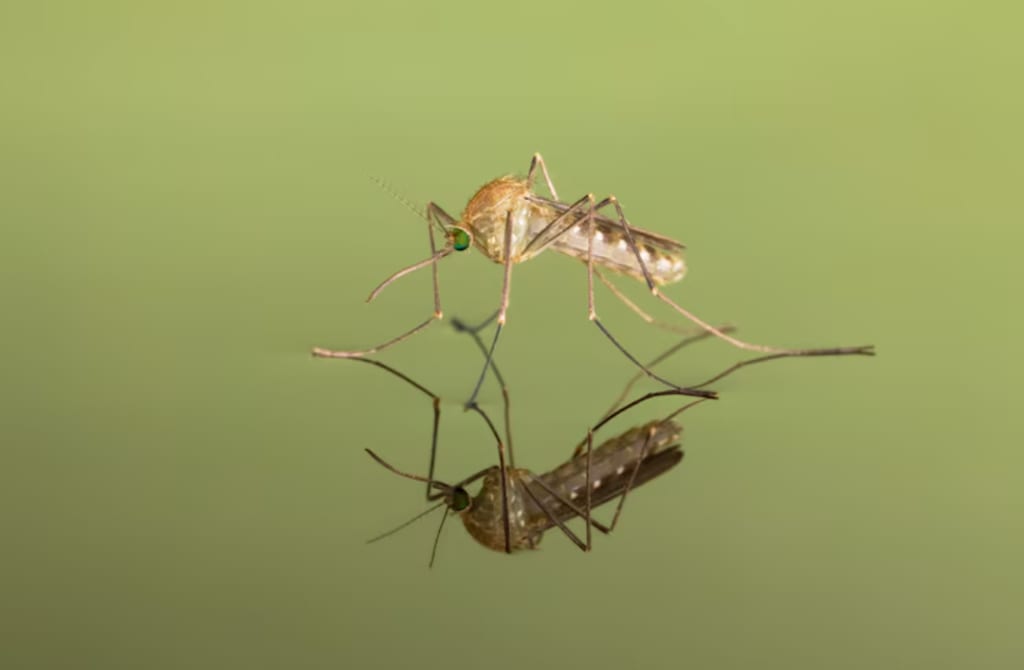
A world without mosquitoes would lead to significant changes across ecosystems, human health, and the environment. While mosquitoes are often seen as pests due to their role in spreading diseases like malaria, dengue, and Zika, they also play a vital role in various ecological functions. Here’s how different aspects of the world might change:
1.Ecosystems and Food Chains:
- Food Source:Mosquitoes are a crucial food source for many animals, including birds, bats, amphibians, and insects. Their larvae, which live in water, provide food for fish and other aquatic creatures. The loss of mosquitoes could disrupt these food chains, potentially leading to the decline of species that rely on them for sustenance.
- Pollination: Some mosquito species are pollinators, particularly of certain plants like orchids. Without mosquitoes, these plants might struggle to reproduce, leading to changes in local flora and the animals that depend on these plants.
2. Human Health:
- Reduced Disease Transmission: The most obvious benefit would be the reduction or elimination of diseases that mosquitoes spread, such as malaria, dengue fever, Zika virus, and yellow fever. This would significantly reduce mortality rates and improve quality of life in many regions, particularly in tropical and subtropical areas.
- Impact on Medical Research: Mosquitoes are also used in medical research, particularly in studies related to genetics, disease transmission, and ecology. The absence of mosquitoes might slow progress in these areas.
3. Environmental Impact:
- Altered Ecosystems: The removal of mosquitoes could have unforeseen consequences on ecosystems. For example, the extinction of certain mosquito species might lead to overpopulation of other insects or animals, which could then lead to overgrazing or changes in vegetation patterns.
- Water Quality: Mosquito larvae help in breaking down organic material in water, contributing to nutrient cycling. Their absence could affect water quality, potentially leading to the accumulation of organic matter and affecting aquatic ecosystems.
4. Agriculture and Livestock:
- Pest Control: Some mosquito species help control the population of other insects that are harmful to crops. Without mosquitoes, these pests might proliferate, potentially leading to increased use of pesticides and affecting crop yields.
- Livestock Health: Mosquitoes are vectors for diseases that affect livestock, such as Rift Valley fever. The disappearance of mosquitoes could lead to healthier livestock populations, improving agricultural productivity.
5. Economic Impact:
- Healthcare Savings: The reduction in mosquito-borne diseases would lead to significant savings in healthcare costs, particularly in regions where these diseases are endemic. Resources could be redirected towards other public health initiatives or development projects.
- Tourism Boost: Areas that are currently plagued by mosquitoes could see an increase in tourism if these pests were eliminated, boosting local economies.
6. Ethical Considerations:
- Conservation vs. Eradication: The ethical implications of deliberately eradicating a species, even one as seemingly harmful as mosquitoes, raise important questions. What right do humans have to decide the fate of an entire species? Would the benefits outweigh the potential ecological risks?
7. Potential Alternatives for Disease Control:Genetic Engineering: In the absence of mosquitoes, the drive for alternative methods of disease control might intensify. Genetic engineering, for instance, could be used to create mosquitoes that are unable to transmit diseases or to develop other species of insects that could take over some of the ecological roles that mosquitoes currently fill.Innovative Pest Control.
In summary, while a world without mosquitoes might seem appealing due to the immediate health benefits, the long-term ecological and environmental impacts could be profound and unpredictable. The complex interdependence of species within ecosystems means that the removal of mosquitoes could have cascading effects, some of which might not become apparent until much later.
About the Creator
RUMUMBA James
James Rumumba is a journalist and content creator known for his engaging storytelling and thorough reporting. His ability to simplify complex topics into captivating narratives has made him a respected voice in media.
Keep reading
More stories from RUMUMBA James and writers in Earth and other communities.
BRUSH STROKES OF LOVE: A CHANCE ENCOUNTER - PART THREE
The rain had softened to a gentle drizzle, and the mist clung to the cobbled streets like a delicate veil. Elena’s heart was still pounding from her unexpected encounter with David earlier in the art gallery. His presence had stirred something within her, a feeling she hadn’t allowed herself to acknowledge for years.
By RUMUMBA Jamesabout a year ago in Poets
Severe Cold Grips the Country as Hunza Records −21°C: Pakistan Faces a Deep Winter Freeze
A powerful cold wave has swept across Pakistan, plunging temperatures to alarming lows and turning daily life into a test of endurance for millions. The northern region of Hunza has recorded a bone-chilling −21°C, marking one of the coldest temperatures of the season and drawing national attention to the intensity of this winter. As icy winds cut through valleys and plains alike, the country is experiencing a severe cold spell that is affecting health, travel, agriculture, and energy supplies. Hunza at the Center of the Freeze Hunza, known worldwide for its breathtaking landscapes and serene beauty, has transformed into a frozen world. At −21°C, rivers partially freeze, roads become slippery, and even routine activities turn risky. Residents of the valley, though accustomed to harsh winters, describe this cold as unusually intense. Water pipelines have frozen solid, livestock require special care, and heating resources are stretched to their limits. Despite the extreme conditions, life continues. Locals rely on traditional methods of insulation, wood-burning stoves, and community cooperation to survive the cold nights. However, the severity of the temperature has raised concerns about vulnerable groups, including the elderly, children, and those living in remote areas with limited access to fuel and medical facilities. Cold Wave Spreads Across Pakistan While Hunza sits at the epicenter of the cold, the effects are being felt nationwide. Gilgit-Baltistan and parts of Khyber Pakhtunkhwa are experiencing sub-zero temperatures, while major cities like Islamabad, Lahore, and Karachi are facing unusually cold mornings and dense fog. In the plains, nighttime temperatures have dropped sharply, catching many residents off guard. The Pakistan Meteorological Department has warned that the cold wave may persist, driven by continental air systems moving southward. These systems not only lower temperatures but also increase the risk of frost, fog, and icy conditions on highways, disrupting travel and trade. Impact on Daily Life and Health Severe cold brings serious health risks, particularly for those without adequate shelter or heating. Hospitals in colder regions report an increase in patients suffering from hypothermia, respiratory infections, and flu-like illnesses. Doctors advise people to stay warm, avoid unnecessary exposure to cold, and ensure proper ventilation when using indoor heaters to prevent carbon monoxide poisoning. In urban areas, gas shortages and power outages have intensified the struggle. Many households face limited gas supply during peak morning and evening hours, forcing families to rely on electric heaters or alternative fuels. This increased demand places additional pressure on the national power grid, raising the risk of load shedding. Agriculture and Livelihoods Under Threat The cold wave poses a significant threat to agriculture, particularly winter crops and orchards. Frost can damage wheat fields, vegetables, and fruit trees, potentially impacting yields and farmers’ incomes. In northern areas, livestock owners are working hard to protect animals from the cold, as freezing temperatures can lead to illness and even death among cattle and sheep. Tourism, a vital source of income for regions like Hunza, has also been affected. While some tourists are drawn by the snow-covered scenery, many trips have been canceled due to dangerous road conditions and travel advisories. Local businesses, already facing economic challenges, are feeling the strain of reduced visitor numbers. Government Response and Preparedness Authorities across Pakistan have issued cold weather alerts and advisories, urging citizens to take precautionary measures. Disaster management agencies are monitoring the situation, particularly in northern and mountainous regions where access can be cut off due to snow and ice. Emergency services have been placed on high alert, and local administrations are working to ensure the availability of fuel, food supplies, and medical assistance. However, experts stress that long-term planning is essential, as extreme weather events are becoming more frequent due to climate change. Climate Change and Extreme Winters Meteorologists and climate scientists point out that while Pakistan has always experienced cold winters, the increasing intensity and unpredictability of such cold waves may be linked to broader climate patterns. Shifts in jet streams and changing atmospheric circulation can result in extreme cold spells in regions not always prepared for them. These events highlight the need for improved infrastructure, better energy management, and stronger disaster preparedness strategies to protect vulnerable populations. Resilience in the Face of the Cold Despite the freezing temperatures, stories of resilience continue to emerge. Communities in Hunza and other cold-hit areas are supporting one another, sharing firewood, food, and shelter. Volunteers and local organizations are stepping in to help those most in need, proving once again the strength of communal bonds in times of hardship. Conclusion As severe cold grips Pakistan and Hunza records a staggering −21°C, the country faces a challenging winter marked by health risks, energy shortages, and economic strain. Yet, amid the icy conditions, resilience and solidarity shine through. This cold wave serves as a reminder of nature’s power and the importance of preparedness, cooperation, and compassion in overcoming even the harshest winters.
By Fiaz Ahmed Brohi7 days ago in Earth
China Cracks Down on Ships Using Starlink
A New Front in China’s Technology Control China has intensified its crackdown on ships using Starlink, the satellite internet service operated by Elon Musk’s SpaceX, signaling a sharp escalation in Beijing’s efforts to control information flows and foreign technology. Authorities have warned commercial vessels, fishing boats, and private operators against using unapproved satellite communication systems, citing national security and data sovereignty concerns.
By Aarif Lashari3 days ago in Earth




Comments
There are no comments for this story
Be the first to respond and start the conversation.