
"The Volcanic Enigma: Unmasking the Hazards of Trash Disposal"
“A Fiery Environmental Quandary”
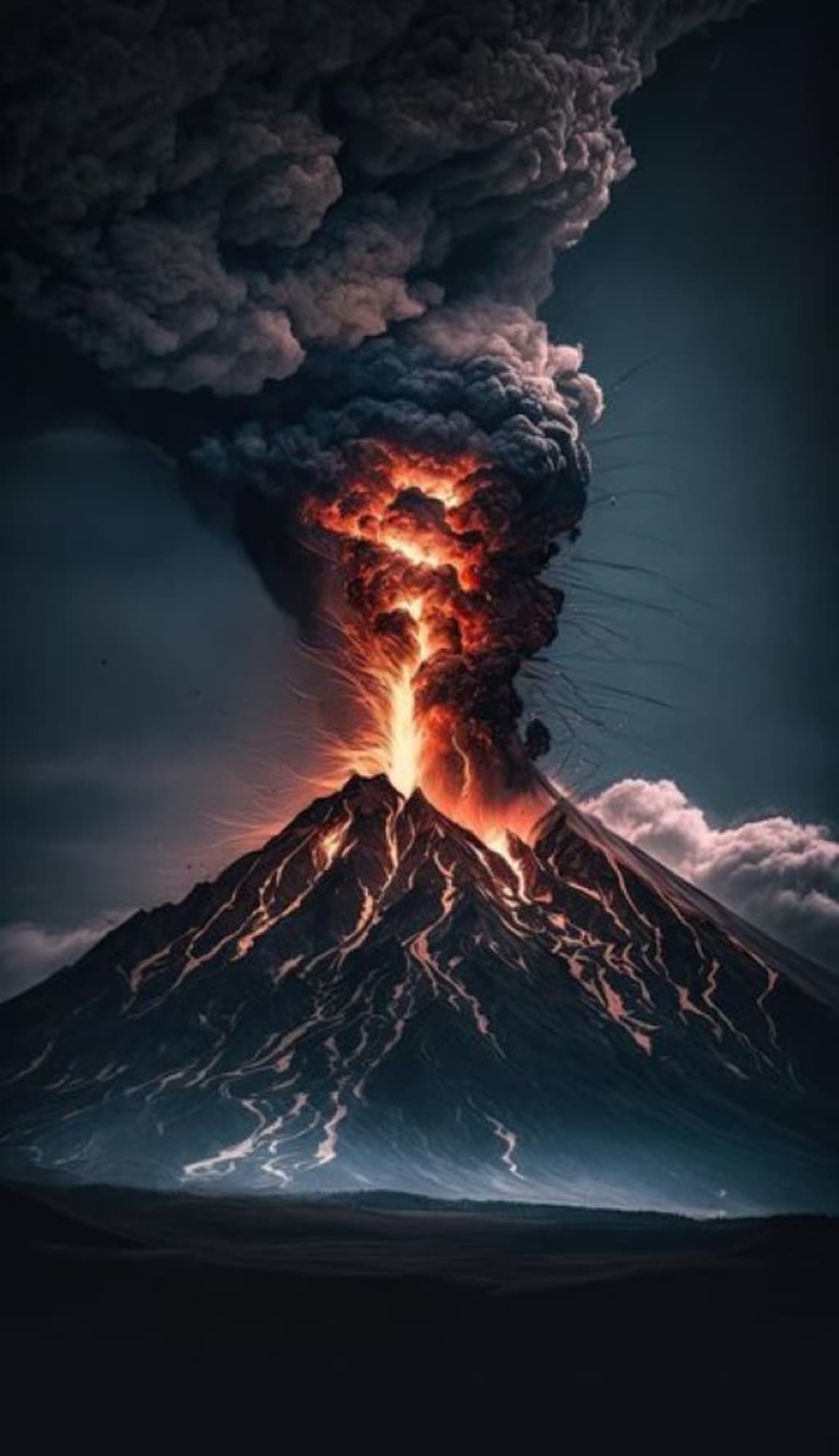
In the realm of waste disposal, exploring unconventional methods often seems enticing as we grapple with mounting environmental concerns. Picture this: you find yourself at the precipice of an active shield volcano, contemplating the audacious idea of discarding a truckload of refuse into its fiery abyss. It's a concept that may initially spark intrigue, but beneath the surface lies a complex and perilous narrative that unfolds when waste meets molten lava.
As trash makes contact with the scorching-hot lava within the crater, it sets off a stunning yet ominous chain reaction. In an instant, the refuse ignites in a mesmerizing blaze, sending billowing plumes of smoke and flames into the atmosphere. The ensuing spectacle releases a host of noxious gases and pollutants, primarily sulfur dioxide and carbon dioxide, which are notorious contributors to air pollution. These compounds pose substantial threats to human health and the environment, ushering in a myriad of detrimental consequences.
The Silent But Lethal Culprits: Sulfur Dioxide and Carbon Dioxide
Sulfur dioxide, a byproduct of volcanic activity and the incineration of trash, has well-documented detrimental effects on both human health and the environment. When inhaled, it can lead to respiratory problems, exacerbate pre-existing conditions such as asthma, and contribute to cardiovascular issues. Moreover, sulfur dioxide's corrosive nature can damage ecosystems, impairing vegetation and aquatic life.
Carbon dioxide, another prominent emission in this fiery encounter, further compounds the environmental woes. It not only contributes to climate change by enhancing the greenhouse effect but also poses immediate threats to human health when present in high concentrations. Prolonged exposure can lead to headaches, dizziness, and even suffocation, making it a grave concern in the vicinity of a volcanic garbage disposal site.
A Cloak of Toxicity: The Ominous Plume of Smoke
However, the repercussions do not conclude with the initial pyrotechnic display. Rather, the intense volcanic heat fails to entirely consume the waste, instead birthing a dense, inky plume of smoke. Laden with harmful particles, this toxic cloud becomes a malevolent specter carried far and wide by the wind's capricious whims.
As this noxious fog drifts over landscapes, it spells doom for air quality, exacerbating the woes of already beleaguered communities. The contamination extends beyond the air, infiltrating neighboring ecosystems, including bodies of water and agricultural lands. Aquatic habitats suffer from the deposition of particulate matter, affecting aquatic organisms, while agricultural productivity takes a hit as crops become tainted with pollutants. The far-reaching consequences of such an experiment are undeniable, bearing heavily on the very ecosystems that sustain us.
Dancing with Volcanic Uncertainty: Unpredictable Risks
Beyond the immediate environmental and health hazards, the inherent volatility of volcanic activity raises an even more alarming prospect. Volcanoes, by their very nature, are unpredictable entities. They can unleash sudden, cataclysmic eruptions or undergo abrupt behavioral shifts, sending shockwaves of destruction across their surroundings.
Depositing trash within an active volcano flirts with the possibility of triggering an eruption or inciting other hazardous events. Such outcomes would not only jeopardize the immediate vicinity but also extend their reach to nearby communities and infrastructure. The cataclysmic consequences of meddling with nature in this manner are far too dire to ignore.
The Ephemeral Solution: Transient Relief, Pervading Problems
Even if one were to surmount the formidable challenges and successfully funnel waste into the gaping maw of a shield volcano, it would offer naught but a fleeting respite. Volcanic activity, as nature dictates, is ephemeral and unpredictable. Inevitably, the once-fiery behemoth would quiet its eruptions, leaving behind a colossal mound of refuse, demanding attention and resolution.
In Conclusion: A Flawed Vision, A Dire Reality
In summary, the concept of employing volcanoes as an audacious solution to our burgeoning garbage problem may appear tempting at first glance. However, the stark reality is far from favorable. The potential threats to human health, the environment, and the capricious nature of volcanic behavior render it an impractical and destructive endeavor.
Instead of gambling with the consequences of such an ill-conceived scheme, our efforts should be directed towards embracing sustainable waste management practices. This includes a comprehensive approach encompassing recycling, waste reduction, and the development of innovative waste disposal technologies. By doing so, we can collectively work toward a cleaner and more sustainable future, leaving the volatile embrace of active volcanoes to the realm of fiction rather than a perilous reality.
About the Creator
Keep reading
More stories from Μarilena Κont and writers in Earth and other communities.
"Reversing Earth's Rotation"
In this intriguing thought experiment, we have explored the astonishing consequences of a reversed Earth rotation, which would undoubtedly reshape our planet in profound ways. As we continue to delve into the intricate changes that would occur under this hypothetical scenario, let's further expand upon the potential impacts and their far-reaching implications.
By Μarilena Κont2 years ago in Earth
Harmful Effects of the Environment
The environment is the natural world around us. It includes air, water, land, plants, animals, and all living and non-living things that support life on Earth. A healthy environment is very important for the survival and well-being of humans, animals, and plants. However, in recent years, the environment has been facing serious harm due to human activities. Pollution, deforestation, and climate change are some of the major environmental problems that are affecting the world today. These harmful effects are not only damaging nature but also creating serious challenges for human life.
By aadam khanabout 20 hours ago in Earth
Top tipple tricks
Been thinking a lot about drinking, lately. Not least because of a recent episode of over-indulgence and the inevitable after effects. Some readers may recall the earlier articles I wrote about beating the booze. Here I set out an experiment in techniques for cutting down on my alcohol intake. The experiment was successful, the techniques worked, and I have armed myself with an arsenal of weapons in the war against the demon drink. I have yet to fire the first round however. It's all a question of timing (perhaps procrastination).
By Raymond G. Taylor7 days ago in Psyche



Comments
There are no comments for this story
Be the first to respond and start the conversation.