
The Use Of Animals In Research
Ethical considerations regarding the use of animals for research purposes

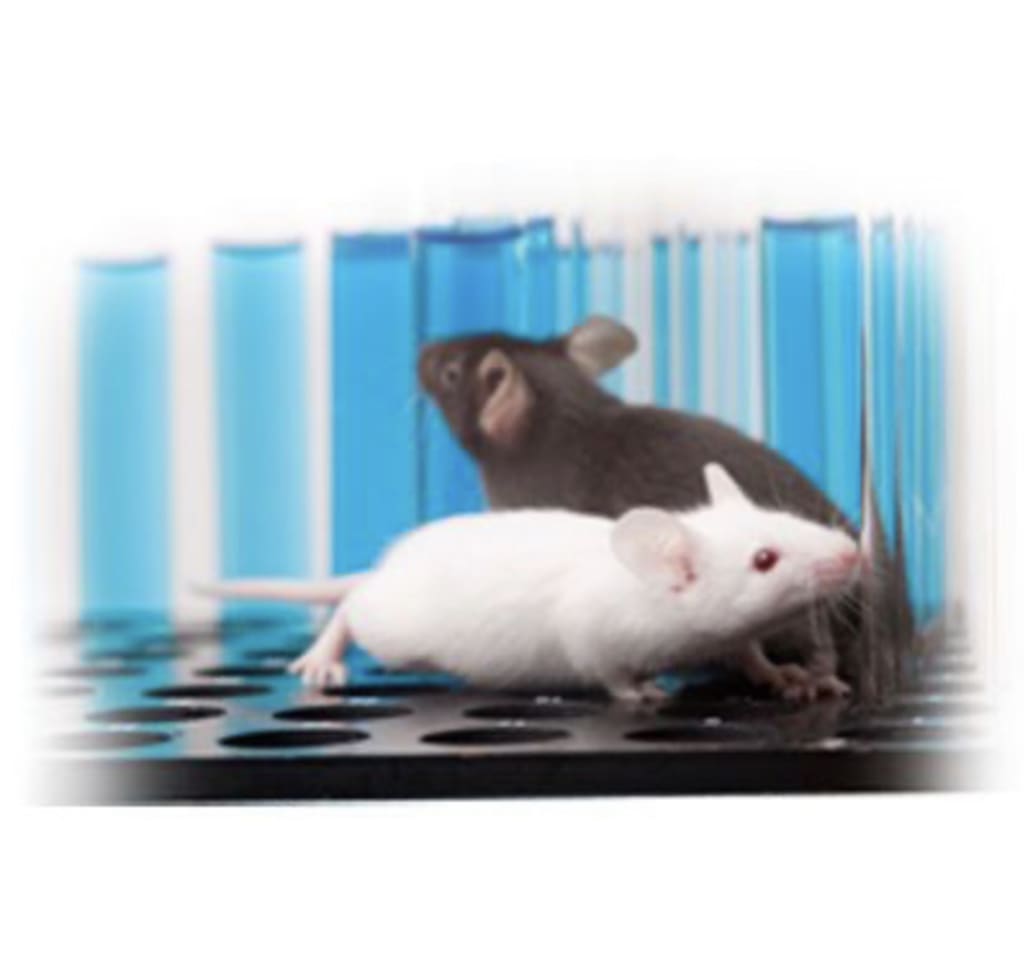
Supporters argue that under strict ethical guidelines and regulations, animal research can be ethically justifiable. They emphasize the potential benefits to both humans and animals that can arise from scientific discoveries made through research involving animals. Animal research has historically played a crucial role in medical advancements, including the development of life-saving medications, vaccines, surgical techniques, and treatments for various diseases.
Furthermore, proponents contend that in certain cases, there may currently be no viable alternatives to using animals in research. Animal models can provide valuable insights into biological processes, disease mechanisms, and potential treatment options that cannot be replicated through other means. These studies may contribute to a better understanding of complex diseases and the development of new therapeutic approaches.
Many argue that stringent regulations and ethical oversight must be in place to ensure the welfare of animals involved in research. Ethical review boards, animal care committees, and animal welfare acts enforce guidelines to minimize any potential suffering and ensure the responsible and humane treatment of animals. Researchers are also encouraged to explore alternatives, reduce the number of animals used, and refine experimental procedures to minimize harm.
Ultimately, the ethics of using animals for research purposes involve weighing the potential benefits to human and animal welfare against the moral consideration of animal rights and suffering. Society must continue to evolve and develop alternative research methods, but until effective alternatives are available, proponents argue that animal research can be conducted in an ethically responsible manner to advance scientific knowledge and improve medical treatments.
Different individuals and ethical frameworks may provide varying perspectives on the matter. Some may argue that the protection of human lives and public health takes precedence over the potential harm caused to animals in research. They may justify these actions by highlighting the importance of finding effective treatments and vaccines against dangerous diseases, such as smallpox. They might emphasize the potential benefits to society and argue that the welfare of a larger number of people outweighs the harm to a smaller number of animals.
On the other hand, there are those who believe that animals, including our closest biological relatives, possess intrinsic value and should be treated with respect and consideration. They argue that it is ethically important to protect and care for animals, including avoiding causing them unnecessary harm in the pursuit of scientific progress. They may advocate for the exploration of alternative research methods that do not involve harming animals, or for increased efforts in developing advanced models, such as human-based research or computer simulations.
It is important to carefully consider the potential benefits, the extent of harm caused to the animals, the feasibility of alternative approaches, and the welfare and rights of both humans and animals involved. Engaging in open dialogue with relevant stakeholders, including research ethics committees, scientists, animal welfare experts, and society at large, can greatly assist in making an informed and ethical decision.
Ultimately, making decisions in situations like these requires balancing the interests, ethical considerations, and safety of all involved parties. It is an ongoing ethical discussion that aims to responsibly navigate the tension between advancing scientific knowledge and ensuring the welfare of animals.
It is important to carefully justify the rationale behind your decision-making process and consider a wide array of relevant factors, such as potential harms, benefits, alternatives, uncertainties, and stakeholder perspectives. Reflecting on the long-term consequences, values, and ethical principles involved can assist in arriving at a well-justified decision.
Navigating ethically complex scenarios requires thoughtful reflection, interdisciplinary discussions, and a consideration of both the quantitative and qualitative aspects of the situation. Reflecting on the long-term consequences, values, and ethical principles involved can assist in arriving at a well-justified decision.
About the Creator
Marlene Silvio
I am a daughter, mother, friend, and colleague. I enjoy being in nature as it is a refreshing and rejuvenating experience. Psychology is a fascinating field that delves into understanding human behavior and the mind.
Keep reading
More stories from Marlene Silvio and writers in Earth and other communities.
Survival
It's interesting how the adaptability of life can be reflected in something as intricate as a spider web. Adaptations indeed play a crucial role in the survival and success of organisms. They are the result of the process of natural selection, where traits that provide an advantage in a particular environment are favored and passed on to future generations.
By Marlene Silvio2 years ago in Earth
Australia Horticulture Market 2026: Climate-Smart Farming, Export Demand & Agri-Tech Innovation
Australia Horticulture Market Overview Australia’s horticulture market plays a crucial role in the country’s agricultural economy, supplying fresh fruits, vegetables, nuts, flowers and nursery products to both domestic and international markets. The sector is widely recognized for high-quality produce, strong biosecurity standards and advanced farming practices. Growing consumer demand for nutritious foods, expanding export opportunities and continuous technological innovation in agriculture are driving sustained development across Australia’s horticulture industry.
By Amyra Singh8 days ago in Earth



Comments
There are no comments for this story
Be the first to respond and start the conversation.