
The Urgency of Climate Change: A Call to Action
"Addressing the Impacts and Finding Solutions for a Sustainable Future."
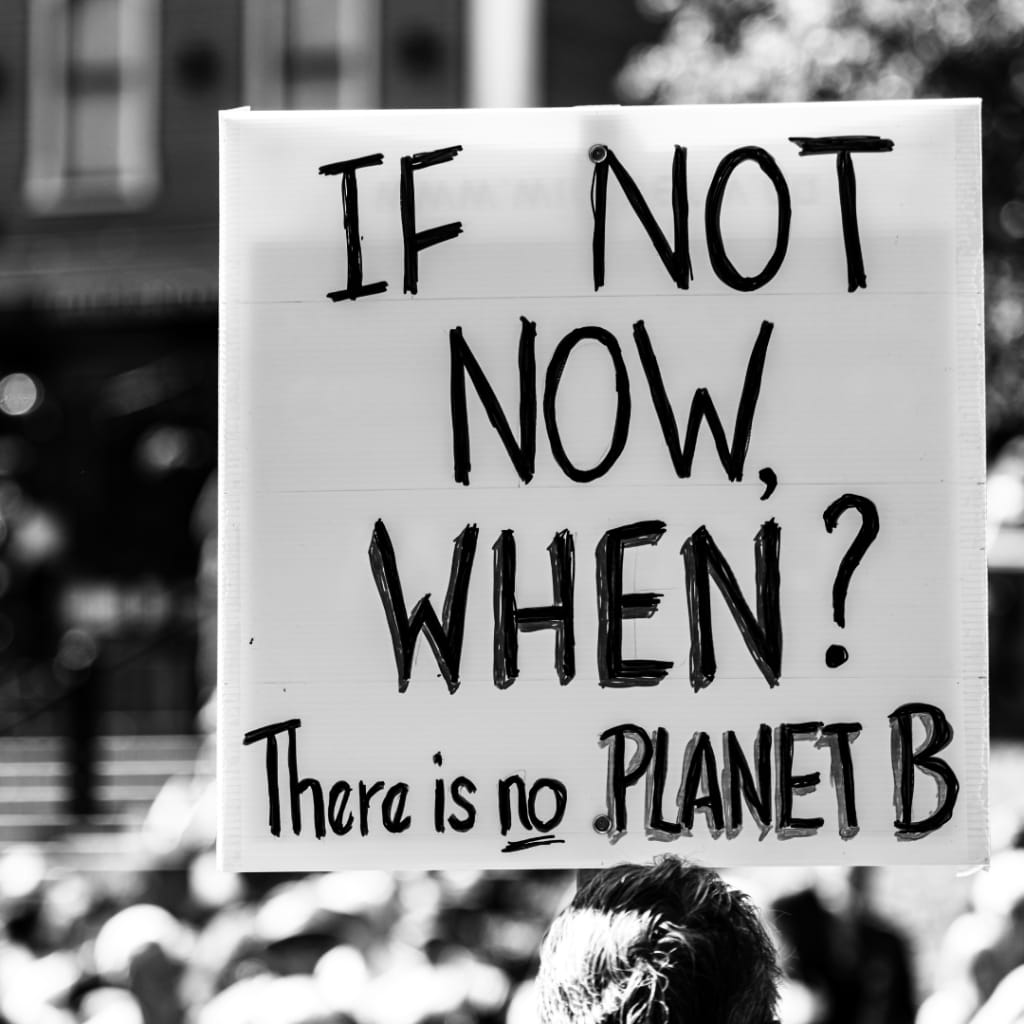
Climate change is one of the most pressing issues facing the world today. It is a long-term shift in global weather patterns that are caused by human activity, such as the burning of fossil fuels, deforestation, and other forms of pollution. The effects of climate change are far-reaching and can have devastating impacts on ecosystems, economies, and societies around the world.
One of the most visible effects of climate change is the rising global temperature. The average temperature of the Earth has increased by 1.1 degrees Celsius since the late 19th century, and the trend is expected to continue. This warming trend is causing a wide range of impacts, such as melting glaciers, rising sea levels, and more frequent and intense heat waves. These changes can have a significant impact on coastal communities, which are at risk of flooding and erosion, as well as on agriculture, which depends on stable weather patterns for successful crop production.
Another major impact of climate change is the shifting of global weather patterns. This includes changes in precipitation patterns, increased frequency and intensity of extreme weather events, and alterations in the timing and duration of seasonal weather patterns. These changes can have far-reaching impacts on ecosystems, wildlife, and human communities, leading to disrupted migration patterns, habitat loss, and increased competition for resources.
The effects of climate change are also having a significant impact on the world's oceans. Rising temperatures and changes in ocean currents are leading to changes in the distribution and abundance of marine species, which can have far-reaching impacts on food webs and ocean ecosystems. Additionally, increased levels of atmospheric carbon dioxide are leading to ocean acidification, which is making it more difficult for marine species to form shells and skeletons.
The consequences of climate change are not limited to the natural world, however. It is also having a significant impact on economies and societies around the world. For example, extreme weather events and sea level rise are leading to increased costs associated with disaster relief, infrastructure repair, and insurance. Climate change is also leading to increased competition for resources, such as water and food, which can lead to conflict and political instability in vulnerable regions.
To address the issue of climate change, it is essential that we take action at both the local and global levels. This includes reducing our greenhouse gas emissions, such as carbon dioxide and methane, through the use of renewable energy sources, energy efficiency measures, and other forms of pollution control. It is also important that we work to reduce deforestation and other forms of habitat destruction, which can contribute to global warming and the loss of biodiversity.
At the local level, individuals can make a difference by reducing their own carbon footprint. This can be done by making simple changes in their daily habits, such as reducing energy consumption, using public transportation, and eating a more plant-based diet. Additionally, individuals can get involved in local and national efforts to reduce greenhouse gas emissions and promote sustainable practices.
Conclusion:
Climate change is one of the most pressing issues facing the world today. It is a long-term shift in global weather patterns that is causing widespread impacts on ecosystems, economies, and societies around the world. To address the issue, it is essential that we take action at both the local and global levels, reducing our greenhouse gas emissions, promoting sustainable practices, and protecting the world's ecosystems and wildlife. By working together, we can ensure that future generations inherit a world that is healthy, vibrant, and sustainable. With a promising future of theirs.
About the Creator
Keep reading
More stories from Parthosh Raj R and writers in Earth and other communities.
Sustainable Development and Green Technology for a Better Future
The world is facing a growing environmental crisis, with climate change, pollution, and resource depletion threatening the health and well-being of people and ecosystems around the globe. In response to these challenges, there has been a growing focus on sustainable development and the use of green technology to create a better future for all. Sustainable development and green technology offer a path forward, providing a framework for reducing our impact on the environment while promoting economic growth and social well-being. In this article, we will explore the concept of sustainable development and green technology and their potential for creating a better future.
By Parthosh Raj R3 years ago in Earth
Seven Earth-Sized Planets Discovered Beyond Our Solar System
In one of the most exciting breakthroughs in modern astronomy, scientists have discovered a system of seven Earth-sized planets orbiting a distant star. This extraordinary finding has captured global attention because several of these planets exist in the “habitable zone,” where conditions may allow liquid water to exist. The discovery not only expands our understanding of planetary systems but also strengthens the possibility that life might exist beyond our solar system.
By Irshad Abbasi 7 days ago in Earth



Comments
There are no comments for this story
Be the first to respond and start the conversation.