
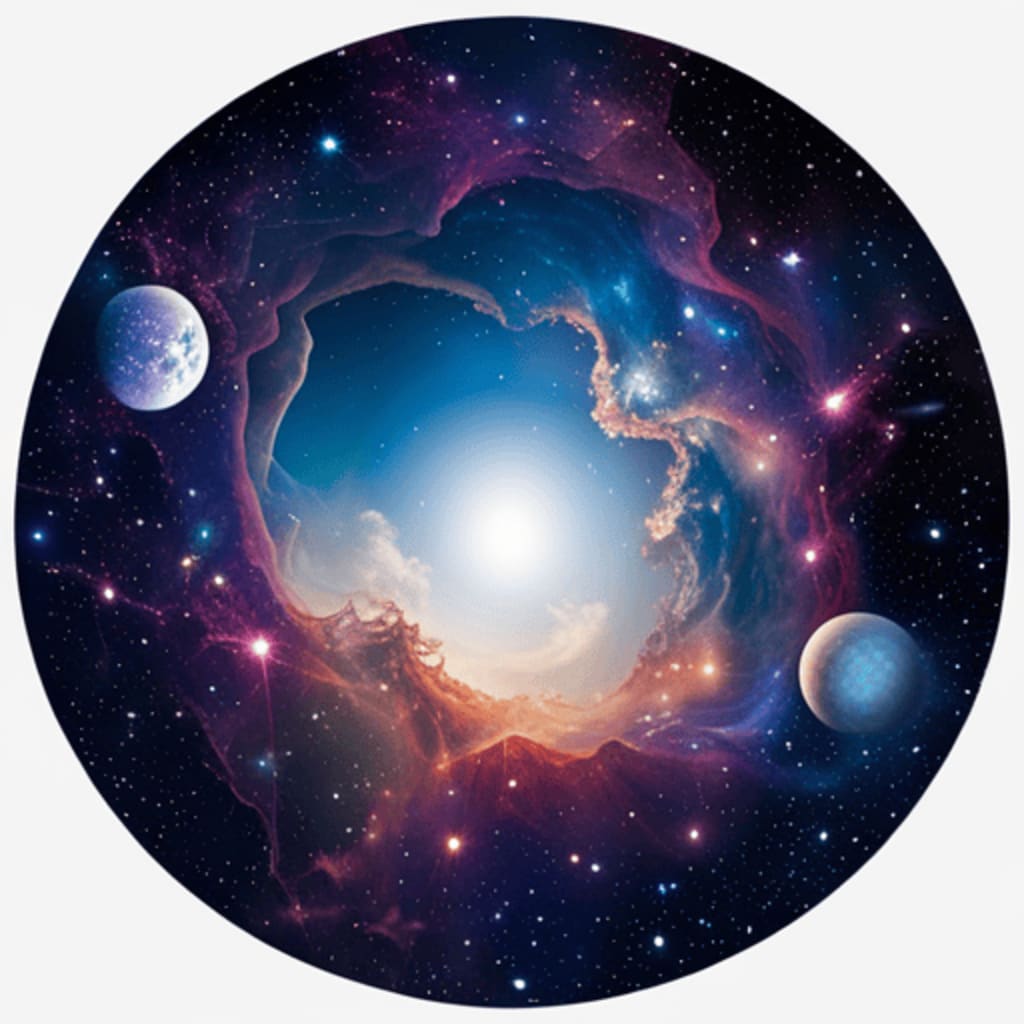
The universe is a vast and mysterious place. It is so big that we can barely comprehend its size. It is also so old that we can barely imagine its age.
But even though the universe is vast and mysterious, we have learned a lot about it over the years. We know that it is made up of billions of galaxies, each containing billions of stars. We also know that the universe is expanding, and that it is getting older all the time.
But what is the origin of the universe? How did it come to be? These are questions that have puzzled scientists for centuries.
One theory about the origin of the universe is the Big Bang theory. The Big Bang theory states that the universe began with a massive explosion about 13.8 billion years ago. This explosion caused the universe to expand and cool, and it eventually led to the formation of stars and galaxies.
Another theory about the origin of the universe is the Steady State theory. The Steady State theory states that the universe has always existed, and that it has always been expanding. However, the Steady State theory has been largely discredited by modern observations.
So what is the true origin of the universe? We may never know for sure. But the search for the origin of the universe is one of the most important questions in science. It is a question that has the potential to change our understanding of the universe itself.
The Beginning
The universe began with a bang. A colossal explosion that shook the very fabric of space and time. In an instant, the universe was born.
At first, the universe was incredibly hot and dense. But as it expanded, it cooled and began to form stars and galaxies. Over billions of years, the universe evolved into the vast and complex place that we see today.
The Stars
The stars are the lifeblood of the universe. They are the source of light and heat, and they are essential for the formation of planets and life.
There are billions of stars in the universe, each with its own unique story. Some stars are born in giant clouds of gas and dust, while others are formed when two stars collide.
Stars live for billions of years, but eventually they all die. Some stars end their lives in a supernova explosion, while others simply fade away.
The Planets
The planets are the next stage in the evolution of the universe. They are formed when the debris left over from the formation of stars coalesces into solid objects.
There are billions of planets in the universe, but only a small fraction of them are capable of supporting life. Earth is one of those planets, and it is the only one that we know of that is home to life.
The Life
Life is the most complex and mysterious thing in the universe. We do not know how life began, but we do know that it is incredibly resilient.
Life has been found on Earth in the most extreme environments, from the frozen deserts of Antarctica to the boiling hot springs of Yellowstone National Park.
We believe that life may exist elsewhere in the universe, but we have yet to find any concrete evidence. However, the search for extraterrestrial life is one of the most exciting and important quests in science.
The Future
The universe is a vast and mysterious place, and we have only just begun to explore it. We do not know what the future holds, but we can be sure that it will be full of surprises.
The universe is constantly changing and evolving, and we are only just beginning to understand its true nature. We may never know everything about the universe, but that does not mean that we should stop exploring.
The universe is a gift, and it is our duty to learn as much about it as we can. We owe it to ourselves, and to future generations, to explore the universe and discover its secrets.
The end.
About the Creator
We Outpaced the Soil
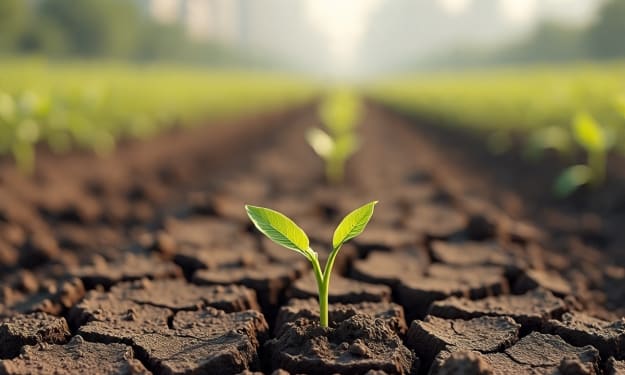
We learned how to move faster than the ground beneath us. At first, it felt like progress. Roads unrolled like promises, machines hummed with the confidence of certainty, and cities rose as if the earth itself had agreed to carry our weight. We measured time in minutes saved, distances conquered, yields multiplied. We learned to outpace the seasons, to outsmart rain, to hurry seeds into obedience. We learned to treat the soil like a resource instead of a relationship.
By Jhon smithabout 15 hours ago in Earth



Comments
There are no comments for this story
Be the first to respond and start the conversation.