
The Uninhabitable Earth Facing the Harsh Realities of a Changing Climate
Exploring the Dire Consequences of Climate Change and Urgent Actions We Must Take to Mitigate Its Effects
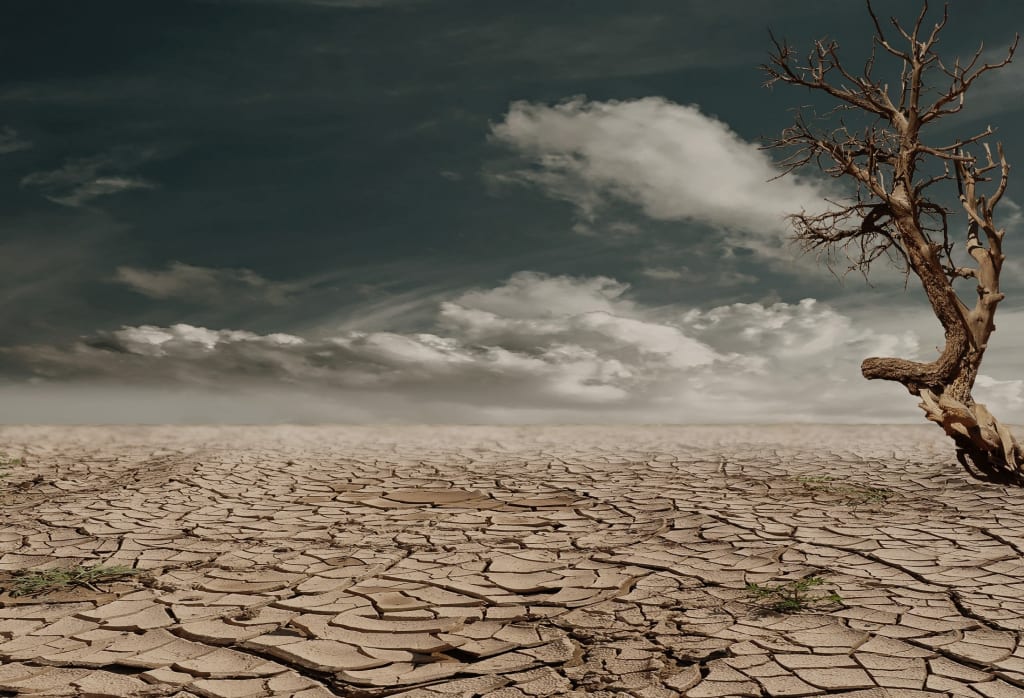
The Uninhabitable Earth: Facing the Harsh Realities of a Changing Climate
Climate change is one of the most pressing issues facing humanity today. As the Earth’s temperature continues to rise, we are witnessing the devastating consequences of climate change, including extreme weather events, rising sea levels, and the loss of biodiversity. In his book "The Uninhabitable Earth", journalist David Wallace-Wells explores the dire consequences of climate change and the urgent actions that must be taken to mitigate its effects.
Wallace-Wells paints a grim picture of the future, predicting that climate change will lead to mass extinctions, economic collapse, and political instability. He argues that we are underestimating the severity and speed of climate change, and that the window for action is rapidly closing. The book is a call to action, urging individuals, governments, and businesses to take immediate and drastic measures to combat climate change.
One of the key messages of "The Uninhabitable Earth" is that climate change is not a distant threat, but a present reality. We are already experiencing the effects of climate change, from wildfires and hurricanes to droughts and floods. Wallace-Wells warns that we must act quickly to prevent the worst-case scenarios, which could include the collapse of civilization as we know it.
Another important message of the book is that the effects of climate change are not evenly distributed. Those who are most vulnerable, including low-income communities, people of color, and residents of developing countries, are likely to be hit the hardest. Wallace-Wells argues that we must take a global approach to climate change, and ensure that those who are most affected receive the resources and support they need to adapt and survive.
"The Uninhabitable Earth" also highlights the role of fossil fuels in driving climate change. The burning of coal, oil, and gas is the largest contributor to greenhouse gas emissions, which trap heat in the atmosphere and cause the planet to warm. Wallace-Wells argues that we must transition to clean energy sources, such as wind and solar power, and reduce our dependence on fossil fuels. This will require significant changes to our energy infrastructure, as well as changes in our consumption patterns and lifestyles.
Despite the bleak picture painted by "The Uninhabitable Earth", the book also offers hope. Wallace-Wells argues that it is still possible to avoid the worst-case scenarios of climate change, if we act quickly and decisively. He points to examples of successful climate action, such as the rapid expansion of renewable energy in Germany and the UK, and the growth of the electric vehicle market in China.
Ultimately, "The Uninhabitable Earth" is a wake-up call, urging us to take action to address the urgent threat of climate change. It challenges us to think beyond our own interests and consider the impact of our actions on future generations and the planet as a whole. It reminds us that we have the power to make a difference, and that the time to act is now.
In conclusion, "The Uninhabitable Earth" is a powerful and sobering account of the consequences of climate change. It is a call to action, urging us to take bold and urgent measures to address the urgent threat of climate change. While the task ahead is daunting, the book offers hope that we can still avoid the worst-case scenarios of climate change, if we act quickly and decisively. By working together By working together,we can create a more sustainable and equitable future for all.us
About the Creator
shaham
I am A To be a successful article writer, one must have excellent writing skills, the ability to Work independently and under tight deadlines, and a deep understanding of the subject matter
At Least 22 Dead as Crane Collapses Onto Train in Thailand
Thailand has been plunged into mourning after a devastating accident in which a construction crane collapsed onto a moving passenger train, killing at least 22 people and injuring dozens more. The incident, described by officials as one of the deadliest infrastructure-related accidents in recent years, has raised urgent questions about construction safety, urban development, and oversight in the country.
By Aarif Lashari3 days ago in Earth



Comments
There are no comments for this story
Be the first to respond and start the conversation.