
The Ultimate Snake Plant Care Guide: Hard to Kill, Easy to Love
Easy-to-follow guide to caring for Sansevieria (Dracaena), the perfect resilient houseplant for any home.

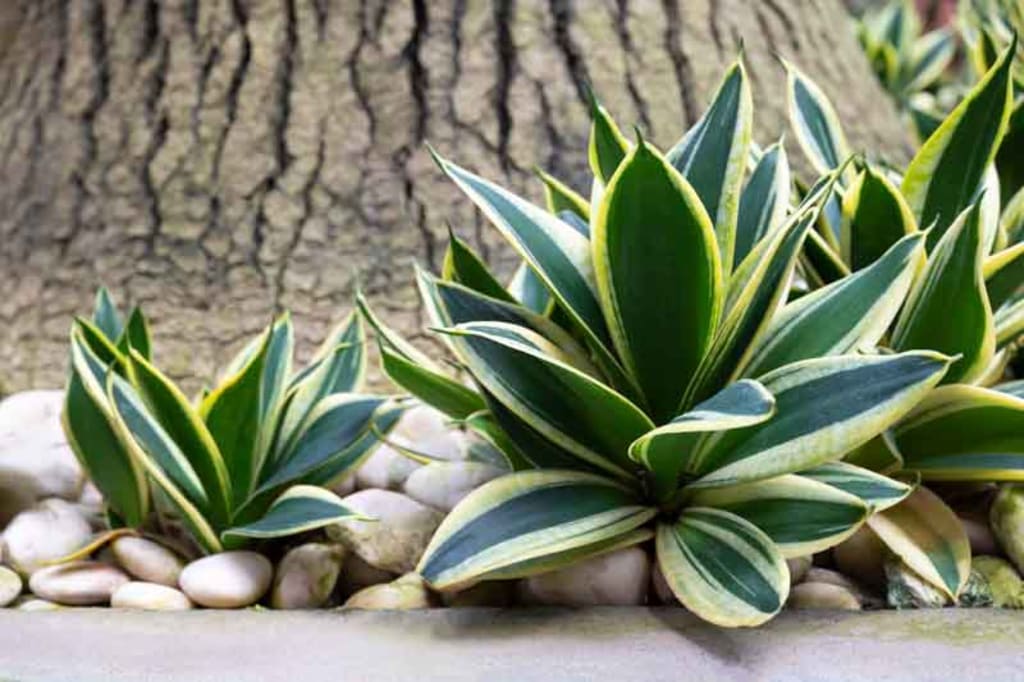
There’s a reason you see snake plants everywhere—from sleek office lobbies to cozy, sun-drenched living rooms. Their architectural spears of green and gold seem to silently defy neglect, earning them a reputation as the ultimate “hard to kill” houseplant. But what if we shifted that perspective? In my years of working with plants and data at AI Plant Finder, I’ve learned that the most rewarding relationships with our green companions aren’t built on mere survival, but on understanding. The snake plant (now botanically reclassified as Dracaena, though we all still call it Sansevieria) isn’t just surviving your care; it’s thriving on a biological logic all its own. This guide is your key to moving from simply keeping it alive to helping it flourish, deepening that easy love with a little expert insight.
The Unfussy Philosophy: Why the Snake Plant Is Your Perfect Ally
The snake plant’s resilience isn’t magic—it’s evolution. Hailing from arid regions of West Africa, it has mastered the art of patience. Its thick, succulent leaves store water, allowing it to endure dry spells that would wilt other plants. This built-in hydration system is the core of its easy-going nature. It’s the plant that forgives your busy week, your vacation, or your occasional forgetfulness. For a community of creators and plant lovers, it’s the ideal low-maintenance companion that provides steady, calming greenery without demanding constant attention, allowing you to focus on your passions.
The Core Elements of Care: Light, Water, and Soil
Mastering these three elements is the entirety of the snake plant’s simple language. Get these right, and you’ve unlocked the secret to its legendary hardiness.
Light: It’s More Adaptable Than You Think
While it tolerates low light, the snake plant truly prefers bright, indirect light. In these conditions, growth is more robust, and the vibrant variegation on varieties like ‘Laurentii’ or ‘Moonshine’ becomes more pronounced. A spot a few feet back from a south or east-facing window is ideal. It will absolutely survive in a darker corner, but its growth will slow to a crawl. The one thing to avoid is prolonged, harsh direct afternoon sun, which can scorch the leaves.
Water: The Golden Rule is Neglect
This is the most critical care aspect. Overwatering is the single fastest way to harm a snake plant. You must let the soil dry out completely between waterings. In practice, during the growing season (spring and summer), this might mean watering every 2-4 weeks. In the dormant fall and winter, it could stretch to once a month or even less. Always check the soil first—stick your finger an inch or two down. If it’s dry, it’s time to water; if it’s damp, wait. When you do water, do so thoroughly until water runs from the drainage hole, then empty the saucer.
Soil and Potting: The Foundation for Health
A well-draining, gritty soil mix is non-negotiable. A standard cactus or succulent potting mix is perfect. You can make your own by blending regular potting soil with plenty of perlite or coarse sand. The pot must have a drainage hole. Snake plants enjoy being slightly root-bound, so you only need to repot every 2-3 years, or when you see roots circling the bottom or cracking the pot.
Propagation and Troubleshooting: Sharing the Love
One of the great joys of the snake plant is how easily you can create new plants to share with fellow creators in your community—a perfect metaphor for supporting one another’s growth.
How to Propagate:
The simplest method is by leaf cuttings. Cut a healthy leaf into 2-3 inch segments, noting which end was the bottom. Let the cut ends callous over for a day or two, then plant them about an inch deep in moist cactus mix. Alternatively, you can divide a mature plant at the root ball during repotting, ensuring each new section has at least one rhizome (the thick, root-like stem) and a few leaves.
Reading the Leaves: Common Signs and Solutions
- Yellow, Mushy Leaves: A classic sign of overwatering. Check the roots for rot (they’ll be brown and soft), cut away any affected parts, repot in fresh dry soil, and adjust your watering schedule.
- Brown, Crispy Tips: Usually caused by underwatering or extremely low humidity. While it tolerates dry air, occasional misting or a humidifier nearby can help, especially in winter.
- Leaning or Falling Over: This can be due to insufficient light (the plant is stretching) or overwatering (which weakens the root structure). Assess light levels and check the soil moisture.
A Final Thought: More Than Just Decor
The snake plant does more than just sit there looking handsome. NASA’s Clean Air Study famously highlighted its ability to filter common household toxins like formaldehyde and benzene from the air, making it a functional piece of living decor. But beyond the science, it offers something else: a sense of quiet accomplishment and stability. In a world and a creative life that can often feel chaotic, its steady, structured presence is a gentle reminder of resilience. It’s a plant that doesn’t just survive alongside you; it quietly endorses your own growth, making it not just hard to kill, but genuinely easy to love and share within a supportive community.
About the Creator
Emma Wallace
Director of Research and Development at AI Plant Finder (Author)
Emma Wallace is an esteemed researcher and developer with a background in botany and data analytics.
Keep reading
More stories from Emma Wallace and writers in Earth and other communities.
Gothic Gardening: Embracing Drama with Dark Foliage and Flowers
There is a garden aesthetic that rejects the bright and cheerful in favor of the mysterious and dramatic. It embraces shadows rather than sunlight, depth rather than dazzle. It finds beauty in darkness—in leaves the color of aged wine, in flowers so deep purple they appear black, in forms that suggest ancient forests and moonlit mysteries.
By Emma Wallace4 days ago in Earth
The Ongoing Search for Water on Mars
For decades, scientists have been fascinated by the possibility of water on Mars. Known for its dry, dusty landscape and reddish appearance, Mars was once thought to be a completely barren world. However, modern discoveries have revealed that the planet may have once had abundant water—and scientists are still searching for evidence of it today.
By Irshad Abbasi 5 days ago in Earth


Comments
There are no comments for this story
Be the first to respond and start the conversation.