
The Tragic story of the famouse meteorite
The event most of people don,t know
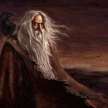

Deep within the American Museum of Natural History in New York rests an immense iron meteorite. Originating from Northwest Greenland, it crashed to Earth around 10,000 years ago, serving as a vital resource for a small tribe of indigenous Greenlanders, the Inuit, for centuries. These resourceful people crafted metal-tipped tools and weapons from this celestial debris. However, the meteorite's journey took an unexpected turn when an American explorer, driven by fame and fortune, transported it across the Arctic and sailed it to New York to sell to the museum.
Yet, the colossal iron meteorite wasn't the sole import on that fateful 1897 journey. Alongside it, six Inuit individuals, enticed by promises of returning home within a year, laden with weapons and tools, agreed to be studied by the museum. Tragically, most of them would never return.
The story unfolds against the backdrop of history, where acquiring iron was dependent on space-borne meteorites, a concept mirrored in ancient Egypt and embraced by indigenous groups like the Inuit. The Inuit, particularly the Polar Inu, residing in the harshest Arctic conditions, utilized meteoric iron for survival.
The narrative takes a significant turn in 1818 when British Explorer John Ross encounters the Inuit, discovering their use of iron from a nearby mountain. Subsequent European explorations in the 1800s failed to locate this elusive Iron Mountain.
Fast forward to 1897, when American Explorer Robert Peary arrives in Greenland, driven by the quest for the North Pole. Peary, navigating Inuit culture, acquired not only furs and ivory but also access to the coveted iron meteorite. In exchange for guns, an Inuit guide led Peary to the meteorite, eventually transporting it to New York.
Peary's triumphant return to the U.S. included not only the meteorite but also six Inuit individuals, promising them care and compensation. However, upon arrival, their health deteriorated rapidly due to exposure to a warmer climate and unfamiliar diseases. Tragically, most of them succumbed to illness, and the promises made to them were never fulfilled.
One survivor, Minik, the young son of a deceased Inuit hunter, found himself abandoned in New York. Peary, leaving for further expeditions, never returned for Minik. The American Museum of Natural History, enriched by the meteorite and Inuit artifacts, maintained an exploitative silence. Minik, adopting the name Man Wallace under foster care, grew up discovering the unsettling truth about his father's fate.
In 1907, Manik publicly revealed the exploitation, lies, and mistreatment he and his people endured at the hands of Peary and the museum. However, justice remained elusive. Manik eventually returned to Greenland, leaving behind the injustice in New York. His attempt to reconcile with his roots and identity faced challenges, but he persevered.
Manik, renamed Man Wallace, eventually passed away in 1918 during the influenza pandemic. His foster family's hardships in New York, financial struggles, and Manik's call for justice went unanswered by the museum. The remains of Inuit individuals, including Manik's father, were held for nearly a century until public pressure forced the museum to return them to Greenland in 1993.
While the museum has acknowledged the unethical actions surrounding Manik's story, the meteorite, symbolizing exploitation and false promises, still stands proudly on display. The tale of Manik, Peary, and the meteorite serves as a poignant reminder of historical injustices and the need for museums to confront their past.
The average number of deaths from an asteroid impact is estimated at about 1,000 per year but that figure relates to a billion people killed by one massive asteroid impact every few million years, rather than 1,000 people dying from smaller impacts each year.
May God Keep us all save and alive and healthy (Amen)
About the Creator
The Story Teller
Hii.... Relax and read into things which are unknown stories which are untold Enjoy ((
Keep reading
More stories from The Story Teller and writers in Earth and other communities.
What was Earth like in age of giant Insects?
The Carboniferous period, approximately 300 million years ago, was indeed a time of significant transformation on Earth, marked by the dominance of extensive swamps, warm humid forests, and the evolution of unique and giant-sized life forms. Here's a breakdown of some key aspects of this fascinating period:
By The Story Teller2 years ago in Earth
Flagship New Baltic Train Station Set for Significant Delays
The highly anticipated Baltic train station project, intended to serve as a flagship transport hub, is facing substantial delays, according to recent announcements from project officials and city authorities. The station, designed to be a major node connecting local, regional, and international rail services, was initially scheduled to open in mid-2026. However, construction setbacks, supply chain disruptions, and regulatory hurdles have pushed back the expected completion date.
By Aarif Lashariabout 17 hours ago in Earth
Wall Street–Backed Landlords Become a Rare Target for Both Trump and Democrats
In an era of deep political polarization, agreement between Donald Trump and Democratic leaders is increasingly rare. Yet one issue has unexpectedly drawn criticism from both sides of the aisle: Wall Street–backed landlords. As housing affordability reaches crisis levels across the United States, large investment firms that own thousands of rental properties are facing growing political scrutiny—from conservatives and progressives alike.
By Muhammad Hassan2 days ago in Earth




Comments (1)
it's written well and packed with useful information.