
The Timeless Beauty of Korean Architecture: Harmony in Tradition and Innovation
From Ancient Palaces to Cutting-Edge Designs, Explore Korea’s Architectural Legacy

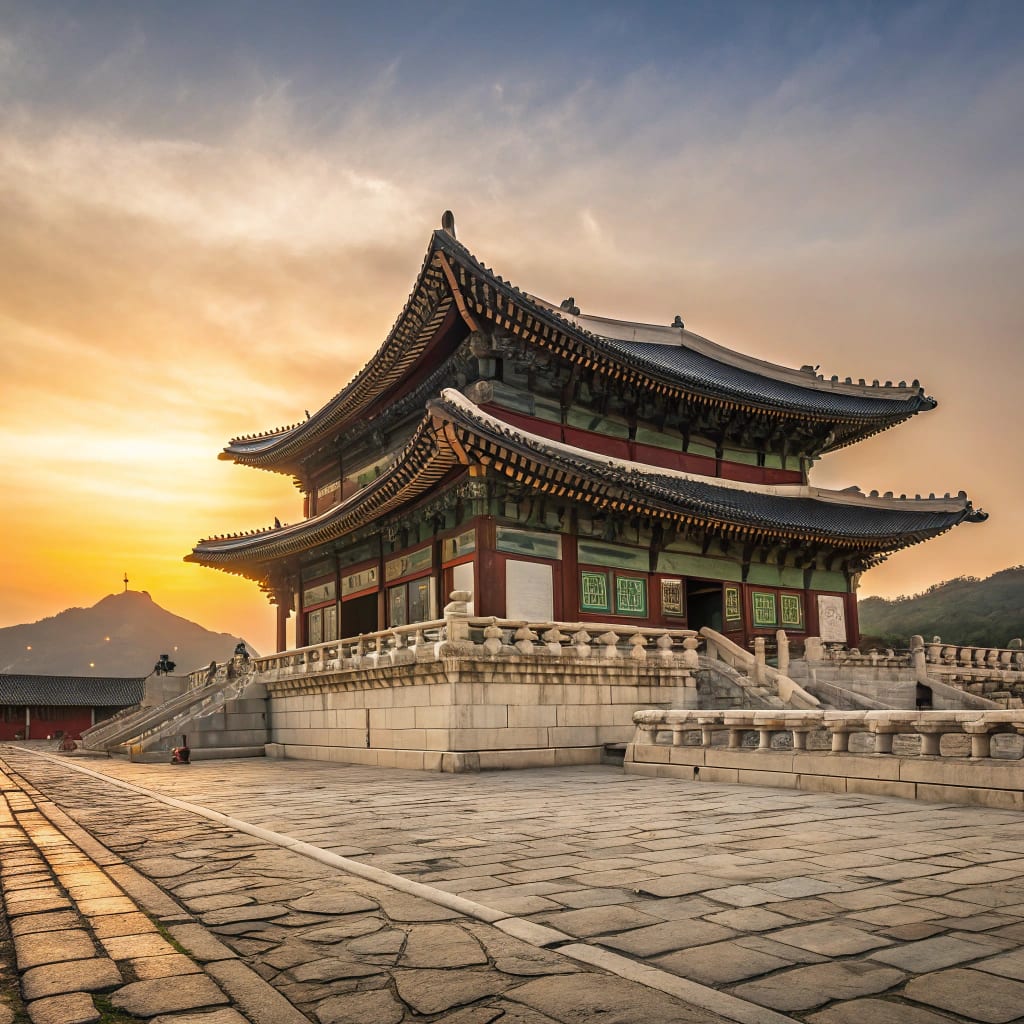
Korean architecture is a captivating fusion of elegance, functionality, and harmony with nature, reflecting the peninsula’s rich cultural heritage and forward-thinking vision. Rooted in Confucian, Buddhist, and shamanistic principles, it emphasizes balance, simplicity, and environmental integration. From ancient hanok villages to sleek modern skyscrapers, Korea’s architectural marvels tell a story of resilience and creativity. This post highlights five iconic examples of Korean architecture, each showcasing the nation’s ability to blend tradition with modernity in powerful, visually stunning ways. Embark on a journey through Korea’s architectural masterpieces, where history and innovation converge.
1. Gyeongbokgung Palace, Seoul: Royal Splendor
Gyeongbokgung, built in 1395 during the Joseon Dynasty, is Seoul’s grandest palace and a pinnacle of Korean architecture. Its symmetrical layout, with wooden pavilions and tiled roofs, reflects Confucian ideals of order and hierarchy. The Geunjeongjeon Hall, with its intricate dancheong (multicolored paintwork), served as the throne hall, while the Gyeonghoeru Pavilion, set on a lotus pond, symbolizes harmony with nature. Restored after Japanese invasions, Gyeongbokgung offers a window into Korea’s royal past, blending aesthetic grace with cultural depth, making it a must-visit for history enthusiasts.
2. Bulguksa Temple, Gyeongju: Buddhist Serenity
Bulguksa Temple, a UNESCO World Heritage Site built in 774, is a masterpiece of Korean Buddhist architecture. Located in Gyeongju, the ancient Silla capital, its stone foundations and wooden structures, like the Dabotap and Seokgatap pagodas, embody the balance between permanence and transience. The temple’s curved roofs and vibrant dancheong patterns harmonize with the surrounding mountains, reflecting Buddhist cosmology. Bulguksa’s serene courtyards and intricate details invite contemplation, offering profound insights into Korea’s spiritual heritage and architectural precision.
3. Bukchon Hanok Village, Seoul: Timeless Vernacular
Bukchon Hanok Village, nestled in Seoul, preserves traditional Korean hanok houses from the Joseon era. These low, wooden homes with ondol (underfloor heating) and tiled roofs are designed for harmony with nature, using natural materials like wood and clay. Their curved rooflines and open courtyards create a sense of fluidity, blending urban life with rural tranquility. Bukchon’s narrow alleys, lined with hanoks now housing cafes and galleries, showcase Korea’s ability to preserve tradition while adapting to modern needs, offering a living lesson in sustainable design.
4. Hwaseong Fortress, Suwon: Defensive Ingenuity
Hwaseong Fortress, a UNESCO site built in 1796, is a remarkable example of Joseon military architecture. Designed by scholar Jeong Yakyong, it combines Eastern and Western influences, with stone walls, watchtowers, and floodgates engineered for defense and aesthetics. The fortress’s Suwoncheon Stream and Hwaseong Haenggung Palace create a harmonious blend of functionality and beauty. Its innovative design, including advanced pulley systems, reflects Korea’s scientific prowess. Visiting Hwaseong offers a glimpse into Korea’s strategic and architectural brilliance, set against a backdrop of scenic hills.
5. Lotte World Tower, Seoul: Modern Ambition
The Lotte World Tower, completed in 2017, is South Korea’s tallest skyscraper at 555 meters and a symbol of its modern architectural ambition. Designed by Kohn Pedersen Fox, its sleek, tapering form draws inspiration from traditional Korean ceramics, blending cultural motifs with cutting-edge engineering. The tower’s glass facade, sky deck, and sustainable features, like energy-efficient systems, reflect Korea’s focus on innovation and urban progress. Its panoramic views of Seoul embody the nation’s dynamic spirit, making it a landmark of Korea’s global architectural influence.
Conclusion: Korea’s Architectural Soul
Korean architecture is a powerful narrative of harmony, resilience, and innovation. From Gyeongbokgung’s royal grandeur to Bulguksa’s spiritual serenity, Bukchon’s timeless hanoks, Hwaseong’s defensive ingenuity, and Lotte World Tower’s modern elegance, each structure reflects Korea’s ability to weave tradition with progress. These architectural gems invite exploration, offering profound insights into a culture that values balance and creativity. Whether you’re captivated by ancient craftsmanship or contemporary design, Korea’s architectural legacy is a vibrant journey of discovery, resonating with beauty and wisdom.
About the Creator
Arjun. S. Gaikwad
Truth Writing unveils reality beyond illusion, power, and propaganda words that awaken conscience and challenge comfort. Fearless, honest, and thought-provoking, it explores politics, humanity, and spirit to inspire awareness and change.
Keep reading
More stories from Arjun. S. Gaikwad and writers in Earth and other communities.
The Elegance of Japanese Architecture: A Symphony of Simplicity and Serenity
Japanese architecture is a captivating blend of simplicity, harmony, and innovation, reflecting the nation’s deep-rooted philosophies and aesthetic sensibilities. Rooted in Shinto and Buddhist principles, it emphasizes balance with nature, meticulous craftsmanship, and timeless elegance. From ancient wooden shrines to cutting-edge urban designs, Japan’s architectural legacy is both profoundly spiritual and strikingly modern. This post explores five iconic examples of Japanese architecture, each a testament to the country’s ability to create spaces that inspire awe and introspection. Journey through Japan’s architectural wonders, where tradition and innovation dance in perfect harmony.
By Arjun. S. Gaikwad6 months ago in Earth
Birds with Wild Hairdos
Cockatoos are known for their expressive crests, which they raise or lower depending on their mood. The crests can be white, yellow, or pink. These charismatic birds are native to the Australian continent, the islands of the Indo-Australian archipelago, and parts of New Guinea. There are 21 different species of cockatoo, varying in size from the diminutive Galah to the imposing Sulphur-crested Cockatoo. Most cockatoo species are highly social birds, forming strong pair bonds that often last a lifetime. Cockatoos are primarily herbivores, with a diet consisting of seeds, nuts, fruits, roots, and occasionally insects and larvae.
By Rasma Raistersa day ago in Earth
Regenerative Agriculture's Quiet Revolution
by Futoshi Tachino Regenerative agriculture — a holistic approach to farming that restores soil health, biodiversity, and resilience — has rapidly gained traction in recent years. This shift remains largely underappreciated by the public; in a 2024 survey, around 43% of U.S. consumers had never heard of regenerative agriculture (and another 28% had only minimal awareness) [4]. Despite this low profile, tangible developments in regenerative farming are delivering robust results. Farmers are proving that it’s possible to maintain high yields with fewer chemical inputs, improve profitability, and enhance ecological outcomes — all at once. This article explores the evidence-backed progress of regenerative agriculture across regions, the policies and technologies driving its adoption, and why this overlooked sustainability success story deserves greater recognition.
By Futoshi Tachino7 days ago in Earth


Comments
There are no comments for this story
Be the first to respond and start the conversation.