
The Terrarium Toolkit: AI Helps You Build and Maintain a Miniature World
There is a special magic in building a terrarium. You assemble layers of earth, carefully position tiny plants, and add decorative stones, culminating in the moment you place the glass lid or front panel. You've created more than a decoration; you've built a miniature, self-contained world. Yet, weeks later, that world can become clouded—literally. Condensation obscures the view, mold appears on the soil, or a once-vibrant plant turns to mush. The delicate balance you sought has tipped.

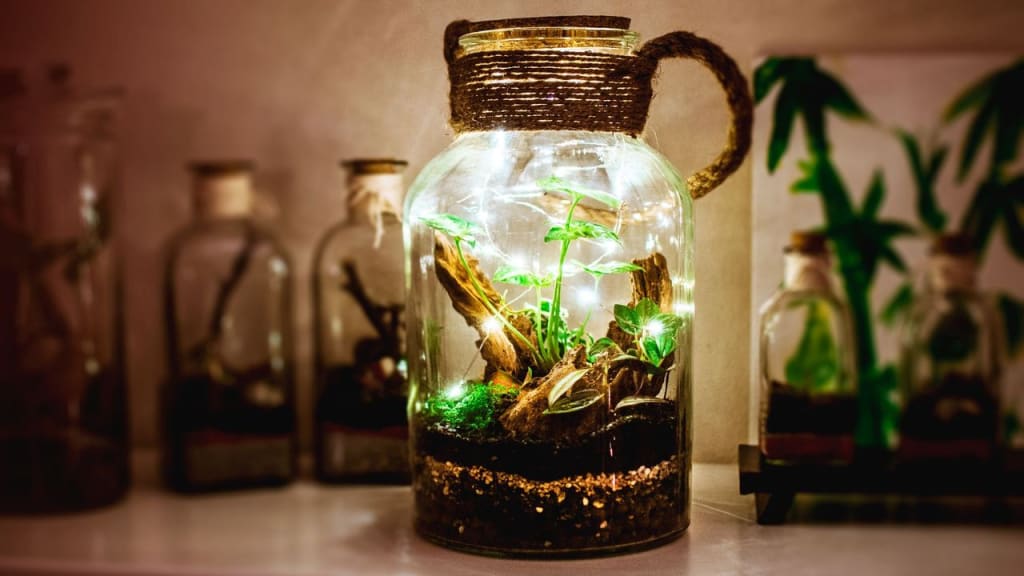
You assemble layers of earth, carefully position tiny plants, and add decorative stones, culminating in the moment you place the glass lid or front panel. You've created more than a decoration; you've built a miniature, self-contained world. Yet, weeks later, that world can become clouded—literally. Condensation obscures the view, mold appears on the soil, or a once-vibrant plant turns to mush. The delicate balance you sought has tipped.
Terrariums are beautiful lessons in ecology, where light, moisture, and growth exist in a fragile equilibrium. Success requires understanding this balance. Fortunately, you're not alone in managing this micro-world. Modern tools, including plant care AI, can act as your digital guide, helping you design, plant, and maintain a thriving terrarium ecosystem.
The Foundation: Understanding Your Terrarium's Type
Before you select a single plant or pebble, you must decide on the world's very climate. This choice dictates everything that follows.
- Closed Terrariums: Sealed with a lid, these create a humid, tropical environment. Water evaporates, condenses on the glass, and rains back down in a miniature water cycle. They are perfect for moisture-loving plants like mosses, ferns, and Fittonia, but require careful monitoring to prevent excessive moisture.
- Open Terrariums: Without a lid, these have more air circulation and lower humidity. They are ideal for plants that prefer drier conditions, such as succulents, air plants, and cacti. Watering is more manual, as there is no recycling system.
Phase 1: The Planning & Design Stage
Curating Your Plant Palette
The key to a harmonious terrarium is choosing plants that share the same light and water needs. A cactus will rot alongside a fern. Think in terms of roles:
- The Thriller: A focal point plant with height or striking structure (e.g., a small Bird's Nest Fern).
- The Filler: Mid-sized plants that add bulk and texture (e.g., Polka Dot Plant, miniature Peperomia).
- The Spiller: Vines or trailing plants that cascade over edges (e.g., Baby's Tears, String of Pearls for open terrariums).
The Tool & Material Checklist
Gathering everything beforehand makes the process seamless:
- Container: Clear glass, cleaned thoroughly.
- Drainage Layer: Pebbles or Leca clay balls.
- Separation Layer: Horticultural charcoal (filters water, prevents odor).
- Soil Layer: A well-draining potting mix, specific to your plants (e.g., cactus mix for open terrariums).
- Tools: Long tweezers, miniature trowel, a spoon, a misting bottle.
- Decorative Elements: Small stones, moss, figurines.
Phase 2: The Construction & Planting Stage
Follow these layers meticulously to build a healthy foundation:
- The Drainage Layer: Add a 1-2 inch layer of pebbles. This is crucial to prevent plant roots from sitting in water.
- The Charcoal Layer: Sprinkle a thin layer of activated charcoal over the pebbles to keep the ecosystem fresh.
- The Soil Layer: Add enough soil for plant roots to be fully buried. Slope it for visual interest.
- The Planting: Use your tools to dig small holes. Gently remove plants from their pots, tease the roots, and place them. Start with the largest plant first. Firm the soil around them.
- The Finishing Touches: Add sheet moss to cover bare soil, then place decorative elements. Use a soft brush to clean soil from plant leaves and the glass.
Phase 3: The AI-Assisted Maintenance & Troubleshooting Stage
A terrarium is a dynamic system. Here’s how to maintain balance and use AI to solve common problems.
General Maintenance Wisdom:
- Watering: Closed terrariums need very little. If no condensation is visible on the glass for several days, add a tablespoon of water. Open terrariums need light watering when soil is dry.
- Pruning: Trim plants that grow too large to maintain balance and aesthetics.
- Cleaning: Wipe the glass interior with a microfiber cloth to remove mineral deposits and algae.
Building a terrarium is an exercise in creative patience. By blending your vision with the data-driven insights of a tool like AI Plant Finder, you move from hopeful experimentation to informed creation. The app acts as your 24/7 ecology consultant, helping you select the right residents, diagnose the first signs of imbalance, and receive tailored care reminders for your unique miniature world. So, gather your glass, gather your greens, and let technology help you craft and sustain a tiny, thriving planet of your own.
About the Creator
Emma Wallace
Director of Research and Development at AI Plant Finder (Author)
Emma Wallace is an esteemed researcher and developer with a background in botany and data analytics.
Keep reading
More stories from Emma Wallace and writers in Earth and other communities.
The Watering Wisdom: AI Creates a Custom Schedule Based on Your Home's Environment
The quest for the perfect watering routine is the holy grail of houseplant care. It’s a dynamic equation with variables that change with the seasons, your home’s climate, and even the plant's growth cycle. But what if you could stop guessing? Modern plant care, powered by artificial intelligence, is moving beyond static advice to create dynamic, personalized watering wisdom that responds to your environment.
By Emma Wallacea day ago in Earth
Australia Agricultural Biologicals Market 2026: Sustainable Farming, Crop Protection & Biological Innovation
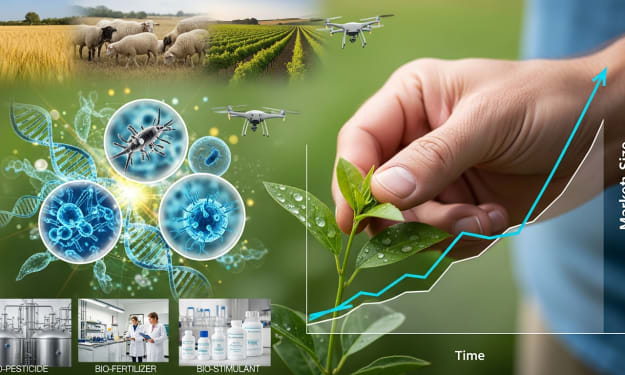
Australia Agricultural Biologicals Market Overview The Australia agricultural biologicals market is gaining steady momentum as farmers, agribusinesses and policymakers increasingly focus on sustainable crop production and environmentally responsible farming practices. Agricultural biologicals include products derived from natural sources such as microorganisms, beneficial insects, plant extracts and naturally occurring compounds. These products are used for crop protection, soil enhancement and plant growth promotion, offering alternatives or complements to conventional chemical inputs. According to IMARC Group, the Australia agricultural biologicals market size reached USD 218 Million in 2025. Looking forward, IMARC Group expects the market to reach USD 680 Million by 2034, exhibiting a growth rate (CAGR) of 13.5% during 2026-2034. This growth reflects increasing adoption of integrated pest management, rising demand for residue-free produce and expanding organic and regenerative farming practices.
By Amyra Singh2 days ago in Earth
‘Ransom Note’ for Kidnapped Mother of Today Show Host Sent to TMZ
A disturbing development has emerged in a high-profile kidnapping case after a ransom note allegedly connected to the kidnapped mother of a Today Show host was reportedly sent to celebrity news outlet TMZ. The situation has sparked widespread public concern, media scrutiny, and renewed debate about the ethics of reporting on sensitive criminal cases involving victims and their families.
By Aarif Lashari2 days ago in Earth
Self Help: Grifters' Gospel
On Self-Help, Snake Oil, and the Illusion of Change Psychology professionals and students can be imagined on two opposite sides of a line called self-help books: likely a larger group opposes pop-science and step-by-step manuals filled with talk of success, journaling, and not giving a f**k; others love them, but they aren’t many.
By Avocado Nunzella BSc (Psych) -- M.A.P 4 days ago in BookClub



Comments
There are no comments for this story
Be the first to respond and start the conversation.