
The Splendor of Indian Architecture: A Tapestry of Divinity and Diversity
From Ancient Temples to Modern Icons, Explore India’s Architectural Marvels

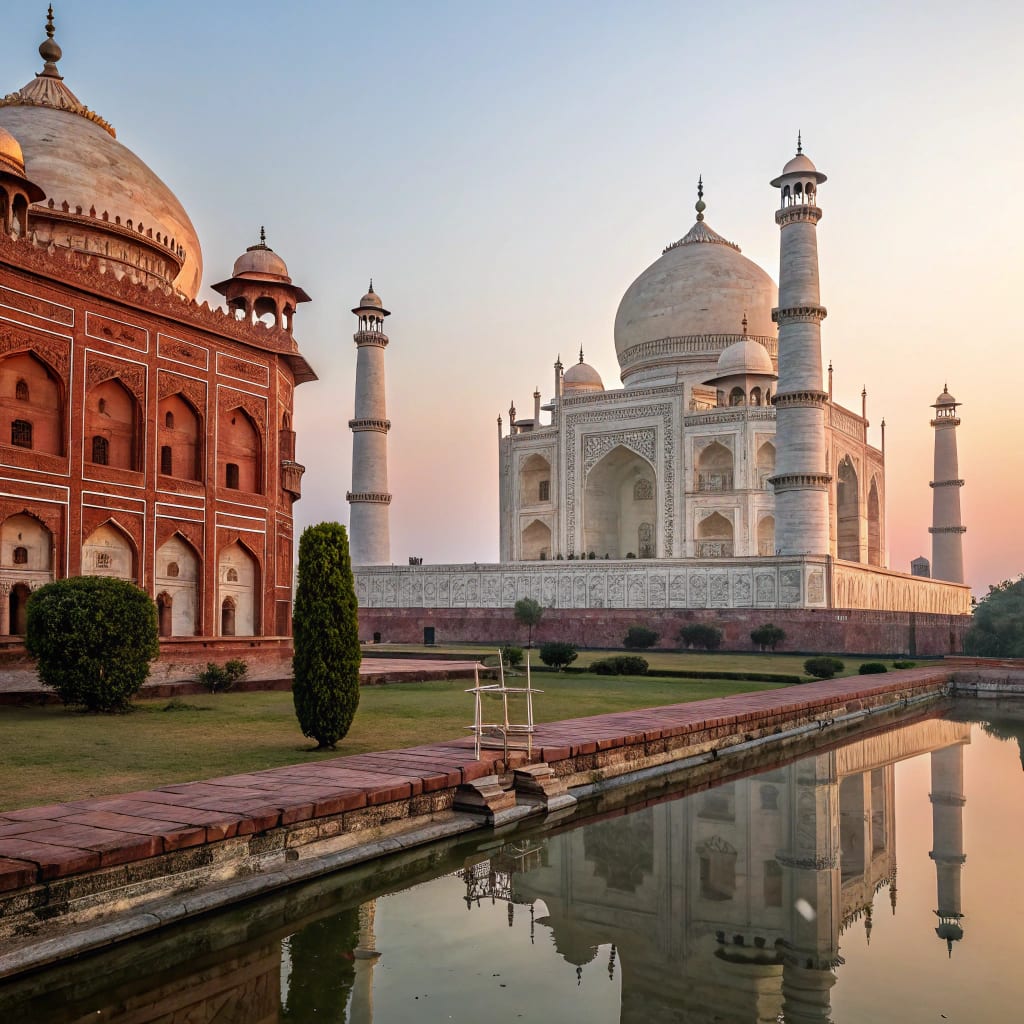
Indian architecture is a vibrant reflection of the nation’s rich history, spiritual depth, and cultural diversity, weaving together ancient craftsmanship with modern innovation. Rooted in Hindu, Buddhist, Jain, Mughal, and colonial influences, it embodies a unique blend of symbolism, functionality, and aesthetic grandeur. From intricately carved temples to soaring contemporary structures, India’s architectural legacy is a testament to its enduring creativity and philosophical richness. This post highlights five iconic examples of Indian architecture, each a masterpiece that captivates the eye and enriches the mind. Embark on a journey through India’s architectural wonders, where tradition and progress intertwine.
1. Taj Mahal, Agra: A Monument of Eternal Love
The Taj Mahal, a UNESCO World Heritage Site built in 1632 by Emperor Shah Jahan, is the pinnacle of Mughal architecture. This white marble mausoleum, dedicated to Mumtaz Mahal, blends Persian, Islamic, and Indian elements with its symmetrical domes, minarets, and intricate jali screens. The reflective pools and charbagh gardens enhance its ethereal beauty, symbolizing paradise. The Taj’s use of pietra dura inlays and Quranic calligraphy reflects unmatched craftsmanship. Visiting at dawn, when its marble glows, reveals a profound blend of love, artistry, and spiritual depth, making it a global icon.
2. Khajuraho Temples, Madhya Pradesh: Sculpted Divinity
The Khajuraho Temples, built between the 9th and 11th centuries by the Chandela dynasty, are a UNESCO site renowned for their erotic and divine carvings. These Hindu and Jain temples, like the Kandariya Mahadeva, feature soaring shikhara spires and intricate sandstone sculptures depicting gods, nymphs, and daily life. Their nagara-style architecture reflects cosmic harmony, with layouts mirroring mandalas. The temples’ blend of spirituality and sensuality offers insights into medieval India’s open-minded philosophy, making Khajuraho a captivating study of art and devotion.
3. Hampi, Karnataka: Ruins of an Empire
Hampi, the 14th-century capital of the Vijayanagara Empire and a UNESCO site, is a sprawling open-air museum of Dravidian architecture. Its Virupaksha Temple, with its towering gopuram, and the Vitthala Temple’s stone chariot showcase South India’s sculptural prowess. Built among boulder-strewn hills, Hampi’s temples, markets, and aqueducts reflect a harmonious blend with nature. The site’s monolithic carvings and innovative engineering reveal the empire’s wealth and creativity, offering a poignant glimpse into India’s medieval grandeur and resilience.
4. Jaipur’s Hawa Mahal: The Palace of Winds
Built in 1799, Jaipur’s Hawa Mahal is a stunning example of Rajput architecture with Mughal influences. This five-story pink sandstone palace, designed as a honeycomb with 953 jali windows, allowed royal women to observe street life while remaining unseen. Its delicate latticework ensures natural ventilation, blending beauty with functionality. Part of Jaipur’s City Palace complex, Hawa Mahal reflects Rajasthan’s vibrant culture and architectural ingenuity. Its rosy facade, glowing at sunset, embodies India’s ability to create structures that are both poetic and practical.
5. Lotus Temple, Delhi: Modern Spiritual Serenity
The Lotus Temple, completed in 1986, is a Bahá’í House of Worship and a modern architectural marvel. Designed by Fariborz Sahba, its 27 marble petals form a lotus flower, symbolizing purity and unity. The temple’s minimalist design, open to all faiths, features a serene interior with natural light filtering through its petals. Surrounded by tranquil gardens, it reflects India’s embrace of inclusivity and innovation. The Lotus Temple’s futuristic aesthetic and sustainable design make it a beacon of contemporary Indian architecture, inspiring spiritual and intellectual reflection.
Conclusion: India’s Architectural Odyssey
Indian architecture is a powerful narrative of diversity, spirituality, and innovation. From the Taj Mahal’s timeless elegance to Khajuraho’s sculpted divinity, Hampi’s imperial ruins, Hawa Mahal’s poetic charm, and the Lotus Temple’s modern serenity, each structure tells a story of cultural richness and artistic genius. These architectural wonders invite exploration, offering profound insights into India’s history, philosophy, and creativity. Whether you’re drawn to ancient craftsmanship or contemporary design, India’s architectural legacy is a vibrant journey that resonates with beauty, wisdom, and unity.
About the Creator
Arjun. S. Gaikwad
Truth Writing unveils reality beyond illusion, power, and propaganda words that awaken conscience and challenge comfort. Fearless, honest, and thought-provoking, it explores politics, humanity, and spirit to inspire awareness and change.
Keep reading
More stories from Arjun. S. Gaikwad and writers in Earth and other communities.
The Timeless Beauty of Korean Architecture: Harmony in Tradition and Innovation
Korean architecture is a captivating fusion of elegance, functionality, and harmony with nature, reflecting the peninsula’s rich cultural heritage and forward-thinking vision. Rooted in Confucian, Buddhist, and shamanistic principles, it emphasizes balance, simplicity, and environmental integration. From ancient hanok villages to sleek modern skyscrapers, Korea’s architectural marvels tell a story of resilience and creativity. This post highlights five iconic examples of Korean architecture, each showcasing the nation’s ability to blend tradition with modernity in powerful, visually stunning ways. Embark on a journey through Korea’s architectural masterpieces, where history and innovation converge.
By Arjun. S. Gaikwad6 months ago in Earth
The Plant That Thrives Without Water, Loves Heat, and Turns Any Yard Into a Butterfly Haven
As climate change reshapes weather patterns and water scarcity becomes a growing concern, gardeners around the world are rethinking what they plant. The era of thirsty lawns and delicate flowers is slowly giving way to a new generation of resilient, eco-friendly greenery. Among these standout survivors is a remarkable plant that thrives without regular watering, flourishes in intense heat, and transforms ordinary yards into vibrant butterfly sanctuaries. This plant is commonly known as butterfly weed (Asclepias tuberosa), a hardy native species that is redefining sustainable gardening. Built for Heat and Drought Butterfly weed is naturally adapted to harsh conditions. Native to dry prairies and open grasslands, it has evolved deep roots that allow it to access moisture far below the surface. Once established, it requires little to no supplemental watering, even during prolonged heatwaves. Unlike traditional garden plants that wilt under the sun, butterfly weed actually thrives in full sunlight. Temperatures that scorch lawns and stress ornamentals are exactly what this plant prefers. Its thick, narrow leaves minimize water loss, while its sturdy stems resist wind and heat damage. For homeowners living in drought-prone or arid regions, this makes butterfly weed an ideal solution—beautiful without being demanding. A Magnet for Butterflies and Pollinators What truly sets butterfly weed apart is its powerful role in supporting pollinators. Its bright orange, yellow, or red flower clusters are rich in nectar, attracting a wide range of butterflies, bees, and other beneficial insects. Most notably, butterfly weed is a critical host plant for monarch butterflies. Monarchs lay their eggs exclusively on milkweed species, and butterfly weed provides both food and shelter for their caterpillars. With monarch populations declining due to habitat loss and pesticide use, planting butterfly weed can make a real difference. Beyond monarchs, the plant also draws swallowtails, painted ladies, and native bees, turning even a small yard into a buzzing ecosystem. Low Maintenance, High Impact One of the biggest appeals of butterfly weed is how little effort it requires. After the first growing season, maintenance is minimal. It doesn’t need frequent pruning, fertilizing, or pest control. In fact, overwatering or rich soil can actually harm it. It grows well in poor, sandy, or rocky soil—conditions that many gardeners struggle with. Once planted, it establishes itself slowly but steadily, returning year after year as a reliable perennial. This makes it perfect for busy homeowners, beginners, or anyone looking to reduce water bills and gardening workload without sacrificing visual appeal. Beauty With a Purpose Butterfly weed proves that sustainable gardening doesn’t mean compromising on aesthetics. Its vivid flowers bloom for weeks during summer, creating bold color contrasts in landscapes that might otherwise look dry or dull. It pairs well with ornamental grasses, lavender, and other drought-tolerant plants, making it a favorite in modern xeriscaping designs. Whether planted in borders, wildflower gardens, or urban yards, it brings both structure and color. Unlike invasive ornamentals, butterfly weed coexists peacefully with native plants, strengthening local ecosystems rather than disrupting them. A Climate-Smart Choice As heatwaves become more frequent and water restrictions more common, plants like butterfly weed represent the future of gardening. They reduce dependence on irrigation, support wildlife, and help landscapes remain resilient under changing conditions. By choosing drought-tolerant, native species, gardeners can actively participate in climate adaptation—one plant at a time. Butterfly weed, in particular, shows how small choices can have wide-reaching environmental benefits. How to Grow It Successfully Growing butterfly weed is straightforward. It prefers full sun and well-drained soil. Seeds can be sown directly in the ground, though patience is key—the plant focuses on root development in its first year before producing abundant blooms. Once established, it requires little care. Avoid fertilizers and heavy mulching, and let nature do the rest. In return, the plant will reward you with years of color and life. Final Thoughts The plant that thrives without water, loves heat, and turns any yard into a butterfly haven is more than just a gardening trend—it’s a symbol of a smarter, more sustainable relationship with nature. Butterfly weed proves that beauty and resilience can go hand in hand. In a world facing rising temperatures and shrinking resources, it offers a hopeful reminder: sometimes, the toughest plants create the most vibrant life.
By Fiaz Ahmed Brohiabout 6 hours ago in Earth
TODAY’S WEATHER NEWS ACROSS THE UNITED STATES WHAT AMERICANS SHOULD EXPECT RIGHT NOW
TODAY’S WEATHER NEWS ACROSS THE UNITED STATES WHAT AMERICANS SHOULD EXPECT RIGHT NOW Weather conditions continue to be one of the most discussed daily topics across the United States, especially as seasonal transitions bring noticeable changes in temperature, storms, and regional weather patterns. Today’s weather reflects a mix of warming trends, lingering cold pockets, and active systems affecting different parts of the country. From the West Coast to the East Coast, Americans are paying close attention to how temperatures will feel, whether rain or snow is expected, and how conditions may impact daily routines.
By America today about 18 hours ago in Earth


Comments
There are no comments for this story
Be the first to respond and start the conversation.