
The Spiny Babbler: Nepal's Enigmatic Avian Gem
Preserving a Unique Species and Cultivating Conservation in Nepal

Exordium....
Nepal, nestled in the heart of the Himalayas, is not only famous for its breathtaking landscapes and diverse cultural heritage but also for its unique biodiversity. Among the many fascinating creatures that call Nepal home, the Spiny Babbler stands out as a true avian gem. Found exclusively in this enchanting country, the Spiny Babbler (Turdoides nipalensis) is a bird species that captivates both locals and ornithologists alike. In this blog post, we will delve into the fascinating world of the Spiny Babbler, exploring its physical characteristics, habitat, behavior, conservation status, and the efforts being made to protect this remarkable bird.
1. Physical Characteristics:
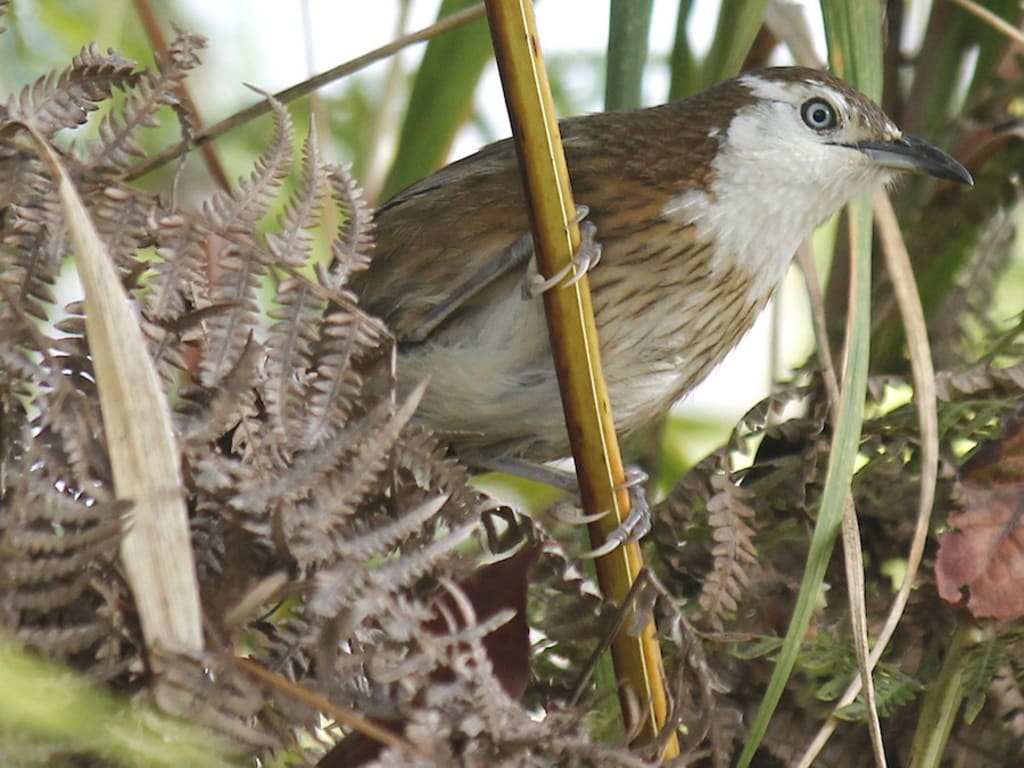
The Spiny Babbler is a medium-sized passerine bird known for its distinct appearance. Its average length ranges from 23 to 28 centimeters (9 to 11 inches) and it weighs around 75 to 95 grams (2.6 to 3.3 ounces). The bird's most notable feature is its spiky crown, consisting of elongated feathers that form a unique crest on the top of its head. The crest is often raised, adding to the bird's charismatic charm.
2. Habitat:
The Spiny Babbler is endemic to Nepal and is primarily found in the mid-hills and foothills of the central and western regions of the country. It inhabits dense, deciduous forests, scrublands, and bushy areas. These birds are adaptable and can also be spotted in agricultural fields, gardens, and even near human settlements. However, their population density is highest in undisturbed forested areas.
3. Behavior:
Spiny Babblers are social birds and are usually found in small groups or flocks. They are highly vocal and have a distinctive call, which is a loud and melodious mix of whistles, trills, and chirps. These calls serve to communicate within the flock, establish territories, and attract mates during the breeding season. The birds are known for their acrobatic foraging behavior, often hopping and climbing among branches and foliage in search of insects, spiders, berries, and seeds.
4. Breeding and Reproduction:
Spiny Babblers are monogamous and form long-term pair bonds. Breeding typically occurs during the spring and summer months. The female constructs a cup-shaped nest using twigs, leaves, and grass, usually positioned in low shrubs or small trees. Both parents take part in incubating the eggs and caring for the chicks. A typical clutch consists of 2 to 4 eggs, which hatch after an incubation period of around 14 to 16 days. The chicks are altricial, meaning they are born naked and helpless, requiring intensive parental care.
5. Conservation Status:
The Spiny Babbler is listed as "Endangered" on the International Union for Conservation of Nature (IUCN) Red List. The main threats to the species include habitat loss due to deforestation, agricultural expansion, and infrastructure development. Additionally, the conversion of forests into human settlements and the collection of forest products negatively impact their habitat. Climate change and the potential spread of invasive species also pose significant challenges to their survival.
6. Conservation Efforts:
Efforts are underway to protect the Spiny Babbler and its habitat. The Nepalese government has designated several protected areas, such as Shivapuri-Nagarjun National Park and Chitwan National Park, which provide essential habitats for the species. Conservation organizations, local communities, and researchers collaborate on initiatives that involve habitat restoration, community education, and awareness programs. These efforts aim to mitigate threats, raise conservation awareness, and promote sustainable practices in the surrounding communities.
One such initiative is the establishment of community-managed forests, where local communities actively participate in the conservation and management of forests. These forests serve as vital habitats for the Spiny Babbler and other wildlife, while also providing sustainable livelihood options for the communities through activities like ecotourism and non-timber forest product harvesting.
Research and monitoring programs have also been implemented to better understand the Spiny Babbler's population dynamics, habitat requirements, and breeding patterns. These studies contribute valuable data that inform conservation strategies and help prioritize areas for protection.
Furthermore, awareness campaigns and educational programs targeting local communities, schools, and tourists play a crucial role in fostering a sense of pride and responsibility towards the Spiny Babbler and its habitat. By raising awareness about the importance of biodiversity conservation and the role of the Spiny Babbler as a flagship species, these initiatives strive to create a culture of environmental stewardship among the people of Nepal.
International collaboration and support are also vital in protecting the Spiny Babbler. Conservation organizations partner with local stakeholders and international agencies to secure funding for research, habitat restoration, and community development projects. Additionally, birdwatchers, nature enthusiasts, and tourists visiting Nepal contribute to conservation efforts through responsible ecotourism practices and by supporting local initiatives.
Upto now evalution from above points, the Spiny Babbler is a remarkable bird that holds immense ecological and cultural significance in Nepal. Its unique physical characteristics, habitat requirements, and social behavior make it a captivating species to study and observe. However, the challenges it faces due to habitat loss and human activities necessitate concerted efforts for its conservation. Through collaborative initiatives, research, habitat protection, and community engagement, Nepal is striving to secure a sustainable future for the Spiny Babbler. By safeguarding this avian gem, we not only preserve a remarkable species but also contribute to the overall conservation of Nepal's rich biodiversity and the ecological balance of the region.
7. Cultural Significance:
The Spiny Babbler holds a special place in the cultural heritage of Nepal. Locally known as "Kande Bhyakur" or "Ban Myna," it is often depicted in traditional folk songs, poems, and artwork. The bird's distinct appearance and melodious calls have inspired local folklore and tales. It has become a symbol of natural beauty and harmony with the environment.
In addition to its cultural significance, the Spiny Babbler also plays a crucial ecological role. As an insectivorous bird, it helps control populations of insects and pests, contributing to the overall balance of the ecosystem. Its foraging behavior and feeding habits have a positive impact on the health of forests and agricultural lands.
8. Future Challenges and Conservation Outlook:
While conservation efforts have made progress in safeguarding the Spiny Babbler, several challenges lie ahead. Habitat loss and fragmentation continue to be major threats due to increasing human activities and infrastructure development. Climate change poses additional risks, affecting the bird's distribution patterns, breeding cycles, and food availability.
To ensure the long-term survival of the Spiny Babbler, it is crucial to strengthen existing conservation measures and implement new initiatives. This includes expanding protected areas, promoting sustainable land-use practices, and mitigating human-wildlife conflicts. Collaborative research and monitoring programs should be continued to assess population trends, habitat requirements, and potential impacts of climate change.
Engaging local communities through capacity-building programs, alternative livelihood opportunities, and eco-tourism initiatives can help foster a sense of ownership and responsibility for the conservation of the Spiny Babbler and its habitat. Public awareness campaigns, educational programs, and ecotourism guidelines should be further promoted to encourage responsible behavior and reduce disturbance to the birds and their habitats.
International support and partnerships are crucial for the conservation of the Spiny Babbler. Funding from international organizations, as well as knowledge exchange and technical assistance, can significantly contribute to conservation efforts. Collaboration with neighboring countries can also enhance regional conservation strategies and facilitate the protection of migratory routes for the Spiny Babbler.
Ultimately , the Spiny Babbler holds a unique place in the avian world, being found exclusively in the enchanting landscapes of Nepal. With its distinctive appearance, captivating behavior, and cultural significance, it serves as a symbol of Nepal's rich biodiversity. However, concerted efforts are necessary to address the challenges it faces and ensure its long-term survival. By valuing and protecting the Spiny Babbler, we not only preserve a remarkable bird species but also contribute to the conservation of Nepal's natural heritage and promote a harmonious relationship between humans and the environment.
9. Citizen Science and Public Involvement:
Engaging the public in scientific research and monitoring through citizen science initiatives can be a valuable tool in the conservation of the Spiny Babbler. Local communities, birdwatching enthusiasts, and students can contribute to data collection, reporting bird sightings, and participating in bird surveys. These efforts help expand the knowledge base about the distribution, abundance, and behavior of the Spiny Babbler, providing valuable insights for conservation planning.
By involving the public, citizen science projects not only raise awareness about the importance of the Spiny Babbler but also empower individuals to take an active role in its conservation. These initiatives promote a sense of ownership and stewardship among the local communities, fostering a deeper connection with the natural world and encouraging sustainable practices.
10. Tourism and Responsible Birdwatching:
The Spiny Babbler's unique status as an endemic species in Nepal makes it a sought-after target for birdwatchers and nature enthusiasts. Responsible tourism practices that prioritize the well-being of the birds and their habitats are essential for minimizing negative impacts. Local guides and tour operators play a crucial role in promoting ethical birdwatching practices, ensuring that visitors adhere to guidelines that minimize disturbance and respect the birds' natural behaviors.
Additionally, developing birdwatching trails, observation points, and interpretive centers can enhance the birdwatching experience while raising awareness about the Spiny Babbler and its conservation needs. Engaging with local communities, providing economic benefits through ecotourism, and promoting environmental education initiatives create incentives for sustainable tourism practices and foster a sense of pride in protecting the unique avian heritage of Nepal.
11. Collaborative Research and International Cooperation:
Conservation of the Spiny Babbler requires collaborative efforts between local stakeholders, conservation organizations, researchers, and international partners. By pooling resources, sharing knowledge, and coordinating conservation strategies, a more comprehensive approach can be adopted.
International cooperation plays a crucial role in supporting Nepal's conservation efforts for the Spiny Babbler. Collaboration with regional and international organizations facilitates knowledge exchange, technical support, and funding opportunities. Joint research projects, capacity-building programs, and conservation initiatives that span borders contribute to a broader understanding of the bird's ecology and conservation requirements.
12. Conclusion:
The Spiny Babbler, a bird found exclusively in Nepal, is a testament to the country's rich biodiversity and cultural heritage. Its distinct appearance, habitat requirements, and social behavior make it a fascinating subject of study and admiration. However, the Spiny Babbler faces significant challenges due to habitat loss, human activities, and climate change.
Through collaborative conservation efforts, public involvement, responsible tourism practices, and international cooperation, the Spiny Babbler can be safeguarded for future generations. By protecting this avian gem, we contribute to the preservation of Nepal's unique natural heritage and promote the harmony between humans and the environment.
With sustained dedication and collective action, we can ensure the survival of the Spiny Babbler and continue to marvel at its beauty and significance in the captivating landscapes of Nepal. Let us embrace our role as stewards of nature and work together to secure a bright future for this remarkable bird species.
13. The Spiny Babbler and Ecosystem Conservation:
Conserving the Spiny Babbler goes beyond protecting a single species. It is intertwined with the preservation of its habitat and the overall health of the ecosystems it inhabits. The forests and scrublands that support the Spiny Babbler are home to a diverse array of plant and animal species, contributing to the ecological balance of the region.
Efforts to protect the Spiny Babbler indirectly benefit other species that share its habitat. By preserving the forests and promoting sustainable land-use practices, we create safe havens for various plants, insects, mammals, and birds, fostering biodiversity conservation on a larger scale.
14. Long-term Monitoring and Adaptive Management:
Conservation efforts for the Spiny Babbler require long-term monitoring and adaptive management strategies. Monitoring the population trends, habitat quality, and threats is essential to evaluate the effectiveness of conservation interventions and make informed decisions for future actions.
Adaptive management allows for flexibility in conservation approaches, adjusting strategies based on new information and changing circumstances. By incorporating feedback from research, monitoring, and community engagement, conservation initiatives can adapt to emerging challenges and optimize their impact on Spiny Babbler conservation.
15. Inspiring Future Generations:
Educating and inspiring the younger generation is crucial for the long-term conservation of the Spiny Babbler. By introducing children and students to the beauty and importance of this unique bird species, we instill in them a sense of wonder, curiosity, and responsibility for the natural world.
School programs, nature clubs, and environmental education initiatives can integrate the study of the Spiny Babbler into their curricula, fostering a connection between students and the avian biodiversity of Nepal. Field trips, workshops, and interactive activities offer hands-on experiences that cultivate an appreciation for conservation and encourage young minds to become future conservationists.
16. A Call to Action:
The conservation of the Spiny Babbler requires collective action at various levels. As individuals, we can contribute by supporting responsible tourism, practicing sustainable lifestyles, and raising awareness about the importance of protecting biodiversity.
Communities can play a pivotal role by actively participating in conservation efforts, engaging in sustainable land-use practices, and integrating the conservation of the Spiny Babbler into local development plans. Collaboration between government agencies, conservation organizations, researchers, and local communities is essential to ensure effective and long-lasting conservation outcomes.
At the international level, continued support and collaboration are vital for funding conservation initiatives, sharing knowledge and expertise, and promoting policies that protect endemic species like the Spiny Babbler. By working together, we can make a significant difference in securing the future of this remarkable bird and the ecosystems it depends on.
17. Review from above four points….
The Spiny Babbler, found exclusively in Nepal, is a bird species of great ecological and cultural significance. Its protection requires a multi-faceted approach, including habitat conservation, public involvement, responsible tourism, and international cooperation.
Preserving the Spiny Babbler is not only about saving a single species but also about safeguarding the biodiversity and ecological balance of Nepal. Through our collective efforts, we can ensure that future generations will have the opportunity to marvel at the unique beauty and enchanting melodies of the Spiny Babbler.
Let us embrace the responsibility of being custodians of the natural world and strive to create a sustainable future where the Spiny Babbler and other remarkable species can thrive. Together, we can make a lasting impact and ensure the survival of this avian gem for generations to come.
18. Celebrating Success and Building Momentum:
While the conservation of the Spiny Babbler is an ongoing effort, it is important to celebrate the successes achieved so far. Every milestone, whether it's the establishment of protected areas, the implementation of community-led conservation initiatives, or the engagement of local communities, deserves recognition. These achievements serve as inspirations and fuel the momentum needed to continue the conservation work.
Sharing success stories through various platforms, such as social media, publications, and community gatherings, not only highlights the progress made but also encourages others to join in the conservation efforts. Celebrating successes fosters a sense of pride among stakeholders and motivates individuals to contribute their time, resources, and expertise to protect the Spiny Babbler.
19. Supporting Sustainable Livelihoods:
Conservation efforts for the Spiny Babbler can be complemented by supporting sustainable livelihood opportunities for local communities. When people have alternative sources of income that are compatible with conservation goals, they are less likely to engage in activities that harm the bird's habitat.
Promoting sustainable agriculture practices, eco-tourism ventures, and small-scale enterprises that utilize natural resources in a responsible manner can provide economic benefits to communities while ensuring the long-term conservation of the Spiny Babbler. By integrating conservation with sustainable development, we create win-win scenarios that benefit both people and nature.
20. Collaboration for Research and Knowledge Sharing:
Scientific research plays a crucial role in understanding the Spiny Babbler and developing effective conservation strategies. Collaboration between researchers, conservation organizations, and academic institutions is key to advancing knowledge about the bird's ecology, behavior, and habitat requirements.
By sharing research findings, best practices, and innovative conservation techniques, we can enhance our collective understanding of the Spiny Babbler and improve conservation outcomes. Collaboration can take the form of joint research projects, international conferences, workshops, and scientific publications, fostering a global network of experts dedicated to protecting this unique bird species.
21. Never Underestimate Individual Actions:
While large-scale conservation efforts and international collaborations are essential, individual actions should not be underestimated. Each individual has the power to make a difference through their daily choices and behaviors. Simple actions such as reducing carbon footprint, supporting sustainable products, advocating for conservation policies, and spreading awareness can contribute to the conservation of the Spiny Babbler.
By being conscious consumers, responsible travelers, and environmentally aware citizens, we can create a collective impact that supports the long-term survival of the Spiny Babbler and the preservation of its habitat.
22. A Future with the Spiny Babbler:
Imagine a future where the Spiny Babbler continues to grace the forests and landscapes of Nepal, its melodious calls echoing through the trees. A future where its unique spiky crown remains a symbol of Nepal's natural heritage and biodiversity.
Achieving this vision requires a shared commitment to conservation, from local communities to international stakeholders. By valuing the Spiny Babbler and taking concrete actions to protect its habitat, we can ensure that future generations can experience the wonder and beauty of this remarkable bird.
Let us unite in our efforts to conserve the Spiny Babbler, not just for its intrinsic value, but also for the invaluable contributions it makes to the ecosystems and cultural fabric of Nepal. Together, we can secure a future where the Spiny Babbler thrives, inspiring awe and reminding us of the importance of preserving our natural world.
About the Creator
UK must double down on renewables as wars drive up energy costs, experts say
Britain must accelerate its transition toward renewable energy sources as geopolitical conflicts continue to drive global energy prices higher, according to leading energy analysts and climate policy experts. The warning comes as wars and political tensions across key energy-producing regions expose the vulnerability of countries still heavily reliant on imported fossil fuels. In recent years, the United Kingdom has made significant progress expanding renewable energy capacity, particularly in offshore wind and solar power. However, experts argue that the pace of the transition remains insufficient to shield the country from the volatility of international energy markets. Conflicts in the Middle East and Eastern Europe have demonstrated how quickly supply disruptions can translate into rising costs for households and businesses. Energy economists say the lesson from recent global crises is clear: the more dependent a country is on imported oil and gas, the more exposed it becomes to geopolitical shocks. Britain imports a substantial portion of its natural gas and refined fuel products, meaning instability in global supply chains can quickly affect domestic energy bills. During periods of international conflict, oil prices often spike due to fears that shipping routes or production facilities could be disrupted. Even rumors of attacks near key energy chokepoints — such as major pipelines or shipping lanes — can cause markets to react sharply. These fluctuations, analysts say, ultimately filter down to consumers through higher electricity and heating costs. Renewable energy sources offer a potential solution to this problem because they rely on domestic resources such as wind and sunlight rather than imported fuels. Once renewable infrastructure is built, operating costs remain relatively stable because there is no need to purchase fuel on global markets. The United Kingdom already operates some of the world’s largest offshore wind farms, and renewable energy now accounts for a significant share of the country’s electricity generation. Government data indicates that wind power alone has become one of the largest sources of electricity in Britain, particularly during periods of strong weather conditions. Despite this progress, energy specialists argue that further investment is essential. Expanding renewable generation capacity requires not only building more wind and solar farms but also upgrading the national electricity grid. A modernized grid would allow energy produced in remote offshore locations to be transmitted efficiently to cities and industrial centers. Energy storage is another critical piece of the puzzle. Because renewable sources like wind and solar are intermittent, large-scale battery systems or alternative storage technologies are needed to ensure a stable supply of electricity during periods when generation drops. Developing these systems will require both technological innovation and sustained financial investment. Some experts also emphasize the importance of diversifying the country’s renewable portfolio. While offshore wind remains a cornerstone of Britain’s energy strategy, solar power, tidal energy, and green hydrogen could also play important roles in the future energy mix. The government has already announced plans to increase renewable capacity dramatically over the next decade. Officials argue that reducing reliance on fossil fuels will not only strengthen national energy security but also help the country meet its climate targets. However, critics say policy uncertainty and slow planning approvals have sometimes delayed renewable projects. Industry leaders have urged authorities to streamline regulatory processes and provide clearer long-term incentives for investors. For many analysts, the link between energy security and climate policy has never been more obvious. Wars and geopolitical tensions have shown that fossil fuel dependence can create economic vulnerability, while domestically produced renewable energy offers greater stability. “The global energy system is changing,” said one energy policy researcher. “Countries that invest early in renewable infrastructure will be better protected from geopolitical shocks and price spikes.” As international conflicts continue to reshape global energy markets, the debate over Britain’s energy future is likely to intensify. For supporters of renewable power, the current moment represents both a warning and an opportunity — a chance to accelerate the transition toward a more secure and sustainable energy system.
By Fiaz Ahmed 3 days ago in Earth
Early March 2026: 4 Goals Accomplished
It's early March and I've now accomplished my 4th writing goal for the year of 2026. Before diving into the behind-the-scenes of it... why not tell you up front what that accomplishment was? I was published in a 2nd publication for this year. Published in Helix Literary Magazine out of Central Connecticut State University. You can read it for free right now!
By Stephen Kramer Avitabile3 days ago in Writers




Comments
There are no comments for this story
Be the first to respond and start the conversation.