
The Spectacular Phenomenon of Polar Lights
Nature's Dazzling Light Show
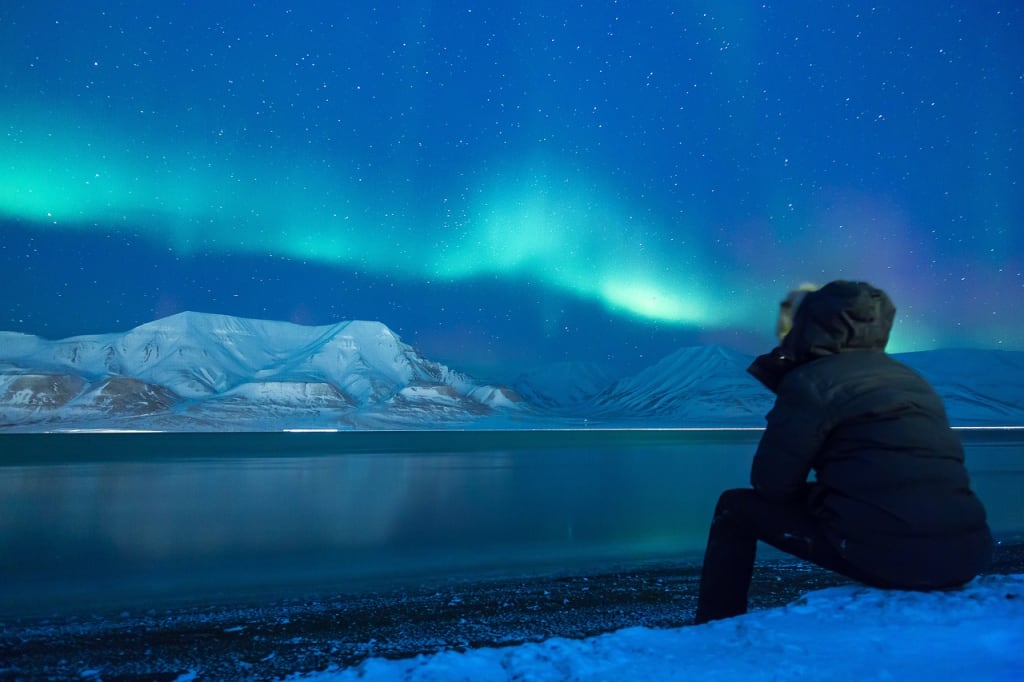
The enchanting phenomenon of polar lights, also known as the aurora borealis in the northern hemisphere and the aurora australis in the southern hemisphere, has fascinated humanity for centuries. These mesmerizing light displays occur in the polar regions and captivate both scientists and spectators alike. In this article, we will delve into the captivating world of polar lights, exploring their origin, characteristics, cultural significance, and the best locations to witness this awe-inspiring natural spectacle.
Polar lights are natural light displays that occur in the polar regions due to interactions between the Earth's magnetic field and solar particles. They are predominantly observed in the Arctic and Antarctic regions. These luminous displays are characterized by vibrant, undulating curtains of light that dance across the night sky. The primary colors displayed are green, red, blue, and purple, though they can occasionally appear in shades of yellow, pink, and white.
The genesis of polar lights lies in the interaction between the Earth's magnetic field and charged particles emitted by the Sun. Solar winds consisting of charged particles, primarily electrons and protons, are expelled from the Sun during solar flares and coronal mass ejections. As these charged particles approach the Earth, they interact with the planet's magnetic field. The particles are channeled towards the polar regions, where they collide with atoms and molecules in the atmosphere.
The northern lights, or aurora borealis, are the polar lights observed in the northern hemisphere, whereas the southern lights, or aurora australis, are observed in the southern hemisphere. These ethereal displays exhibit remarkable similarities despite their geographical separation. The varying colors result from the type of gas involved in the collision, with oxygen producing green and red hues and nitrogen contributing to blue and purple colors.
Polar lights have captured the imaginations of cultures around the world, resulting in a rich tapestry of folklore and mythology. In many indigenous cultures residing in the polar regions, the auroras hold great spiritual and cultural significance. Ancient legends and tales depict the lights as spirits, celestial battles, or messages from the gods. In some cases, they are believed to be guiding lights for souls or omens of impending events.
If you yearn to witness the majestic polar lights firsthand, several locations around the world offer prime viewing opportunities. In the northern hemisphere, popular destinations include Iceland, Norway, Canada's Yukon territory, and Alaska. In the southern hemisphere, Antarctica, New Zealand, and the southern regions of Argentina and Chile are excellent choices. These locations provide ideal conditions with minimal light pollution and favorable geomagnetic activity.
The otherworldly beauty and mystical aura of polar lights have been a source of wonder and inspiration for humanity throughout history. Whether you are a scientist, a nature enthusiast, or simply someone in search of an unforgettable experience, witnessing the breathtaking dance of the auroras is an absolute must. From the scientific marvels behind their occurrence to their cultural significance, polar lights continue to captivate and amaze, reminding us of the grandeur and majesty of our planet's natural wonders.
If you're planning a trip to witness the polar lights, there are a few key factors to consider to maximize your chances of a successful sighting. Firstly, timing is crucial. The best time to see the auroras is during the equinoxes (March and September) when geomagnetic activity is typically higher. Additionally, choose a location that offers clear, dark skies. Light pollution from cities can hinder visibility, so opt for remote areas away from urban centers.
Weather conditions play a significant role as well. Clear nights with minimal cloud cover provide optimal viewing conditions. Keep an eye on weather forecasts and be prepared to be flexible with your travel plans. Patience is also essential when chasing the auroras. Sometimes, they may appear faint or only for a short duration, so be prepared to wait and embrace the uncertainty.
Photographing the polar lights can be a rewarding experience. To capture the ethereal beauty of the auroras, use a tripod to stabilize your camera and choose a wide-angle lens to encompass the expansive sky. Experiment with exposure settings to capture the vibrant colors and movement. It's advisable to bring spare batteries and memory cards as cold temperatures can drain battery life quickly.
While the auroras are the primary attraction, don't forget to immerse yourself in the surrounding environment. Many destinations renowned for their polar lights offer breathtaking landscapes, wildlife encounters, and unique cultural experiences. Take the opportunity to explore ice caves, go dog sledding, or interact with indigenous communities, adding depth to your journey.
As scientists continue to unravel the mysteries of polar lights, ongoing research is focused on understanding the mechanisms that trigger the auroras, predicting their occurrence with greater accuracy, and studying their potential impacts on Earth's climate. Advances in technology, such as satellite imaging and ground-based observations, are aiding in these endeavors.
In addition to scientific research, there is an increasing awareness of the need to preserve the fragile ecosystems and habitats where the polar lights occur. Efforts are being made to minimize light pollution, reduce carbon emissions, and promote sustainable tourism practices in these regions.
The awe-inspiring phenomenon of polar lights remains one of nature's most captivating displays. Whether you witness them as a scientific observer, a cultural enthusiast, or a curious traveler, the experience is sure to leave an indelible mark on your memory. As we strive to protect and appreciate the natural wonders of our planet, let the polar lights serve as a reminder of the beauty and fragility of our interconnected world.
About the Creator
Keep reading
More stories from Tobias Frey and writers in Earth and other communities.
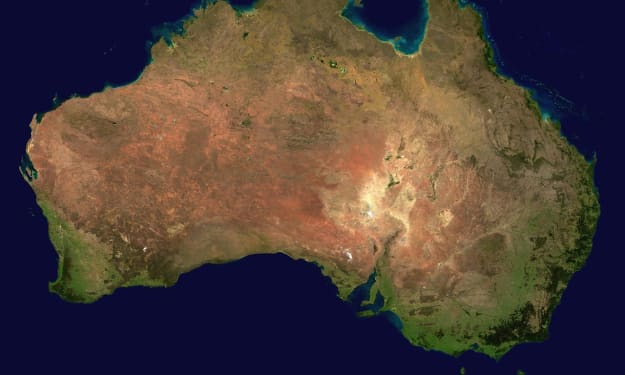
Discovering Australia
Australia, known as the "Land Down Under," is a country brimming with diverse landscapes, unique wildlife, captivating cities, and a rich indigenous culture. From the breathtaking Great Barrier Reef to the vast Outback, Australia offers a myriad of sights and experiences for every traveler. With its distinct flora and fauna, cosmopolitan cities, and warm hospitality, this enchanting continent is a true gem waiting to be explored. In this article, we will delve into the remarkable sights, cultural heritage, and fascinating wildlife that make Australia an exceptional destination.
By Tobias Frey3 years ago in Earth
The Terrarium Toolkit: AI Helps You Build and Maintain a Miniature World
You assemble layers of earth, carefully position tiny plants, and add decorative stones, culminating in the moment you place the glass lid or front panel. You've created more than a decoration; you've built a miniature, self-contained world. Yet, weeks later, that world can become clouded—literally. Condensation obscures the view, mold appears on the soil, or a once-vibrant plant turns to mush. The delicate balance you sought has tipped.
By Emma Wallace5 days ago in Earth



Comments
There are no comments for this story
Be the first to respond and start the conversation.