
UAE Firms Pull Out of Saudi Defence Show as Gulf Rift Spills Into Business
A widening diplomatic dispute between Riyadh and Abu Dhabi is now affecting trade ties and corporate participation in key regional events
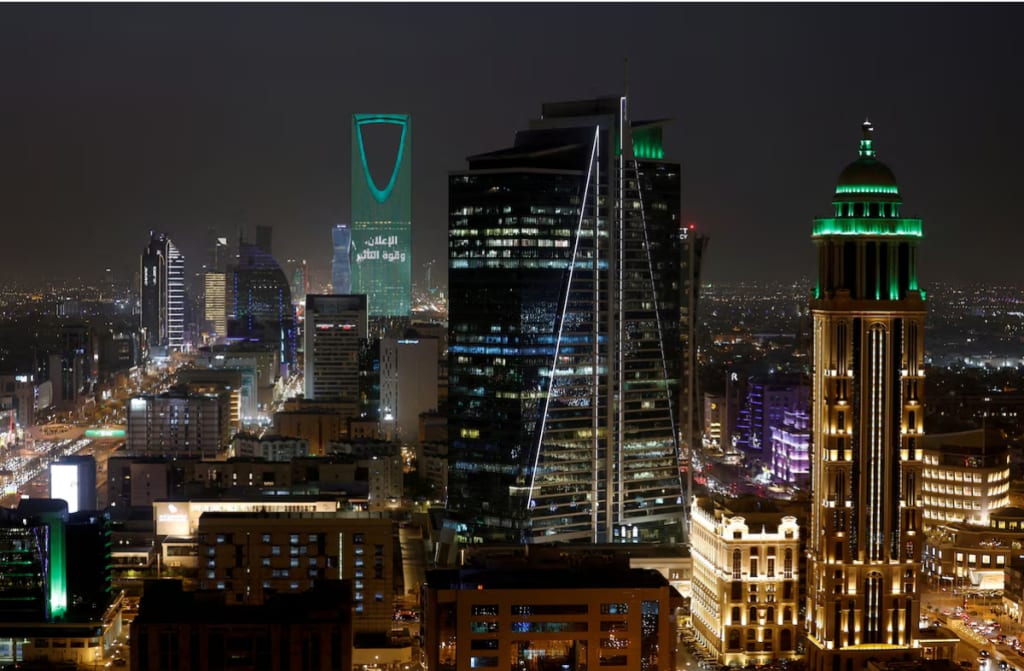
A growing diplomatic rift between Saudi Arabia and the United Arab Emirates has begun to spill into the business sector, with reports that some UAE companies have withdrawn from the World Defence Show in Riyadh. The exhibition, one of the largest defence events in the Middle East, showcases advanced military technologies and serves as a platform for international and regional defence partnerships.
Sources say the withdrawals, though not officially confirmed, are being interpreted as a reflection of deeper disagreements between the two Gulf powers. The move underscores how political tensions can influence commercial decisions and cross-border collaboration.
Why the World Defence Show Matters
The World Defence Show, scheduled for February 8–12, attracts military contractors, governments, and international defence firms. For years, it has served as a venue for showcasing new technologies, negotiating deals, and strengthening strategic partnerships.
Saudi Arabia, under its Vision 2030 initiative, has positioned the event as a major part of its plan to diversify its economy and expand its defence sector. Participation from Gulf neighbours, particularly the UAE, has historically been considered crucial to demonstrating regional cohesion and support.
The reported UAE pullout therefore carries not only commercial but also political significance.
Background of the Gulf Rift
Tensions between Riyadh and Abu Dhabi have grown over differing approaches to regional conflicts, particularly in Yemen. The UAE’s withdrawal of forces and alleged support for certain separatist groups in southern Yemen has been cited by Saudi officials as a point of contention.
Diplomatic friction has intensified in recent months due to claims that the UAE assisted a prominent Yemeni figure’s escape through Somalia, adding to the mistrust between the two states. While the UAE has maintained its stance as a strategic partner of Saudi Arabia in broader Gulf affairs, these disagreements have strained collaboration on both military and economic fronts.
Business Implications of the Pullout
While the UAE’s withdrawal is limited to select companies, it signals that businesses are now actively considering geopolitical risks in their strategic planning. Companies involved in defence contracting often operate across borders, so tension between two major partners in the Gulf can affect contracts, logistics, and joint ventures.
Analysts suggest that even a partial pullout could prompt other international firms to reassess the regional business climate, potentially impacting investment in both countries. Trade between Saudi Arabia and the UAE exceeds $30 billion annually, and disruptions, even symbolic, can have ripple effects across industries.
Political and Diplomatic Dimensions
The pullout also highlights the interconnectedness of politics and commerce in the Gulf region. Historically, Saudi Arabia and the UAE have acted as allies in the Gulf Cooperation Council (GCC), coordinating on security and economic matters. The defence show withdrawals demonstrate how political disagreements — particularly in conflict zones like Yemen — can translate into economic and business consequences.
Some observers draw parallels to the 2017 Qatar blockade, where diplomatic tensions led to broad economic and logistical disruptions. While the current UAE-Saudi rift is not at that scale, the incident raises concerns about the stability of Gulf business ties when diplomacy falters.
Industry Reactions and Observations
Industry sources report that other regional and international firms are monitoring the situation closely. Companies from Europe, Asia, and North America participate in the World Defence Show, and any perceived instability could influence participation decisions in future events.
Defence contractors and military technology firms rely on predictable partnerships, and political tension introduces uncertainty. Even symbolic withdrawals, like those of UAE firms, may signal to investors and partners that risk assessment needs to account for political as well as economic factors.
Economic and Strategic Consequences
For the UAE and Saudi Arabia, the economic implications are tied not only to defence contracts but also to job creation, trade, and technological advancement. Delays or reduced participation in the show can slow collaborative projects, disrupt procurement schedules, and affect employment in defence-related sectors.
Moreover, regional credibility and perception matter. A visible dispute between Gulf powers can affect foreign investment and international confidence in Gulf-led initiatives, from technology transfers to joint military projects.
The Human and Corporate Angle
For UAE companies withdrawing from the show, the decision involves balancing business objectives with national diplomacy. Executives are reportedly weighing the risks of appearing politically aligned with one side against potential commercial gains in a high-stakes environment.
Similarly, Saudi organisers face the challenge of maintaining international credibility for the World Defence Show while navigating sensitive political dynamics with their Gulf neighbour.
Looking Ahead
While the immediate impact is on the defence exhibition, the incident may have longer-term consequences for Gulf economic collaboration. Investors, companies, and regional governments will closely monitor whether this is a temporary setback or indicative of a deeper shift in UAE-Saudi relations.
Analysts emphasize that cooperation between the two largest Gulf economies is crucial for regional stability and prosperity. Any continued disruption could affect sectors ranging from defence and trade to tourism and energy.
Conclusion
The reported withdrawal of UAE companies from the Saudi World Defence Show highlights how political tensions can quickly influence business and economic engagement in the Gulf region. While details are still emerging, the move underscores the intertwined nature of diplomacy, commerce, and strategic partnership in one of the world’s most geopolitically significant areas.
As Saudi Arabia continues to host global defence firms and the UAE navigates its own strategic priorities, this incident serves as a reminder that political disagreements—even if subtle—can reverberate far beyond government corridors, affecting industries, investments, and regional cohesion.
About the Creator
What’s Going On in the World Nowadays?
The world today feels louder, faster, and more divided than ever before. News travels in seconds, crises overlap, and societies are undergoing changes that once took decades to unfold. From political instability and economic pressure to rapid technological growth and shifting social values, humanity is standing at a crossroads. To understand what is truly going on in the world nowadays, we must look beyond headlines and examine the deeper forces shaping our present and future.
By shaoor afridi2 days ago in Earth




Comments
There are no comments for this story
Be the first to respond and start the conversation.