
The Solar Revolution
Powering a Sustainable Future

Once upon a time, in the small town of Greenville, nestled amidst rolling hills and picturesque landscapes, a remarkable journey towards a renewable energy transition began. The town, like many others, was heavily dependent on fossil fuels for its energy needs. However, the winds of change were about to blow through the community.
Meet Sarah Thompson, an ambitious and passionate young engineer who had recently returned to her hometown after completing her studies in renewable energy technologies. Inspired by her experiences and armed with a vision for a sustainable future, Sarah was determined to transform her community into a shining example of renewable energy adoption.
With unwavering determination, Sarah embarked on a mission to educate her fellow townspeople about the benefits of transitioning from fossil fuels to renewable energy sources. She organized community gatherings, where she delivered engaging presentations about solar power, wind energy, and hydropower. She explained how these clean sources of energy could mitigate climate change, reduce pollution, and create a more sustainable future for generations to come.
Sarah's passionate speeches resonated deeply with the townspeople. Slowly but surely, a wave of enthusiasm began to sweep across the community. People started to recognize the importance of renewable energy transition and were eager to contribute to the cause. The first step was to convince the local authorities and businesses to join the movement.
Sarah approached Mayor Jameson, a thoughtful and forward-thinking leader who had always prioritized the well-being of the town. She presented a comprehensive plan outlining the benefits of renewable energy adoption and how it could positively impact the town's economy, environment, and overall quality of life. Intrigued by Sarah's vision, Mayor Jameson assembled a task force consisting of local experts, activists, and representatives from various sectors.
The task force wasted no time in exploring the feasibility of renewable energy projects in Greenville. They conducted thorough research, sought expert advice, and evaluated the town's energy consumption patterns. The team's hard work paid off when they identified several promising opportunities.
First on the agenda was a solar power initiative. Greenville, blessed with abundant sunshine, was an ideal location for harnessing the power of the sun. Sarah and her team meticulously assessed suitable sites for solar panel installations, taking into account factors such as land availability, sun exposure, and proximity to the town's electrical grid.
The task force rallied the support of local businesses and investors who saw the potential for sustainable growth. Through collaborative efforts, they secured funding for a large-scale solar farm on the outskirts of town. The solar farm would not only generate clean energy but also create job opportunities for the community, supporting local employment and economic development.
Excitement rippled through Greenville as construction on the solar farm began. The sight of rows upon rows of glistening solar panels transforming sunlight into electricity was awe-inspiring. The solar farm quickly became a symbol of hope, representing the town's commitment to a greener future.
Meanwhile, Sarah's team also explored other renewable energy options. They studied the town's wind patterns and identified suitable locations for wind turbines. To ensure a holistic approach, they assessed the potential for small-scale hydropower projects, utilizing the town's rivers and streams.
As more renewable energy projects took shape, the town witnessed a remarkable transformation. The once dreary landscape dotted with smoke-emitting chimneys was now adorned with wind turbines gently spinning in the breeze and shimmering solar panels. The air felt cleaner, and the skies seemed bluer.
Word of Greenville's renewable energy revolution spread like wildfire, capturing the attention of neighboring towns and cities. Representatives from various communities flocked to Greenville to learn from their success story, seeking guidance on replicating the transition in their own regions.
Embracing the opportunity to share their knowledge and experiences, Greenville opened its doors, organizing workshops and seminars to educate
About the Creator
Keep reading
More stories from Edidiong Joshua and writers in Earth and other communities.
The Whispering Woods
Chapter 1: The Forgotten Forest Deep within the heart of the enchanting Whispering Woods, a once-thriving forest, lay forgotten and neglected. Centuries ago, the forest teemed with life, its emerald canopy providing a home to countless species. But as time passed, the harmony of the woods was disrupted. Greed and indifference led to widespread deforestation, leaving the forest scarred and barren.
By Edidiong Joshua3 years ago in Earth
Minister Claims 'Sabotage' Behind Chagos Debate Delay
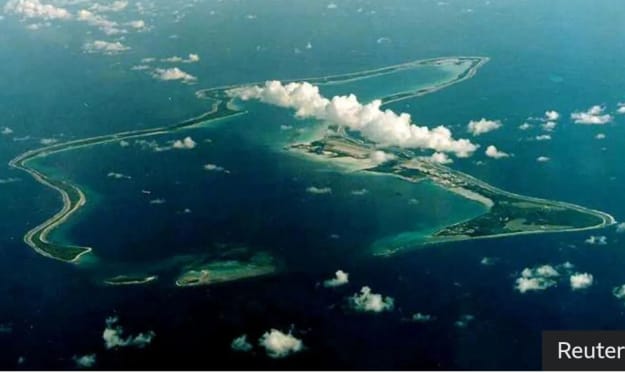
The Controversial Chagos Debate The debate over the Chagos Islands, a British Overseas Territory in the Indian Ocean, has been a contentious issue for decades. The islands, home to the Chagossian people, were evacuated in the 1960s and 1970s to make way for a US military base on Diego Garcia. Recent parliamentary sessions aimed to address ongoing claims for resettlement, compensation, and sovereignty, but the discussion has reportedly been delayed under unusual circumstances. According to a statement from a UK minister, the delay may not be procedural but deliberate “sabotage”, designed to prevent timely debate on this long-standing issue. What the Minister Said In a recent press conference, the minister emphasized that the parliamentary delay is unusual and suspicious. While refusing to name specific individuals, the official suggested that political interests or external pressures may have influenced the postponement. The minister stated: “We are aware of actions that have undermined the scheduling of this debate. We will not allow the voices of the Chagossian people to be ignored.” This strong language has sparked both media attention and political discussion, highlighting the sensitivity of the Chagos issue on national and international levels. Historical Context of the Chagos Islands Understanding the delay requires some historical context: The Chagossians were forcibly removed from their homeland between 1968 and 1973. The islands were leased to the United States for a military base, primarily on Diego Garcia. Legal battles and UN resolutions have since called for the right of the Chagossians to return and compensation for lost property. These historical grievances have made the islands a symbol of colonial legacy and human rights struggles, intensifying the political significance of any parliamentary debate. Political Ramifications The minister’s accusation of sabotage has sparked political debate: Opposition parties have demanded a transparent investigation into the delay. Advocacy groups for the Chagossian people have condemned the postponement as further marginalization of a historically displaced community. Analysts suggest the delay may be related to diplomatic sensitivities, as the UK maintains a strategic partnership with the United States, particularly regarding military operations on Diego Garcia. The controversy reflects a tension between human rights advocacy and geopolitical strategy, a balancing act often faced in foreign policy decisions. Reactions from the Chagossian Community The Chagossian diaspora, largely based in Mauritius and the UK, has reacted strongly to the minister’s statement: Many activists see the delay as evidence of continued neglect by the British government. Social media campaigns have called for immediate debate and restitution. Community leaders emphasize that Chagossians deserve transparency, timely action, and recognition of their rights. These responses highlight how the delay has directly affected community morale and advocacy efforts, amplifying calls for accountability. International Implications The Chagos Islands dispute is not only a domestic issue; it has international dimensions: The United Nations General Assembly has repeatedly urged the UK to return the islands to Mauritius. France and other nations have monitored the situation due to strategic interests in the Indian Ocean. The accusation of sabotage may influence diplomatic relations if it suggests internal political maneuvering is hindering compliance with international recommendations. Observers warn that the handling of this debate could have long-term consequences for the UK’s global reputation and human rights credibility. Parliamentary Procedures and Challenges Delays in parliamentary debates can occur for a variety of reasons, but accusations of deliberate sabotage suggest intentional interference. Challenges include: Scheduling conflicts and procedural backlog Political disagreements between parties Influence from external lobbyists or diplomatic pressures Experts emphasize the importance of parliamentary transparency and adherence to democratic norms, particularly when the matter involves historically displaced populations and international scrutiny. Importance of Accountability This controversy underscores the need for government accountability and transparency: Timely debates are essential for upholding the rights of marginalized communities. Parliamentary delays, whether intentional or procedural, can erode public trust. Clear communication regarding causes of delays can mitigate political fallout and misinformation. Advocates argue that maintaining procedural integrity is a matter of both domestic governance and international responsibility. Future Steps and Expectations The minister has indicated that further measures will be taken to ensure the debate proceeds without additional obstruction. Expected steps include: Investigation into the causes of the delay Engagement with Chagossian representatives to understand their concerns Coordinated efforts to address both domestic and international expectations If handled effectively, these steps may restore confidence in the government’s commitment to resolving this long-standing issue. Conclusion The recent accusation of sabotage surrounding the Chagos debate delay highlights the intersection of human rights, political strategy, and international diplomacy. As the UK government navigates these complexities, attention remains on ensuring that the voices of the Chagossian people are heard and that parliamentary processes maintain transparency and accountability. How the situation unfolds will not only impact domestic politics but also signal the UK’s stance on historical injustices and international law compliance. For the Chagossian community and global observers, timely resolution and action are critical to restoring trust and advancing justice.
By Aarif Lashari7 days ago in Earth


Comments (1)
Good story