
Jobs Report Postponed Due to Government Shutdown: What It Means for the Economy and Workers
A delayed labor market snapshot raises concerns about economic transparency, market stability, and public trust during a critical policy stalemate
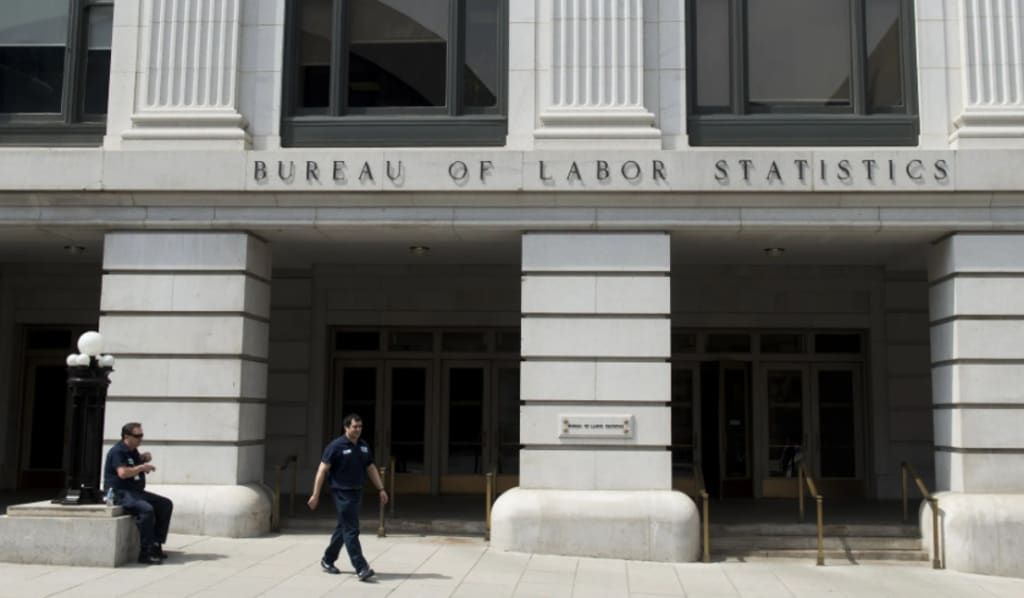
The postponement of the U.S. jobs report due to a government shutdown has sent ripples across financial markets, policymakers, and ordinary citizens alike. The monthly employment report is one of the most closely watched economic indicators in the world, providing crucial insight into hiring trends, unemployment rates, wage growth, and overall economic momentum.
When this data is delayed, uncertainty increases—investors lack guidance, businesses hesitate to make decisions, and workers remain unsure about the economy’s direction. The shutdown-triggered postponement highlights how political gridlock can disrupt not only government operations but also economic transparency and public confidence.
Why the Jobs Report Matters So Much
The U.S. jobs report, released by the Bureau of Labor Statistics (BLS), is a cornerstone of economic analysis. It helps economists, investors, and policymakers answer critical questions:
Are businesses hiring or laying off workers?
Is unemployment rising or falling?
Are wages increasing, indicating inflationary pressure?
Is the economy expanding or slowing down?
Central banks, especially the Federal Reserve, rely heavily on labor market data to make decisions about interest rates. A strong jobs report may push the Fed toward tightening monetary policy, while a weak report may encourage stimulus measures.
In short, the jobs report acts as a compass for economic policy and financial markets.
How the Government Shutdown Caused the Delay
Government shutdowns occur when Congress fails to pass funding bills, leading to the closure of non-essential federal services. During such shutdowns, agencies like the Department of Labor and the BLS may be forced to halt operations or operate with limited staff.
Because compiling the jobs report requires extensive data collection, surveys, and statistical analysis, a shutdown can interrupt the entire process. Without sufficient staff and funding, the report cannot be finalized or released on schedule.
This disruption demonstrates how political disagreements can directly affect the flow of critical economic information.
Market Reaction to the Postponement
Financial markets dislike uncertainty, and the delay of the jobs report adds a new layer of unpredictability. Investors typically use employment data to predict corporate earnings, consumer spending trends, and central bank actions.
Without the report, markets may experience:
Increased volatility: Traders may rely on speculation rather than hard data.
Reduced investor confidence: Uncertainty makes markets more cautious.
Currency fluctuations: The U.S. dollar may weaken or strengthen based on expectations rather than facts.
The absence of reliable data can cause markets to overreact to rumors or partial indicators, leading to unstable trading conditions.
Impact on Businesses and Employers
Businesses depend on economic data to make decisions about hiring, expansion, and investment. The jobs report helps companies gauge labor market tightness, wage pressures, and consumer demand.
With the report postponed, companies may:
Delay hiring plans due to uncertainty
Freeze wage increases or bonuses
Postpone major investments or expansion projects
Small businesses, in particular, rely on economic signals to manage limited resources. The lack of clear labor data can make planning extremely difficult.
What It Means for Workers and Job Seekers
For workers, the jobs report provides insight into job availability, wage trends, and economic stability. Job seekers use this data to understand which sectors are hiring and where opportunities exist.
A postponed report can create confusion and anxiety. Workers may worry about hidden job losses or economic downturns that are not being reported. On the other hand, strong labor conditions might go unnoticed, delaying optimism and confidence.
Transparency is key for public trust, and delays in economic reporting can weaken that trust.
Political Implications and Public Trust
The postponement of the jobs report also has political consequences. Government shutdowns often reflect deep partisan divisions over budgets, policies, and priorities. When essential economic data is delayed, critics argue that political dysfunction is harming the nation’s stability and credibility.
Public trust in institutions depends on consistent and transparent information. When reports are delayed, people may question whether policymakers are capable of managing the economy effectively.
What Happens When the Shutdown Ends?
Once the government reopens, agencies typically rush to catch up on delayed data releases. The BLS will likely publish the postponed jobs report along with updated data for subsequent months.
However, delayed reports can reduce their immediate usefulness. Markets and policymakers prefer real-time data, and retrospective reports may not influence decisions as strongly.
Still, analysts will closely examine the delayed data to understand whether the shutdown masked important economic trends.
Lessons from Past Shutdowns
This is not the first time government shutdowns have disrupted economic reporting. Previous shutdowns have delayed GDP data, inflation reports, and other key indicators. Each incident highlights the vulnerability of economic transparency to political disputes.
Economists argue that critical data agencies should be insulated from shutdowns to maintain continuity and credibility. Ensuring uninterrupted data releases could help stabilize markets and maintain confidence during political crises.
Conclusion: A Warning Sign for Economic Governance
The postponement of the jobs report due to a government shutdown is more than just a technical delay—it is a warning sign about the consequences of political gridlock. Economic data is the backbone of informed decision-making for governments, businesses, and citizens.
When that data is interrupted, uncertainty spreads, confidence weakens, and economic stability can be threatened. As the world watches the U.S. economy for signals about global growth, transparency and reliability become even more crucial.
Ultimately, the delayed jobs report serves as a reminder that governance and economic stability are deeply connected. Political leaders must recognize that shutdowns do not just affect government offices—they affect markets, businesses, and millions of workers who depend on accurate and timely economic information.
About the Creator
Winter Hiking in New Jersey: What No One Tells You
Okay, let’s get into it. You want to hike during the wintertime, but you don’t really know what to expect. You’ve seen the photos — snowy trails, frozen waterfalls, empty paths — and it looks peaceful. What no one tells you is that winter hiking is both a little scary and incredibly rewarding at the same time.
By Jakayla Toney7 days ago in Earth
A Memorable Journey
As the winter holidays began at school, the children decided that this time they wanted to visit the mountainous regions to witness the snowfall. After much persuasion, they managed to convince their parents to agree to the trip. Their father said, “I will get the train tickets tomorrow,” but unfortunately, the tickets were unavailable. In the end, their father arranged the journey by car instead. With all the necessary supplies packed, the children, Hassan and Maryam, along with their mother and father, set off on their adventure.
By Sudais Zakwanabout 5 hours ago in Earth
One Unchecked Box
"Republished" because it was the only way to add the embed for the newly recorded audio version of this story due to the Top Story badge. Plus it serves as a nice, informal announcement of the podcast's revival for another season (go subscribe!):
By Stephen A. Roddewig6 days ago in Fiction


Comments
There are no comments for this story
Be the first to respond and start the conversation.