
The Secret of Plants That Survive in the Desert
Plants that survive in the desert

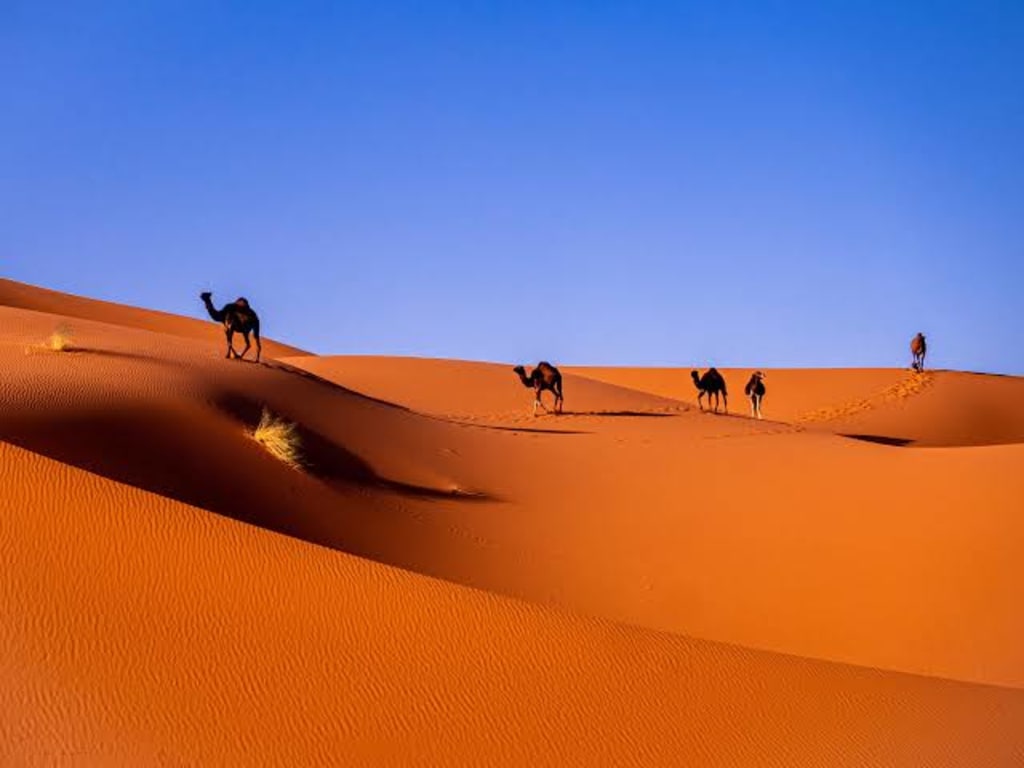
Plants that survive in the harsh conditions of the desert have developed remarkable adaptations that allow them to endure extreme temperatures, droughts, and a lack of nutrients. These survival strategies not only showcase the ingenuity of nature but also provide valuable lessons in resilience, adaptation, and resource efficiency. Many of these plants have evolved to store water, reduce water loss, and make the most out of the limited resources available in their environment. Let’s take a closer look at some of the most impressive desert survivors.
1. Saguaro Cactus (Carnegiea gigantea)
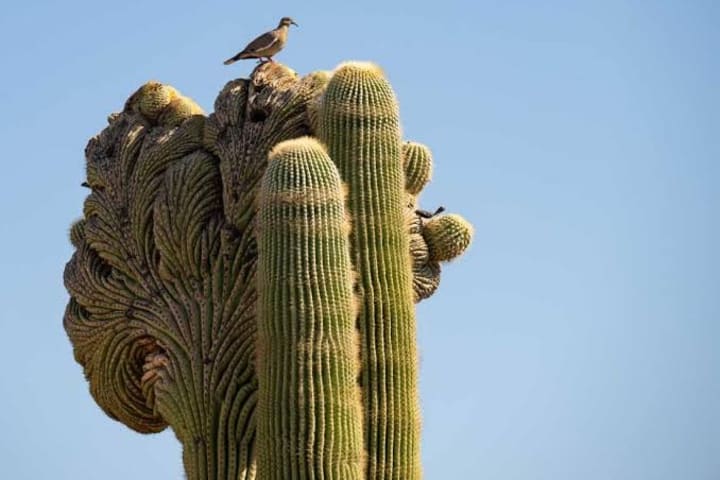
One of the most iconic desert plants, the saguaro cactus is a true testament to survival in the harsh desert. This cactus can store up to 2,000 liters of water in its trunk, which allows it to survive long periods of drought. The trunk expands to accommodate the stored water after rainfall, enabling the cactus to maintain hydration through dry spells. Despite its slow growth, it can live for over 150 years, making it one of the longest-living desert plants. The saguaro’s impressive size and longevity are a result of its remarkable adaptation to the extreme desert environment.
2. Desert Rose (Adenium obesum)
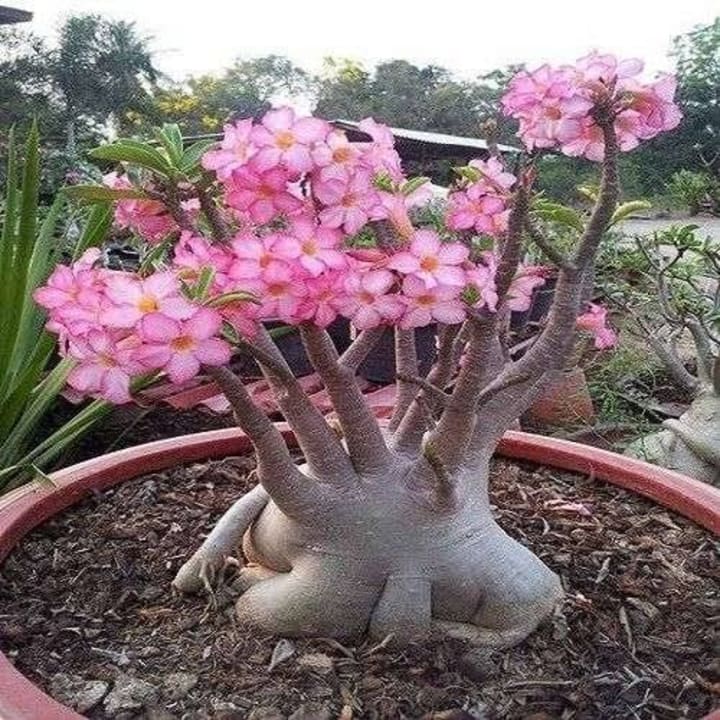
The desert rose is another extraordinary survivor, known for its ability to thrive in arid conditions. It has a thick trunk, or caudex, that stores water for the plant to use during dry periods. Additionally, the plant’s waxy leaves help to reduce water loss by preventing evaporation. The desert rose’s resilience is also reflected in its ability to bloom even in the harshest conditions, showcasing its ability to flourish despite limited resources. This plant is not only drought-resistant but also beautiful, with its vibrant flowers adding a pop of color to the barren landscape.
3. Welwitschia (Welwitschia mirabilis)
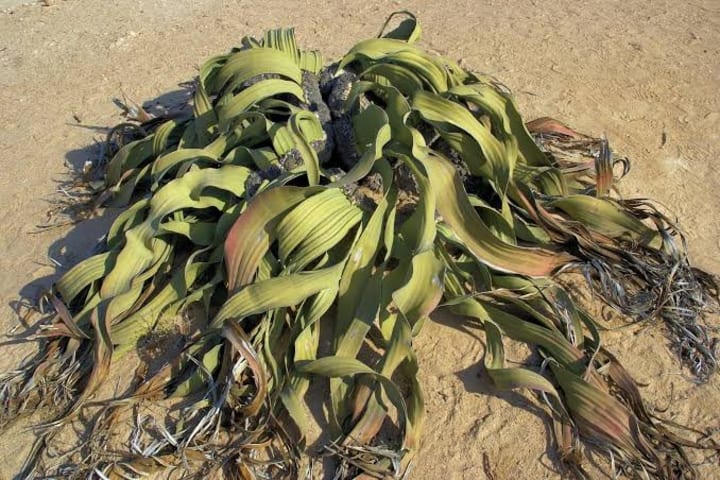
Found only in the Namib Desert, Welwitschia is one of the most unique desert plants. It can live for over 2,000 years, making it one of the oldest living plants in the world. The plant has only two leaves, which grow continuously throughout its life. These leaves are capable of absorbing moisture from the air, allowing the plant to survive in the dry, nutrient-poor environment. The ability to gather water from the atmosphere is crucial for Welwitschia, as it often faces extended periods without rainfall. This adaptation highlights the plant’s exceptional ability to thrive in one of the most inhospitable places on Earth.
4. Agave (Agave americana)
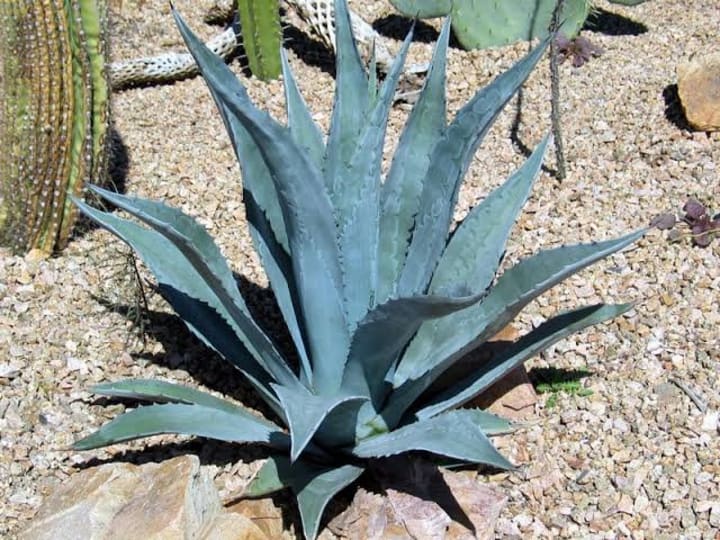
The agave is well-known for its thick, fleshy leaves that store water, enabling it to withstand long periods of drought. Its deep roots reach underground water sources, providing a consistent supply of moisture even in arid conditions. The plant also uses CAM (Crassulacean Acid Metabolism) photosynthesis, which allows it to keep its stomata closed during the day to prevent water loss. This adaptation is particularly useful in desert climates, where temperatures can soar during the day, and water conservation is essential. The agave’s ability to store and conserve water makes it a true survivor of the desert.
5. Ocotillo (Fouquieria splendens)
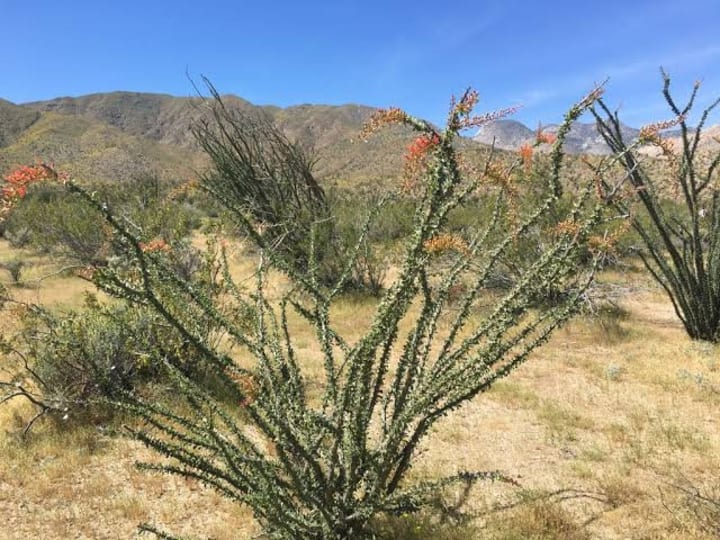
The ocotillo is another remarkable desert plant that has adapted to the extreme conditions of the desert. It remains dry for most of the year but can sprout new leaves within hours after rainfall, allowing it to quickly take advantage of any available water. The plant has shallow roots that can rapidly absorb water from rain, helping it to survive in areas where water is scarce. In addition to its unique water-conserving abilities, the ocotillo produces nectar to attract pollinators like hummingbirds. This adaptation ensures that the plant continues to reproduce even in harsh environments.
6. Tamarugo (Prosopis tamarugo)
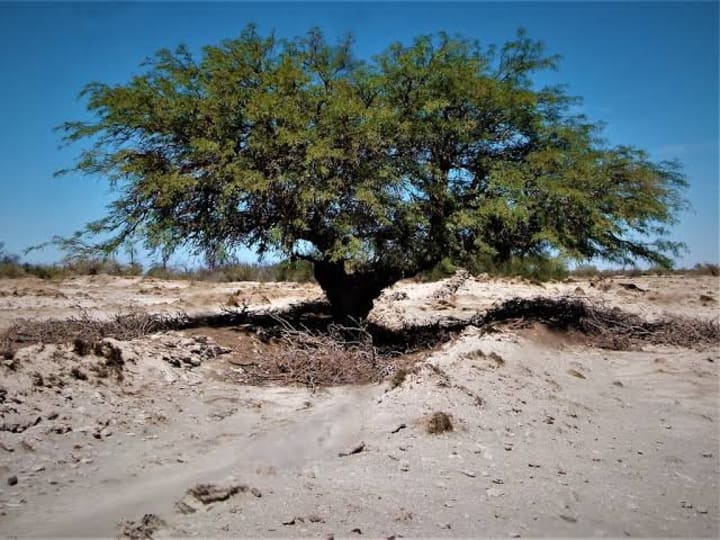
Growing in the Atacama Desert, one of the driest places on Earth, the tamarugo tree is a true marvel of survival. Its roots can reach depths of up to 50 meters (164 feet) to find water, allowing it to endure extreme droughts. The tamarugo has tiny leaves that help reduce evaporation, further conserving water. This tree is vital to the ecosystem of the Atacama Desert, as it provides shelter and food for various desert species. The tamarugo’s deep roots and water-conserving leaves are critical to its survival in one of the harshest climates on the planet.
7. Oleander (Nerium oleander)
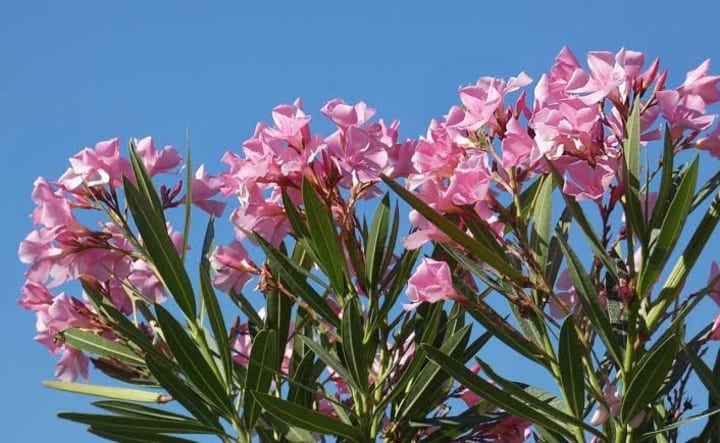
The oleander is a drought-resistant plant with long, narrow leaves that help it survive with very little water. Its roots spread horizontally, allowing it to capture moisture from a wider area of soil. While oleander can tolerate dry conditions, it is also a hardy plant that can survive in a variety of environments. Its resilience makes it a valuable addition to desert landscapes, where it can provide beauty and shade while conserving water.
These plants are true warriors of nature, having evolved over millions of years to survive in some of the harshest environments on Earth. Their remarkable adaptations teach us valuable lessons about resilience, adaptation, and efficient resource use. By studying these desert survivors, we can draw inspiration for various projects, including desert reforestation initiatives, which aim to restore ecosystems and combat climate change. Plants like these demonstrate how life can not only survive but thrive in the most challenging conditions, providing hope for a more sustainable and resilient future.
Incorporating such plants into your desert reforestation project could help promote ecological balance and sustainability. By understanding and leveraging the survival strategies of desert plants, we can better address challenges like water scarcity, extreme weather events, and soil degradation. Just as these plants have adapted to their environment, we can adapt our strategies to create a more resilient and sustainable planet for future generations.
About the Creator
Keep reading
More stories from AQUÁ PLANTAS and writers in Earth and other communities.
The Oldest Trees in the World and What They Can Teach Us
The ancient trees that have withstood the test of time are not only impressive but also hold deep lessons for humanity. These trees have existed for centuries, some for millennia, and their resilience offers a glimpse into the wisdom of nature. Here is a closer look at some of the oldest trees on the planet and the valuable lessons they can teach us:
By AQUÁ PLANTAS11 months ago in Earth
Polar Vortex Collapse Forecast
Every winter, the polar vortex quietly controls much of the weather across the Northern Hemisphere. Most people only hear about it when extreme cold suddenly sweeps into places like North America or Europe. Recently, scientists and meteorologists have begun forecasting conditions that suggest a possible polar vortex collapse, a major atmospheric disruption that could lead to unusual and prolonged winter weather.
By Sajida Sikandar3 days ago in Earth
Handful of Sick and Wounded Palestinians Allowed Through Rafah Crossing on First Day
The partial reopening of the Rafah border crossing has allowed a small number of sick and wounded Palestinians to leave Gaza for medical treatment, marking a significant yet limited humanitarian development. While only a handful of individuals were permitted to cross on the first day, the move has sparked cautious optimism among humanitarian organizations, families awaiting medical care, and international observers.
By Aarif Lasharia day ago in Earth


Comments
There are no comments for this story
Be the first to respond and start the conversation.