
The Oldest Trees in the World and What They Can Teach Us
environment

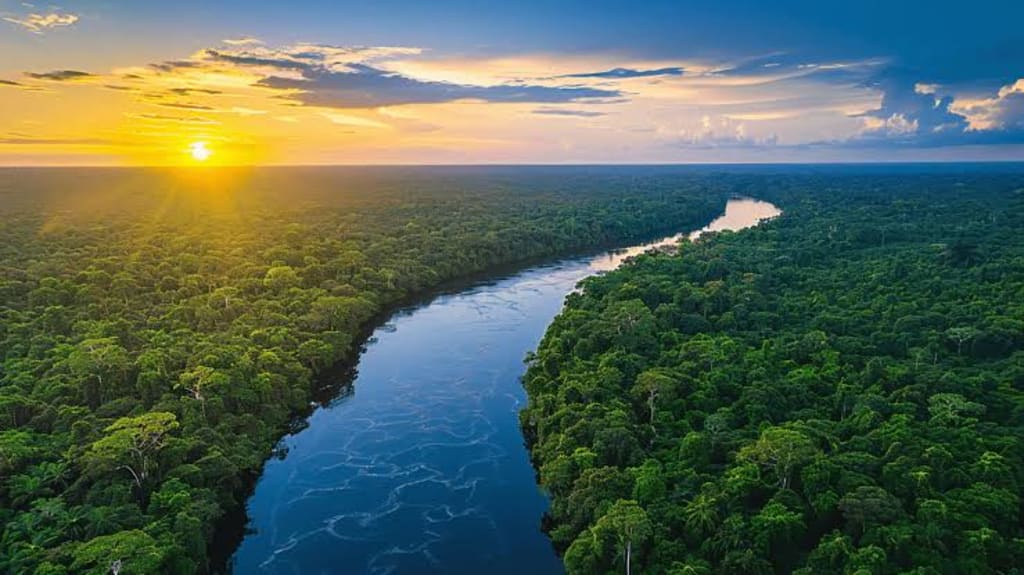
The ancient trees that have withstood the test of time are not only impressive but also hold deep lessons for humanity. These trees have existed for centuries, some for millennia, and their resilience offers a glimpse into the wisdom of nature. Here is a closer look at some of the oldest trees on the planet and the valuable lessons they can teach us:
Methuselah – The Oldest Known Tree
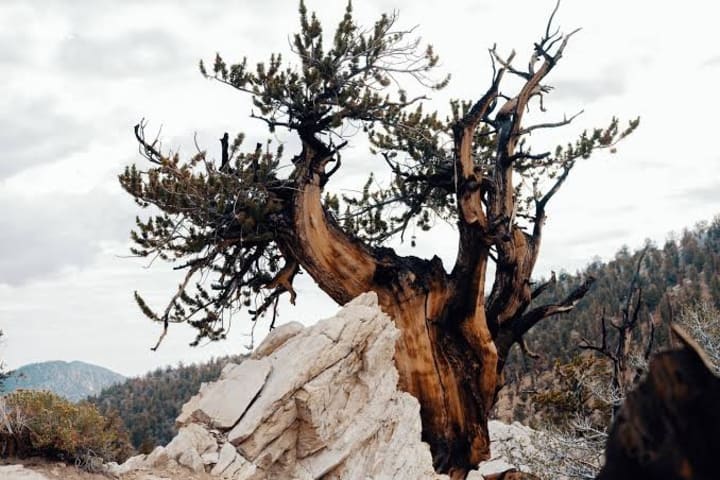
Location: White Mountains, California, USA
Age: Over 4,800 years
Species: Bristlecone Pine (Pinus longaeva)
Methuselah is often cited as the oldest known non-clonal tree. This ancient tree is a testament to the power of resilience, surviving in harsh mountain conditions with limited resources. Its longevity reminds us of the importance of patience, resilience, and the ability to adapt to challenging environments.
The Old Tjikko – The Oldest Clonal Tree
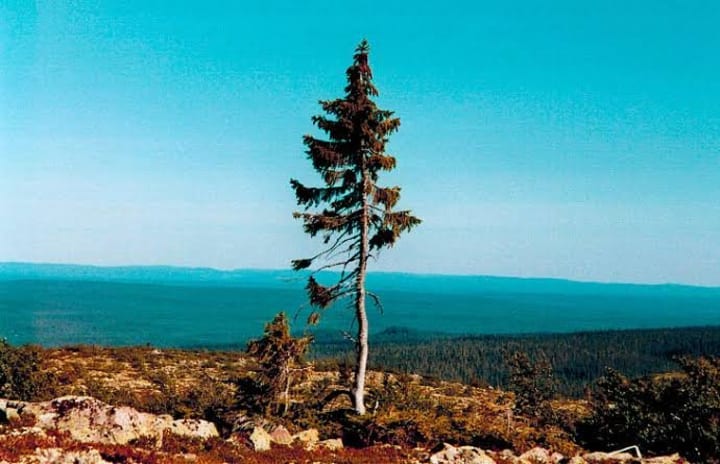
Location: Fulufjället Mountain, Sweden
Age: About 9,560 years
Species: Norway Spruce (Picea abies)
Unlike individual trees like Methuselah, The Old Tjikko is a clonal tree, meaning that although its structure above the ground is relatively young, its root system has been growing for almost 10,000 years. This tree teaches us about the importance of interconnectedness, as its survival depends on the longevity of its roots and continuous regenerative growth. It symbolizes the idea that sometimes strength lies not in individual effort but in the foundation and community we build.
Sarv-e-Abarqu – The Ancient Cypress of Iran
Location: Abarqu, Yazd, Iran
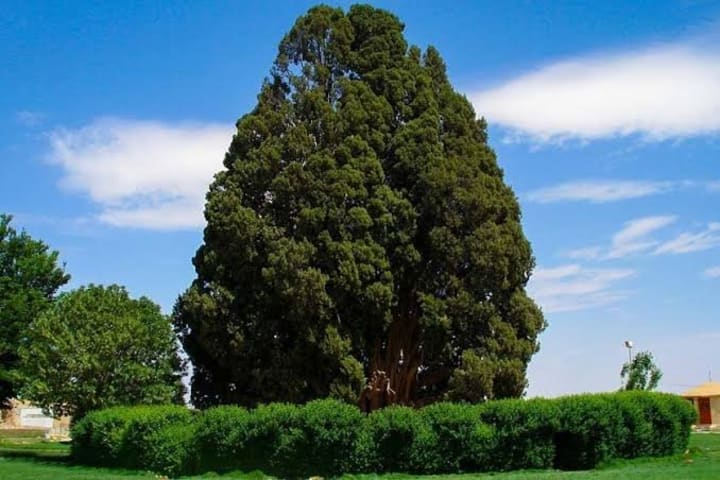
Age: Over 4,000 years
Species: Cypress
This ancient tree is considered a national natural monument in Iran. Its resilience in the arid climate of the Iranian plateau speaks to the power of sustainability and ingenuity. Despite the harsh conditions, it thrives and stands as a symbol of longevity and the relationship between living organisms and their environment. The tree teaches us the importance of conserving natural resources and adapting to our surroundings to ensure survival.
Jomon Sugi – The Ancient Cedar of Japan
Location: Yakushima Island, Japan
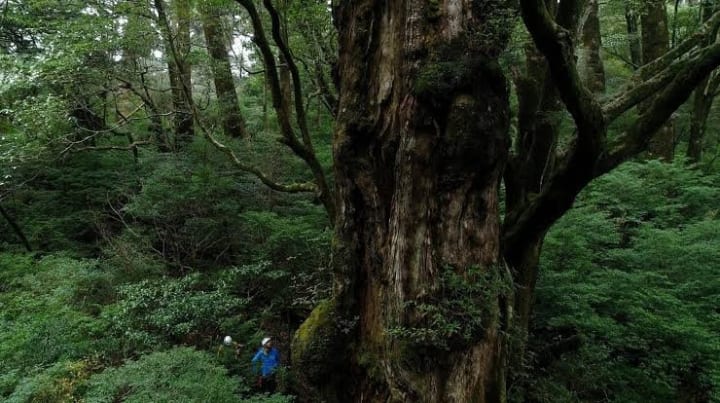
Age: Estimated between 2,170 and 7,200 years
Species: Japanese Cedar (Cryptomeria japonica)
Jomon Sugi is a revered symbol of Yakushima Island’s natural heritage. The cedar has survived typhoons, earthquakes, and the passage of time, illustrating the importance of perseverance. It also teaches us about the balance between human activity and nature, as the tree is protected within a UNESCO World Heritage site that ensures its preservation for future generations.
The Olive Tree of Vouves
Location: Crete, Greece
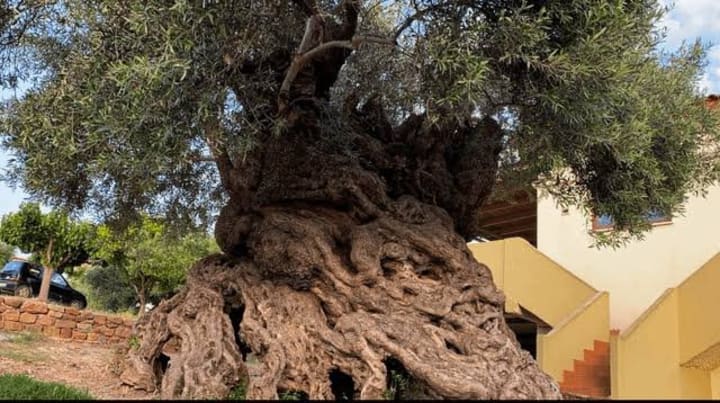
Age: Over 2,000 years
Species: Olive Tree (Olea europaea)
The Olive Tree of Vouves is one of the oldest trees still producing fruit. It symbolizes peace, strength, and continuity. Its resilience and ongoing productivity remind us of the importance of sustainability and care. It also speaks to the value of history and culture tied to ancient trees, as the olive tree has been a pillar of human civilization for millennia.
Lessons We Can Learn from the Oldest Trees
Resilience and Patience
The longevity of these ancient trees teaches us the importance of resilience in the face of adversity. Whether in harsh climates or changing conditions, these trees have stood the test of time. They remind us that true growth and progress often require time and perseverance.
Interconnection and Community
Many of the oldest trees, like The Old Tjikko, demonstrate the strength that comes from interconnectedness. These trees rely on complex root systems, much like humans thrive through relationships and communities.
Adaptation and Sustainability
The survival of these ancient trees in extreme environments shows how adaptation and sustainability are essential for thriving over time. Just as trees adapt to their surroundings, we must learn to adjust our actions and work with nature to ensure our survival.
Conservation and Protection
The preservation of these ancient trees serves as a reminder of the importance of protecting our natural heritage. We must take measures to conserve not only individual trees but entire ecosystems to ensure that future generations can benefit from the wisdom these trees offer.
Value of History and Tradition
Many of these trees hold significant cultural and historical importance. They remind us of the value of preserving the past and learning from the natural world to inform our future decisions.
Conclusion
The oldest trees in the world are not just natural wonders; they are living lessons of resilience, adaptation, and the importance of protecting the environment. By learning from these ancient beings, we can find inspiration to live more sustainably and with greater respect for the natural world. Their survival is a testament to the power of nature and the lessons it has to offer.
This article can be an excellent way to promote the importance of environmental preservation, emphasizing the legacy and value of ancient trees for the balance of nature.
About the Creator
Keep reading
More stories from AQUÁ PLANTAS and writers in Earth and other communities.
The Secret of Plants That Survive in the Desert
Plants that survive in the harsh conditions of the desert have developed remarkable adaptations that allow them to endure extreme temperatures, droughts, and a lack of nutrients. These survival strategies not only showcase the ingenuity of nature but also provide valuable lessons in resilience, adaptation, and resource efficiency. Many of these plants have evolved to store water, reduce water loss, and make the most out of the limited resources available in their environment. Let’s take a closer look at some of the most impressive desert survivors.
By AQUÁ PLANTAS10 months ago in Earth




Comments
There are no comments for this story
Be the first to respond and start the conversation.