
The Science Behind Pink Snail Eggs: Beauty, Defense, and Development
Pink Snail Eggs: A Colorful Insight into Mollusk Reproduction


Pink snail eggs, particularly those of the apple snail species Pomacea canaliculata, are not only visually striking but also play a crucial role in the reproductive success and ecological dynamics of their environments.
Overview of Pink Snail Eggs
The eggs of Pomacea canaliculata are characterized by their vibrant pink or reddish coloration, which can be seen clinging to vegetation or hard surfaces above the waterline. These clusters can contain anywhere from 300 to 1,000 eggs, with each egg measuring approximately 2 to 3 millimeters in diameter. The bright coloration serves as both a visual spectacle and a warning signal to potential predators.
Beauty: Aesthetic Appeal in Aquatic Environments
Visual Intrigue

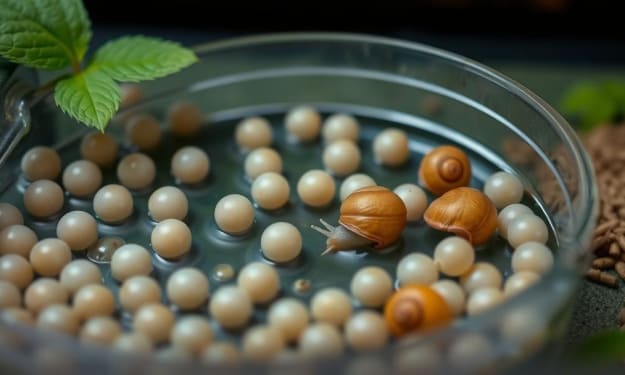
The vivid pink color of snail eggs adds a unique aesthetic quality to aquatic environments. Their appearance can be likened to clusters of small jewels or pearls, enhancing the visual appeal of aquariums and natural water bodies alike. This striking coloration contrasts beautifully with the greenery of aquatic plants and the blues of water, creating an engaging visual experience for observers.
Indicators of Biodiversity
The presence of pink snail eggs often indicates a healthy ecosystem with diverse species. Snails play an essential role in aquatic food webs as herbivores and decomposers. By laying eggs in visible locations, these snails signal their reproductive success and contribute to the overall biodiversity of their habitats. This richness is crucial for maintaining ecological balance and resilience.
Defense: Mechanisms Against Predators
Neurotoxic Adaptations
One of the most remarkable aspects of pink snail eggs is their defense mechanism against predators. The eggs contain neurotoxins that deter most animals from consuming them. Research has identified a specific proteinase inhibitor in the eggs that interacts with proteases in potential predators, making them unpalatable. This adaptation helps ensure that a higher percentage of eggs survive to hatch.
Visibility as a Strategy
While bright colors typically attract attention, they also serve as a warning signal to potential predators about the toxicity of the eggs. This duality—being both conspicuous and dangerous—enhances the chances of survival for developing embryos. The strategic placement of these egg masses above water levels further reduces predation risk from aquatic animals.
Development: Life Cycle and Hatching Process
Egg Laying Behavior
Female apple snails typically lay their eggs at night on hard surfaces such as rocks, logs, or vegetation close to water bodies. This behavior not only protects the eggs from aquatic predators but also ensures that they remain moist until hatching occurs. The gelatinous coating surrounding each egg cluster provides additional protection against desiccation and physical damage.
Incubation Period
The incubation period for pink snail eggs usually lasts about two weeks, although this can vary based on environmental conditions such as temperature and humidity. Warmer temperatures tend to accelerate development, leading to quicker hatching times. As the embryos develop within their protective shells, they utilize nutrients from the egg mass itself, ensuring they are adequately nourished upon hatching.
Hatching Process
Once the incubation period is complete, newly hatched snails drop into the water below and begin their lives as fully formed juveniles. At this stage, they are approximately 2 millimeters in diameter and are equipped with enzymes that allow them to feed on algae and organic detritus in their environment. This rapid growth phase is crucial for their survival as they adapt to life in aquatic ecosystems.
The Lifecycle of Apple Snails eggs: Hatching and Beyond
Ecological Implications
Invasive Species Dynamics
Pomacea canaliculata is considered one of the most invasive species globally due to its rapid reproduction and voracious feeding habits. The ability to lay large clutches of bright pink eggs contributes significantly to its invasive potential, allowing populations to expand quickly in suitable habitats such as rice paddies and wetlands.

Impact on Agriculture
In agricultural settings, particularly rice cultivation areas, apple snails pose significant threats due to their feeding habits. They can damage young seedlings by rasping through plant tissues with their specialized radulae, leading to substantial crop losses. Monitoring pink snail egg masses can help farmers anticipate potential infestations and take preventive measures.
Final Words
Pink snail eggs exemplify a remarkable intersection of beauty, defense mechanisms, and developmental biology within aquatic ecosystems. Their vibrant coloration not only captivates observers but also serves critical functions in reproduction and survival strategies against predation. Understanding these characteristics enhances our knowledge of apple snails' ecological roles and informs management strategies for controlling invasive populations while appreciating the complexity of aquatic life forms.
The Fascinating World of Apple Snail Eggs: Identification and Care
By recognizing the significance of pink snail eggs in both natural ecosystems and agricultural contexts, we can foster greater awareness about biodiversity conservation and the delicate balance within aquatic environments.
FAQs about pink snail eggs
What do pink snail eggs look like?
Bright pink clusters resembling small pearls or bubbles.
How long does it take for them to hatch?
Typically around two weeks, depending on conditions.
What species lays pink snail eggs?
Primarily the apple snail, Pomacea canaliculata.
Are pink snail eggs toxic to predators?
Yes, they contain neurotoxins deterring most predators.
Where do snails lay their eggs?
Above water on plants, rocks, or hard surfaces.
About the Creator
Arjun
Aquarium hobbyist sharing simple, real-world fixes for snail, shrimp, and plant problems. Clear guides, no fluff just practical tips to keep your tank healthy and thriving.
A Planet the Size of Earth with an Atmosphere Like Our Own
For centuries, humans have looked up at the night sky and wondered whether Earth is the only world capable of supporting life. Advances in modern astronomy have brought us closer than ever to answering that question. Recently, astronomers announced the discovery of a planet roughly the size of Earth with an atmosphere that appears surprisingly similar to our own. This finding has sparked excitement among scientists and renewed hope that life might exist elsewhere in the universe.
By Irshad Abbasi 5 days ago in Earth
The Politics of Playing Dress-Up
Well, to start off I'd like to say a happy world book day to all who celebrate. I know I haven't really posted anything on my socials about it but I'm not a jubilant kind of person. I lay low most of the time. Let's start off with a popular anecdote from the vaults...
By Annie Kapur7 days ago in Geeks



Comments
There are no comments for this story
Be the first to respond and start the conversation.