
The Role of Tree Service in Storm Damage Prevention?
Regular tree care prevents storm damage. Learn how pruning, removal, and root health keep trees strong and your home safe.

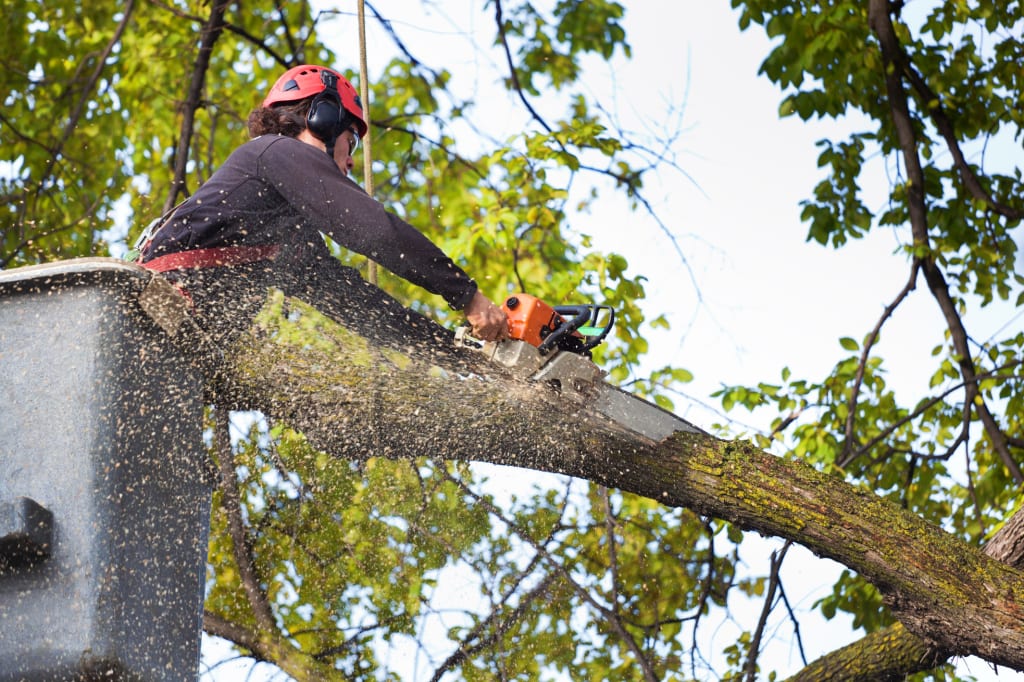
Storms can be unpredictable, bringing strong winds, heavy rain, and even hail. When trees are not properly maintained, they become hazardous during severe weather. Branches can snap, trunks can split, and entire trees can topple, causing significant property damage. Regular tree care, provided by village tree service experts, reduces these risks, making homes and neighborhoods safer when storms hit.
How Trees Contribute to Storm Damage
Trees are beautiful and provide shade, but when left unchecked, they can turn into major threats. Overgrown branches can break and fall on roofs, cars, or power lines. Weak roots make trees susceptible to being uprooted, blocking roads and causing accidents. Dead or diseased trees are especially dangerous, as they can collapse under pressure from strong winds.
Tree Inspection: The First Step in Prevention
One of the most effective ways to reduce storm damage is regular tree inspection. Professionals assess the health of a tree, checking for signs of disease, rot, or structural weakness. Early detection of these issues allows homeowners to take action before the next big storm arrives.
Signs That a Tree May Be Dangerous
Cracks or splits in the trunk
Hollow or decayed areas
Large dead branches
Exposed or damaged roots
Leaning trees with unstable bases
The Importance of Tree Pruning
Pruning removes weak or overgrown branches, reducing the risk of breakage during storms. A well-pruned tree has a stronger structure and allows wind to pass through its canopy more easily. This lowers the chances of branches snapping off and causing damage to property or people.
When Should Trees Be Pruned?
Tree pruning should be done at least once a year. The best time varies depending on the type of tree and its growth cycle. A professional tree service can recommend the right schedule to maintain tree health while keeping them storm-ready.
The Role of Tree Removal in Safety
Sometimes, a tree is beyond saving. If a tree is diseased, dead, or structurally compromised, removing it before a storm is the safest option. Waiting until after a storm can lead to higher costs, greater risks, and potential property damage.
When Is Tree Removal Necessary?
The tree is completely dead
Extensive decay is visible
It leans dangerously
It’s too close to buildings or power lines
Previous storm damage has weakened it
The Importance of Root System Health
A tree's stability depends on its root system. Weak or damaged roots make it easier for a tree to be uprooted during storms. Proper watering, mulching, and soil care keep roots strong and anchored, reducing the risk of toppling trees.
Signs of Weak Root Systems
Soil erosion around the base
Exposed roots
Fungal growth near the trunk
Sudden leaning
Emergency Tree Services After a Storm
Even with the best preventive measures, some storm damage may still occur. Emergency tree services handle fallen or damaged trees quickly, preventing further damage to homes and infrastructure. Prompt removal of hazardous trees and debris ensures a faster return to normalcy.
How Professional Tree Services Make a Difference
Hiring experts for tree care brings peace of mind. They have the tools, experience, and knowledge to assess risks and take the necessary steps to prevent storm-related damage. From pruning to removal, professionals ensure trees are in the best condition to withstand extreme weather.
The Role of Tree Cabling and Bracing
In some cases, trees can be saved through cabling and bracing instead of removal. This process involves installing support systems to reinforce weak branches or trunks, helping trees withstand high winds and heavy storms. A professional assessment determines whether this method is a viable solution for preserving a tree.
How Mulching Benefits Tree Health
Mulching plays a key role in keeping trees strong and resistant to storm damage. A layer of mulch around the base of a tree helps retain moisture, regulate soil temperature, and prevent root exposure. This creates a healthier environment for root growth, reducing the chances of tree failure during extreme weather.
The Impact of Soil Conditions on Tree Stability
The type of soil a tree grows in affects its ability to withstand storms. Compacted or eroded soil can weaken a tree’s root system, making it more prone to toppling. Regular soil aeration and fertilization promote deep root growth, ensuring trees have a solid foundation to resist high winds and heavy rainfall.
How Wind-Resistant Tree Species Can Help
Some tree species are naturally more resistant to storm damage than others. Planting wind-resistant trees in storm-prone areas reduces the likelihood of tree failure. Species with deep root systems, flexible branches, and strong trunks are better equipped to endure extreme weather conditions.
The Role of Tree Placement in Storm Safety
Where a tree is planted plays a significant role in its ability to withstand storms. Trees too close to buildings, driveways, or power lines pose a higher risk during severe weather. Strategic placement allows trees to grow without interfering with structures, reducing potential hazards when storms hit.
Final Thought
Storm damage prevention starts with responsible tree care. Regular inspections, proper pruning, and timely removal of hazardous trees reduce risks and keep properties safe. A well-maintained tree not only adds beauty to a landscape but also stands stronger against nature’s toughest challenges.
About the Creator
smithjohn
Hey, I’m Smit John, a blogger who loves sharing ideas on different topics. Writing is my thing, and I aim to keep my content informative, engaging, and worth your time. Stay tuned for more!
O-Ring Seals Market Size and Forecast 2025–2033
Introduction In an era defined by advanced engineering, sustainability goals, and performance efficiency, the smallest components often play the biggest roles. Among these unsung heroes of modern manufacturing are O-ring seals—simple, circular devices that quietly prevent leaks, ensure safety, and keep critical systems functioning under extreme conditions.
By Aaina Oberoi4 days ago in Earth
The Refrigerant Transition
Cooling seldom features in climate headlines, yet it is one of the quietest success stories of the last decade. Under the Kigali Amendment to the Montreal Protocol, countries are phasing down hydrofluorocarbons (HFCs)—super-pollutant refrigerants—while retailers and manufacturers rapidly switch to ultra-low-GWP “natural” refrigerants such as carbon dioxide (R744) and propane (R290). Fully implemented, Kigali alone can avert roughly 0.4–0.5°C of warming by 2100; paired with efficiency improvements, the avoided warming can be closer to ~1°C—an enormous contribution from a single policy family [1–2].
By Futoshi Tachino6 days ago in Earth




Comments
There are no comments for this story
Be the first to respond and start the conversation.