
The Role of Sustainable Plastic Recycling in a Circular Economy
Importance of sustainable plastic recycling


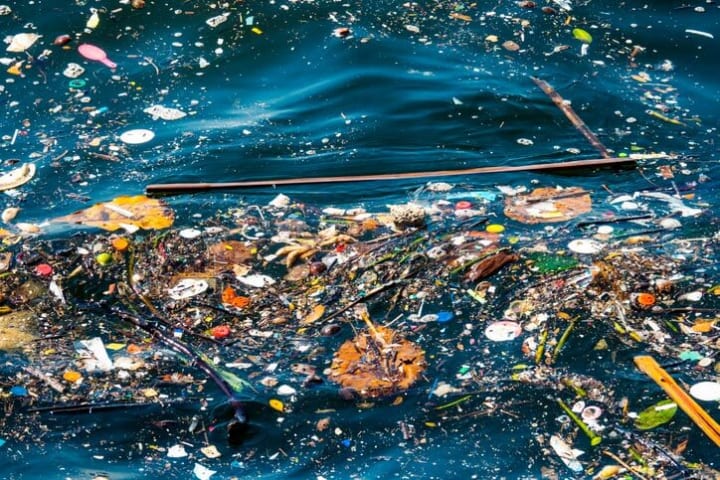
The growing environmental impact of plastic waste has become a major concern for industries, governments, and environmentalists worldwide. As plastic pollution continues to dominate landfills, oceans, and ecosystems, sustainable plastic recycling has emerged as a critical solution. One of the more promising developments in this field is the transformation of waste plastic into valuable resources, such as fuel. Through advanced methods like pyrolysis, plastic waste can be repurposed into a range of energy products, driving both environmental and economic benefits.
Reducing Environmental Footprint
Plastic waste is notoriously difficult to manage, with millions of tons of plastic produced globally each year. Traditional waste disposal methods, such as landfilling and incineration, contribute significantly to pollution. Recycling plastic is essential for reducing the volume of waste, conserving raw materials, and lowering carbon emissions. By diverting plastic waste from landfills and converting it into usable resources, the pressure on natural ecosystems is alleviated.
Sustainable plastic recycling directly addresses these issues by promoting a circular economy where plastic is reused rather than discarded. This method reduces the environmental toll of plastic production and consumption by maximizing the utility of existing materials. Through efficient plastic recycling techniques, materials can be reprocessed and reintroduced into the production cycle, reducing the need for virgin plastic production.
Plastic to Fuel: Transforming Waste into Energy
One of the most innovative approaches in the field of plastic recycling is the conversion of waste plastic to fuel. This method, known as plastic to fuel, involves converting non-recyclable plastic waste into usable hydrocarbons through processes like pyrolysis. By heating plastic in the absence of oxygen, the material breaks down into a range of fuel products, including oil and gas.
The conversion of plastic into fuel offers several significant advantages. First, it provides an alternative to traditional fossil fuels, helping reduce reliance on non-renewable resources. Second, it transforms waste that would otherwise contribute to environmental degradation into a valuable energy source. The fuel produced through plastic to fuel technologies can be used in industrial applications, such as power generation, or even refined into usable forms like diesel and gasoline.
Moreover, the process offers a viable solution for types of plastic waste that are difficult to recycle using conventional methods, such as multilayered plastics and those contaminated with food. This broadens the scope of plastic waste that can be repurposed, ultimately enhancing the efficiency of recycling programs.

Economic and Social Benefits
Sustainable plastic recycling, including plastic to fuel technologies, offers substantial economic opportunities. By investing in plastic recycling infrastructure, economies can create green jobs in sectors such as waste management, recycling technology development, and fuel production. Additionally, the production of fuel from waste plastic can lead to cost savings for industries that rely on fuel for energy, further contributing to the economic viability of the process.
Furthermore, the recycling of plastic into fuel reduces the need for importing fossil fuels, which can have significant geopolitical and economic implications. As countries strive to reduce their dependence on oil imports, recycling plastic waste for fuel production offers a self-sustaining, domestic energy solution that can drive energy security and reduce trade imbalances.
Sustainable plastic recycling also fosters social responsibility. It encourages companies to adopt more environmentally friendly practices and supports community efforts to reduce waste. With increasing public awareness of the environmental crisis caused by plastic pollution, companies and individuals alike are becoming more motivated to embrace sustainable practices, leading to a positive shift toward a circular economy.

Technological Innovations in Plastic Recycling
The development of advanced recycling technologies is key to the successful implementation of sustainable plastic recycling. Innovations in pyrolysis, for example, have enabled more efficient and scalable plastic to fuel processes. These technologies allow for the processing of a wider variety of plastic types, producing fuel that is both cost-effective and environmentally friendly.
Additionally, improvements in sorting and cleaning technologies ensure that plastic waste can be effectively separated and prepared for recycling. These advancements increase the quality of the recycled materials and make the process more economically feasible, encouraging greater participation in recycling programs.
Achieving Long-Term Sustainability
The importance of sustainable plastic recycling lies not only in the immediate environmental and economic benefits but also in its role in ensuring long-term sustainability. As the global population grows, so too does the demand for plastic. Without a system to manage this demand and minimize waste, the strain on natural resources and ecosystems will only intensify.
Sustainable plastic recycling creates a closed-loop system where plastic waste is continuously reused and transformed into valuable products. This cycle reduces the need for new plastic production, cuts greenhouse gas emissions, and lowers overall environmental impact.
In conclusion, sustainable plastic recycling plays an essential role in mitigating the environmental consequences of plastic waste. The conversion of plastic to fuel through advanced processes like pyrolysis is a promising innovation that supports both waste management and energy production. By embracing these technologies, society can move toward a more circular and sustainable future, reducing the impact of plastic pollution while creating new economic opportunities.
About the Creator
Keep reading
More stories from Wayne Shen and writers in Earth and other communities.
Exploring the Role of Biochar in the Livestock Industry
Biochar, a stable form of carbon produced through the pyrolysis of organic material, is gaining attention for its diverse applications across various sectors. In the livestock industry, the use of biochar has emerged as a sustainable solution for improving animal health, enhancing feed quality, and addressing environmental concerns, such as methane emissions and waste management. As the industry faces increasing pressure to reduce its carbon footprint and mitigate climate change, biochar presents a compelling opportunity to integrate sustainability with economic benefits.
By Wayne Shenabout a year ago in Earth
Stanislav Kondrashov on the Role of Smart Grids in the Energy Transition
In the unfolding narrative of global energy transition, one innovation continues to shape the path forward with quiet persistence: smart grids. As countries shift away from fossil fuels and towards decentralised, renewable energy sources, smart grids are emerging as the invisible backbone of the future energy landscape. According to energy strategist and researcher Stanislav Kondrashov, the smart grid isn't just a technical upgrade—it's a fundamental rethinking of how societies generate, distribute, and consume power.
By Stanislav Kondrashov7 days ago in Earth
“‘Our Minerals Could Be Used to Annex Us’: Why Canada Doesn’t Want U.S. Mining
When people in rural parts of Canada heard that a major mining project backed by the U.S. Pentagon was coming to their communities, the reaction wasn’t excitement—it was concern. And not just about the usual environmental issues like open‑pit mining or water contamination. Residents began asking a bigger question: could foreign involvement in extracting Canada’s critical minerals threaten their country’s sovereignty and long-term future? This striking idea—“our minerals could be used to annex us”—has become the lens through which many Canadians view U.S. investments in their mining sector. It’s not just local worries; it’s a national conversation about resources, control, and geopolitics. The Mine That Sparked a Debate The debate started in Quebec with Lomiko Metals’ proposal for a large graphite mine in La Petite‑Nation, an area known for its lakes, forests, and small-town charm. Locals feared the mine would disrupt the environment and their way of life. But the real spark came when news broke that the U.S. Department of Defense had invested millions in the project through the Defense Production Act Investment Program. Suddenly, this wasn’t just about jobs or local development—it was about strategic resource control. In August 2025, a referendum showed 95% of locals opposed the mine, highlighting how deeply the project clashed with community sentiment. Why Canada’s Minerals Are So Important Canada is a treasure trove of critical minerals like nickel, lithium, cobalt, copper, rare earth elements, and graphite—essential for electric vehicles, clean energy, and even military hardware. For the U.S., which wants to reduce reliance on China for these resources, Canada is a logical partner. Investments in Canadian mines are part of a broader strategy to secure a North American supply chain for critical minerals. Through the Canada–U.S. Joint Action Plan on Critical Minerals, both governments coordinate on mining projects and technology development. But even with official cooperation, many Canadians worry about how much influence a foreign power should have over their resources. Sovereignty and Historical Skepticism For many Canadians, the concern isn’t just economics or environment—it’s sovereignty. There’s long-standing unease about letting foreign governments, even allies, control natural resources that are vital to the nation’s economy and security. Past U.S. political statements about resource-rich regions, like Greenland, have fueled these fears. So when a Pentagon-backed project emerges in Canada, it can feel like more than a business deal—it can feel like a loss of control over national assets. Balancing Economics and Independence Canada exports huge amounts of minerals to the U.S.—a relationship worth tens of billions of dollars annually. These minerals feed industries like defense, advanced manufacturing, and clean energy. But Ottawa wants to make it clear: access for the U.S. is not guaranteed. Canada aims to diversify partnerships and retain autonomy over its resources. In other words, Canada wants to cooperate without becoming dependent. Local Resistance and Broader Implications The Quebec graphite mine is a microcosm of a bigger issue. Locals aren’t just worried about the land—they’re worried about who controls their resources and for whose benefit. Communities increasingly support sustainable economic models, eco-tourism, and local development instead of foreign-driven extraction projects. They argue that Canada’s natural wealth should benefit Canadians first, and not just serve international strategic needs. Collaboration or Conflict? As demand for critical minerals surges globally, Canada faces a choice: Partner closely with the U.S. to strengthen North American supply chains, or Push back and diversify its partnerships to protect sovereignty. Both paths carry risks. Collaboration could bring investment and jobs, but may deepen fears of foreign control. Resistance may protect autonomy, but could slow down economic development. Conclusion: More Than Just Minerals The phrase “‘our minerals could be used to annex us’” isn’t hyperbole—it captures a real anxiety about control, identity, and power. Canada’s minerals aren’t just economic assets—they’re national assets, shaping the country’s future, environment, and global standing. How Canada manages its resources in the coming years will reflect not only its economic strategy but also its values: sovereignty, sustainability, and self-determination in a rapidly changing world
By Muhammad Hassan7 days ago in Earth


Comments
There are no comments for this story
Be the first to respond and start the conversation.