
The Role of Sand Making Machine in Modern Industry
Sand making machines, also known as sand makers or vertical shaft impact (VSI) crushers, have become essential in producing manufactured sand, which plays a crucial role in various applications.
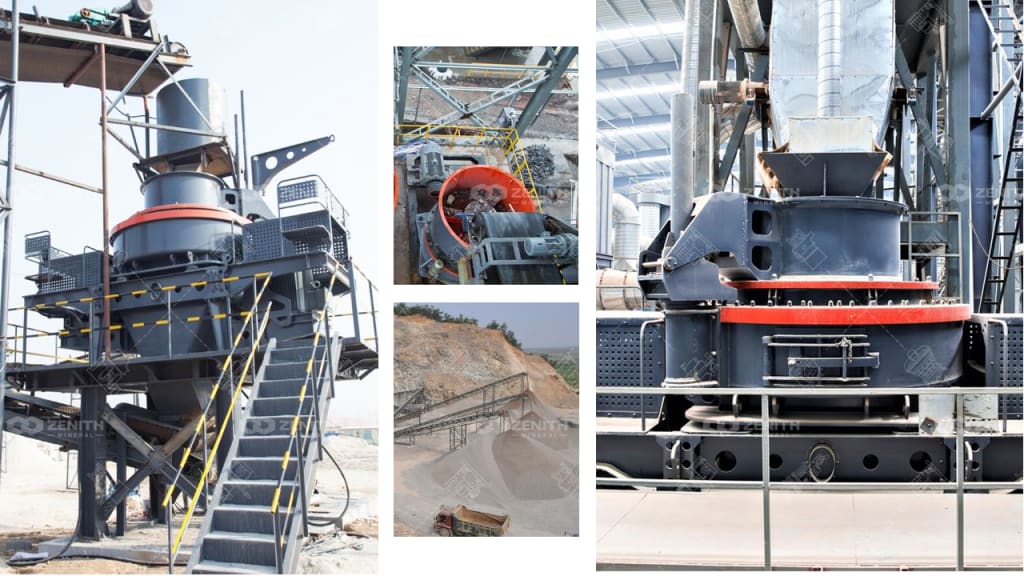
Introduction
In the contemporary industrial landscape, the demand for high-quality sand and aggregates is ever-increasing. This demand is driven primarily by the booming construction sector, but it also extends to mining, recycling, and other industries. Sand making machine, also known as sand makers or vertical shaft impact (VSI) crushers, have become essential in producing manufactured sand, which plays a crucial role in various applications. This article explores the significance of sand making machines, their technology, applications across industries, and future trends.
Understanding Sand Making Machines
Definition and Purpose
Sand making machine is specialized crushers designed to produce manufactured sand from various types of rocks and stones. Unlike natural sand, which is often limited in supply and quality, manufactured sand can be tailored to meet specific standards required for construction and other applications.
Key Components
1. Feeding System: This is where raw materials are introduced into the machine. It is designed to handle different types of feed materials.
2. Crushing Chamber: The heart of the machine, where the actual crushing takes place. This chamber utilizes mechanical forces to break down larger materials into finer particles.
3. Rotor: A high-speed rotating component that propels materials against a stationary surface, facilitating the crushing process.
4. Screening Unit: This component separates the produced sand by size, ensuring that the final product meets the desired specifications.
5. Discharge Conveyor: Transports the finished sand away from the machine for further processing or use.
Types of Sand Making Machines
- Vertical Shaft Impact (VSI) Crushers: These are the most common sand making machines, known for their ability to produce high-quality sand with excellent gradation.
- Horizontal Shaft Impact (HSI) Crushers: While primarily used for primary and secondary crushing, some models can also produce sand.
- Hammer Mills: These machines crush materials using high-speed rotating hammers and can be adapted for sand production.
Applications in the Construction Industry
1. Manufactured Sand Production
One of the primary applications of sand making machines is the production of manufactured sand, which is increasingly used as a substitute for natural sand in construction. This shift has been driven by the depletion of natural sand resources and the need for sustainable building practices.
Benefits
- Consistency: Manufactured sand offers consistent quality and grading, which is crucial for concrete performance.
- Reduced Environmental Impact: Utilizing crushed rock reduces the environmental consequences associated with extracting natural sand.
2. Concrete Production
Sand is a fundamental ingredient in concrete production. Sand making machines produce high-quality sand that meets specific requirements for various concrete applications, including ready-mix and precast concrete.
- Ready-Mix Concrete: The uniformity and quality of manufactured sand enhance the strength and durability of ready-mix concrete.
- Precast Concrete: Consistent sand quality allows for improved performance in precast products, such as blocks and panels.
3. Asphalt Production
In asphalt production, sand serves as a crucial component in the asphalt mix. Sand making machines produce fine aggregates that improve the quality and performance of asphalt, resulting in:
- Enhanced Workability: High-quality sand contributes to better workability and compaction in asphalt mixtures.
- Increased Durability: The right sand composition improves the longevity of asphalt surfaces, reducing maintenance costs over time.
4. Landscaping and Sports Fields
Sand making machines are also used to produce specialized sand for landscaping and sports applications. This includes:
- Topdressing Sand: Commonly used in golf courses and lawns, it ensures proper drainage and aesthetics.
- Infill Sand: Employed in synthetic turf systems to provide stability and improve performance.
Applications in the Mining Industry
1. Mineral Processing
In mining operations, sand making machines are utilized to process minerals and ores. The crushed material can be refined to extract valuable minerals, with applications including:
- Gold Recovery: Sand makers can crush ore to generate fine particles, facilitating gold extraction.
- Aggregate Production: Mining operations often use sand making machines to produce aggregates for construction applications.
2. Sand and Gravel Extraction
Sand making machines are crucial in extracting sand and gravel from quarries. They convert larger stones into smaller, usable aggregates, enhancing the efficiency of the extraction process.
3. Tailings Management
In mining, tailings are the materials left over after valuable minerals have been extracted. Sand making machines can process tailings to produce sand, reducing waste and improving resource efficiency.
Applications in the Recycling Industry
1. Recycled Aggregate Production
Sand making machines are increasingly employed in recycling operations to produce recycled aggregates from construction and demolition waste. This practice supports sustainable development and reduces landfill waste.
Benefits
- Resource Conservation: Recycling construction waste reduces the demand for natural resources.
- Cost Savings: Utilizing recycled aggregates can lower material costs for construction projects.
2. Glass Recycling
In the glass recycling sector, sand making machines can process crushed glass into fine particles suitable for various applications, such as:
- Glass Manufacturing: Recycled glass can be used as a raw material in new glass production, reducing energy consumption.
- Construction Materials: Crushed glass can be incorporated into concrete and asphalt mixtures, improving aesthetics and performance.
Technological Advancements in Sand Making Machines
1. Automation and Control Systems
Modern sand making machines increasingly feature automation and control systems that enhance operational efficiency. These advancements include:
- Remote Monitoring: Operators can monitor machine performance in real-time, optimizing production processes.
- Automated Adjustments: Machines can automatically adjust based on material characteristics, ensuring consistent product quality.
2. Energy Efficiency
Advancements in energy-efficient designs have led to lower operational costs and reduced environmental impact. Innovations include:
- Variable Speed Drives: Allowing machines to operate at optimal speeds based on material type and desired output.
- Hybrid Technologies: Combining traditional diesel engines with electric drives to reduce fuel consumption.
3. Material Optimization
Modern sand making machines are designed to handle a variety of feed materials, allowing for greater flexibility. Innovations in material optimization include:
- Advanced Crushing Technologies: Enhancing the efficiency of material breakdown and improving the quality of the final product.
- Wear-Resistant Materials: Using durable materials in machine construction to reduce maintenance and downtime.
Challenges and Considerations
1. Initial Investment Costs
The acquisition of sand making machines can require significant capital investment. Companies must carefully assess their operational needs and budget constraints before purchasing.
2. Operator Training
Effective operation of sand making machines necessitates skilled operators. Investing in training programs is vital to maximize efficiency and safety.
3. Maintenance Requirements
Regular maintenance is essential to ensure optimal performance of sand making machines. Establishing a maintenance schedule and employing trained technicians is crucial for minimizing downtime.
Future Trends in Sand Making Machines
1. Sustainability Initiatives
As industries increasingly prioritize sustainability, sand making machines will continue to evolve to meet these demands. Future trends may include:
- Eco-Friendly Designs: Developing machines that minimize energy consumption and emissions.
- Circular Economy Practices: Integrating recycling processes into sand production, further reducing waste.
2. Smart Technologies
The integration of smart technologies will revolutionize the operation of sand making machines. Future developments may include:
- AI and Machine Learning: Utilizing artificial intelligence to optimize production processes and predict maintenance needs.
- IoT Connectivity: Enabling machines to communicate with other equipment and systems for enhanced efficiency.
3. Customization and Flexibility
The growing demand for customized products in construction and other industries will drive the development of more flexible sand making machines. This may involve:
- Modular Designs: Allowing for easy upgrades and modifications based on specific project requirements.
- Multi-Functionality: Combining sand making capabilities with other processing functions, such as screening and washing.
Conclusion
Sand making machines have become indispensable across various industries, from construction and mining to recycling. Their ability to produce high-quality sand and aggregates supports sustainable practices and enhances operational efficiency. As technology continues to advance, the future of sand making machines promises innovations that will further revolutionize material processing.
Understanding the diverse applications and benefits of sand making machines is essential for industries looking to optimize their operations and contribute to sustainable development. By embracing advancements in technology and adapting to changing market demands, companies can ensure their long-term success in an ever-evolving landscape.
About the Creator
The Jewel of the Earth: How the Kaaba Shines Like a Diamond from Space
In the vast, silent expanse of the cosmos, where the Earth appears as a delicate blue marble against the infinite black of the universe, certain landmarks stand out with unexpected brilliance. Recently, a series of high-resolution images captured from the International Space Station (ISS) and advanced satellite arrays have left the global community in awe. The focal point? Masjid al-Haram in Mecca. From hundreds of miles above, the "House of Allah" does not just appear as a building; it radiates a piercing, crystalline glow, resembling a diamond set into the heart of the desert.
By Irshad Abbasi 4 days ago in Earth
Who is your "Person"?
It's important to recognize that you cannot go through life as easily on your own. My name is Elizabeth and I'm a survivor of child abuse and horrific trauma. Healing from trauma is not a quick fix and recognizing that it will take time, is part of the struggle.
By Elizabeth Woods4 days ago in Psyche




Comments
There are no comments for this story
Be the first to respond and start the conversation.