
The Ripple Effect
Our Shared Responsibility for a Sustainable Future

Climate change and environmental degradation have become urgent global concerns. The impact of human activities on our planet has created a ripple effect that extends far beyond our immediate surroundings. As we witness extreme weather events, declining biodiversity, and the degradation of ecosystems, it is crucial to recognize our shared responsibility in addressing these issues. This essay explores the interconnectedness of our actions and the environment, emphasizing the need for collective efforts to create a sustainable future.
Imagine waking up to a day filled with bright sunshine and a gentle breeze. You step outside, breathing in the fresh air and feeling the earth beneath your feet. This idyllic scenario is what many of us long for—an environment in harmony with nature. However, our current reality tells a different story. The impact of human activities, such as industrialization, deforestation, and the burning of fossil fuels, has disrupted the delicate balance of our ecosystems.
The consequences of these disruptions are becoming increasingly evident. Rising temperatures, erratic weather patterns, and the loss of biodiversity are just a few examples. We no longer need to look to distant places to witness the devastating effects of climate change. It is happening in our own backyards. Floods, droughts, wildfires, and hurricanes have become more frequent and intense, impacting the lives and livelihoods of millions.
But how are our individual actions connected to these global issues? It all comes down to the concept of the ripple effect. Just as a pebble thrown into a pond creates a series of expanding ripples, our choices and behaviors reverberate throughout the world. Every time we opt for convenience over sustainability, consume without considering the environmental consequences, or disregard the impact of our actions, we contribute to the expanding ripple effect of ecological degradation.
Let's consider our daily routines. The food we eat, the energy we consume, and the products we use—all have environmental implications. Choosing locally sourced, organic produce reduces the carbon footprint associated with transportation and chemical-intensive farming. Opting for renewable energy sources, such as solar or wind power, reduces our reliance on fossil fuels and decreases greenhouse gas emissions. Embracing a circular economy mindset, where we reduce, reuse, and recycle, helps minimize waste and conserve resources.
Furthermore, our collective voices and actions can bring about substantial change. Engaging in environmentally conscious practices and demanding sustainability from businesses and governments can drive transformative action. By supporting companies that prioritize sustainability, advocating for policy changes, and participating in grassroots movements, we contribute to a wider shift towards a greener and more sustainable future.
The environmental challenges we face require a fundamental shift in our perspectives and actions. Recognizing the ripple effect of our choices is the first step towards creating positive change. Each decision we make, no matter how small, can have a significant impact when multiplied across the global population. By adopting sustainable practices in our daily lives, supporting initiatives that prioritize environmental conservation, and amplifying our voices for systemic change, we become agents of transformation. Together, we can create a future where our planet thrives, ecosystems are restored, and future generations inherit a world filled with opportunities and natural wonders. Let us embrace our shared responsibility and be the change we wish to see.
Addressing the ripple effect of climate change and environmental degradation requires a joint effort from individuals and governments. Individuals must take responsibility for their choices, adopting sustainable practices in their daily lives and demanding eco-friendly options. Governments, on the other hand, must enact policies and regulations that prioritize sustainability, invest in green infrastructure, and advocate for international cooperation. Together, through shared commitment and collective action, we can create a positive ripple effect that leads to a greener and more sustainable future for all.
About the Creator
adenuga oluwatobi
Oluwatobi, a writer extraordinaire, possesses the ability to wield words like a maestro. With a pen in hand and a mind teeming with stories, Oluwatobi delves into the depths of imagination to craft literary works.
Keep reading
More stories from writers in Earth and other communities.
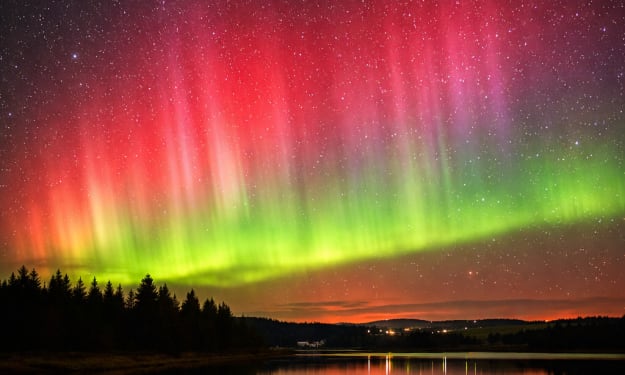
Northern Lights May Be Visible in 10 States Jan. 20 as Earth’s Magnetic Field “Rings Like a Bell” After CME Impact
What Happened: A Massive CME Hit Earth On Jan. 19, 2026, a powerful CME associated with a major X1.9-class solar flare erupted from the sun and traveled the approximately 93 million miles to Earth in around 25 hours — much faster than most such events. When it reached Earth’s magnetic field at about 2:38 p.m. EST, it triggered a severe geomagnetic storm, classified as G4 on NOAA’s geomagnetic storm scale.
By USA daily update 6 days ago in Earth
The Duelist
The rays of a dying red sun flashed against the onrushing blade. The grey beards say the key to dueling lies in size, speed, reach, righteous fury, whatever the person in front of them pays them to say. Matteo knew better than any it was none of these and had an undefeated record on these sands to prove it.
By Matthew J. Fromm2 days ago in Fiction



Comments
There are no comments for this story
Be the first to respond and start the conversation.