

COVID-19, also known as the novel coronavirus, is a highly infectious respiratory illness caused by the SARS-CoV-2 virus. The virus first emerged in Wuhan, China in December 2019 and quickly spread to become a global pandemic that has affected millions of people worldwide. The COVID-19 pandemic has had a profound impact on every aspect of life, from healthcare and the economy to social interactions and mental health.
One of the most significant challenges posed by COVID-19 is its highly contagious nature. The virus spreads through respiratory droplets when an infected person coughs, sneezes, or talks. It can also be spread through contact with contaminated surfaces. This means that even people who are asymptomatic or have mild symptoms can unknowingly spread the virus to others, making it difficult to control its spread.
The COVID-19 pandemic has had a devastating impact on healthcare systems worldwide. Hospitals and healthcare facilities have been overwhelmed with patients, leading to shortages of critical medical supplies and equipment. Healthcare workers have also been at a higher risk of contracting the virus, which has led to increased stress and burnout.
The economic impact of COVID-19 has also been severe. Governments around the world have implemented lockdowns and other measures to slow the spread of the virus, which has led to widespread job losses and economic disruption. Small businesses, in particular, have been hit hard by the pandemic, with many struggling to stay afloat.
The pandemic has also had a significant impact on mental health. People have been dealing with increased stress, anxiety, and isolation due to social distancing measures and lockdowns. Many people have also lost loved ones to COVID-19, leading to grief and trauma.
Despite these challenges, there have been some positive developments in the fight against COVID-19. Scientists and researchers have developed highly effective vaccines in record time, which have been authorized for emergency use in many countries. These vaccines are an important tool in controlling the spread of the virus and protecting vulnerable populations. the COVID-19 pandemic has had a profound impact on every aspect of life. It has highlighted the importance of preparedness and the need for global cooperation in responding to global health crises. While there have been significant challenges, there have also been inspiring examples of resilience, innovation, and community support in the face of adversity. It is our hope that the lessons learned from this pandemic will help us better prepare for future health crises and build a more resilient world. In addition to the development of vaccines, there have also been significant efforts to improve treatment options for individuals who become infected with COVID-19. Researchers have worked to develop and test new antiviral drugs, as well as repurpose existing medications to help alleviate symptoms and reduce the severity of the illness.
The COVID-19 pandemic has also highlighted the importance of public health measures in controlling the spread of infectious diseases. Widespread testing, contact tracing, and vaccination campaigns have been critical in slowing the spread of the virus and reducing its impact on healthcare systems and economies.
The pandemic has also underscored the importance of international cooperation in responding to global health crises. In addition to the development of vaccines and treatments, there have been significant efforts to share knowledge and resources across borders to help countries with fewer resources combat the pandemic.
Looking ahead, there are still many challenges to overcome in the fight against COVID-19. While vaccines are a critical tool, there are still many people who are hesitant to get vaccinated. There are also concerns about new variants of the virus that may be more infectious or resistant to current vaccines. Ongoing research and monitoring will be critical in addressing these challenges and developing effective strategies to control the pandemic.
In conclusion, the COVID-19 pandemic has been a defining moment in modern history, with far-reaching implications for global health, the economy, and society as a whole. While there have been significant challenges, there have also been inspiring examples of resilience, innovation, and cooperation in the face of adversity. It is our hope that the lessons learned from this pandemic will help us better prepare for future health crises and build a more resilient world.
About the Creator
Keep reading
More stories from Mahendrarajah Mithusharan and writers in Earth and other communities.
Renewable energy sources and sustainability.
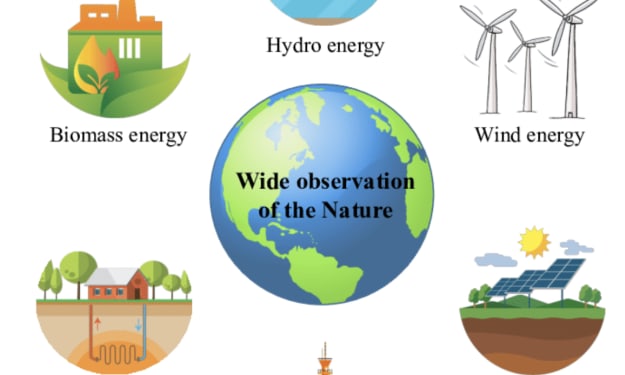
Renewable energy sources have become increasingly popular in recent years due to their potential to reduce greenhouse gas emissions and promote sustainability. Renewable energy refers to energy sources that are replenished naturally, such as wind, solar, hydro, geothermal, and biomass. In this essay, we will discuss the importance of renewable energy sources and their role in promoting sustainability.
By Mahendrarajah Mithusharan3 years ago in Earth
Unofficial Challenge: Black History Celebration
Forward: February 28th, 10:53 PM, EST... The final hour of Black History Month, 2026. Hello fellow writers. I've had this challenge waiting in my drafts for most of the month. But I held off on publishing it, until now.
By Sam Spinelli5 days ago in Writers


Comments
There are no comments for this story
Be the first to respond and start the conversation.