
Renewable energy sources and sustainability.
Renewable energy sources and sustainability.
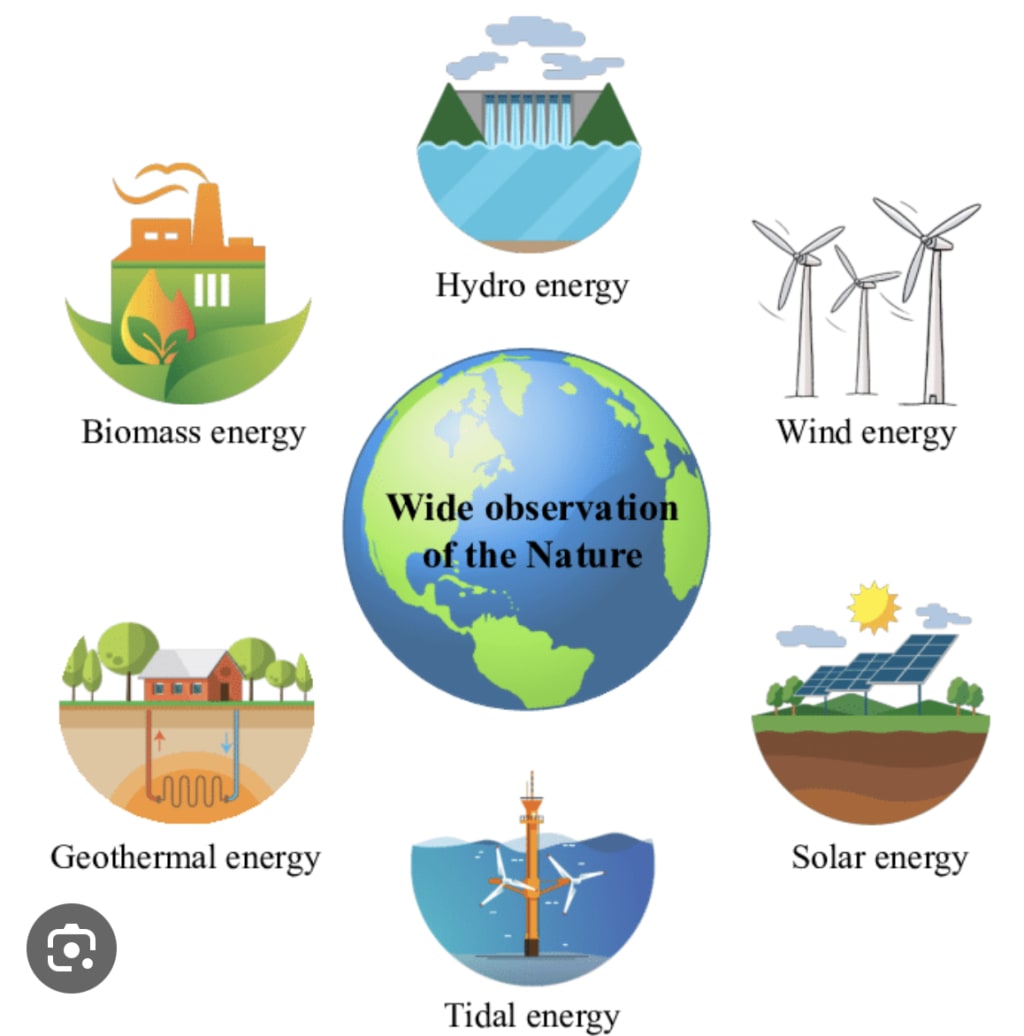
Renewable energy sources have become increasingly popular in recent years due to their potential to reduce greenhouse gas emissions and promote sustainability. Renewable energy refers to energy sources that are replenished naturally, such as wind, solar, hydro, geothermal, and biomass. In this essay, we will discuss the importance of renewable energy sources and their role in promoting sustainability.
Firstly, renewable energy sources are crucial for reducing greenhouse gas emissions and mitigating the effects of climate change. Fossil fuels such as coal, oil, and gas are the primary sources of energy worldwide, but they are also the largest contributors to greenhouse gas emissions. These emissions lead to global warming and climate change, which have far-reaching consequences for the environment, human health, and economic stability. Renewable energy sources, on the other hand, emit little to no greenhouse gases and have a minimal impact on the environment, making them an ideal alternative to fossil fuels.
Secondly, renewable energy sources are sustainable, as they do not deplete natural resources or harm the environment. Fossil fuels are limited resources that are extracted from the Earth's crust and require significant amounts of energy and resources to extract and transport. In contrast, renewable energy sources are abundant and readily available, making them a more sustainable option for meeting our energy needs. Furthermore, renewable energy sources do not produce toxic waste or have significant environmental impacts, such as oil spills or air pollution.
One of the most popular forms of renewable energy is solar energy. Solar energy refers to the energy that is derived from the sun's rays and converted into electricity. Solar panels are used to capture the sun's energy and convert it into electricity, making it a clean and sustainable source of energy. Solar energy has numerous benefits, such as reducing greenhouse gas emissions, lowering energy costs, and promoting energy independence. Solar energy can also be used in remote areas where traditional power sources are not available, making it an ideal solution for providing electricity to underserved communities.
Another popular form of renewable energy is wind energy. Wind energy refers to the energy that is derived from the wind and converted into electricity. Wind turbines are used to capture the wind's energy and convert it into electricity, making it a clean and sustainable source of energy. Wind energy has numerous benefits, such as reducing greenhouse gas emissions, lowering energy costs, and promoting energy independence. Wind energy can also be used in remote areas where traditional power sources are not available, making it an ideal solution for providing electricity to underserved communities.
Hydroelectric power is another form of renewable energy that has been used for centuries. Hydroelectric power refers to the energy that is derived from moving water and converted into electricity. Dams are used to capture the energy of flowing water and convert it into electricity, making it a clean and sustainable source of energy. Hydroelectric power has numerous benefits, such as reducing greenhouse gas emissions, lowering energy costs, and promoting energy independence. Hydroelectric power can also be used in remote areas where traditional power sources are not available, making it an ideal solution for providing electricity to underserved communities.
Geothermal energy is another form of renewable energy that is derived from the Earth's heat. Geothermal energy is obtained by drilling deep into the Earth's crust and tapping into the natural heat that is produced by the Earth's core. Geothermal energy has numerous benefits, such as reducing greenhouse gas emissions, lowering energy costs, and promoting energy independence. Geothermal energy can also be used in remote areas where traditional power sources are not available, making it an ideal solution for providing electricity to underserved communities.
Biomass energy is another form of renewable energy that is derived from organic matter such as wood, crops, and waste. Biomass energy can be converted into electricity through combustion or fermentation, making it a clean and sustainable source of energy. Biomass energy has numerous benefits, such as reducing greenhouse gas emissions, promoting waste reduction, and providing an alternative to fossil fuels.
Renewable energy sources are not only environmentally friendly, but they are also economically viable. The cost of renewable energy has decreased significantly over the past decade due to technological advancements and increased investment. In many cases, renewable energy sources are now cheaper than traditional fossil fuel sources, making them a cost-effective solution for meeting our energy needs. Furthermore, renewable energy sources can provide economic benefits such as job creation and local economic development.
However, there are still some challenges that need to be addressed to promote the widespread adoption of renewable energy sources. One of the main challenges is the intermittent nature of renewable energy sources such as wind and solar energy. The availability of these sources depends on weather conditions, making them less reliable than traditional fossil fuel sources. However, advances in energy storage technology are helping to overcome this challenge by allowing excess energy to be stored for use during times of low production.
Another challenge is the need for significant investment in infrastructure to support the widespread adoption of renewable energy sources. This includes the construction of wind and solar farms, as well as the development of energy storage systems and transmission lines. However, the economic benefits of renewable energy sources, such as job creation and local economic development, can help to offset these costs.
In conclusion, renewable energy sources are crucial for promoting sustainability and reducing greenhouse gas emissions. They offer numerous benefits, including environmental benefits, economic benefits, and energy security benefits. Although there are still challenges to be addressed, such as intermittency and infrastructure investment, advances in technology and increased investment are helping to overcome these challenges. The widespread adoption of renewable energy sources is essential for ensuring a sustainable future for generations to come.
About the Creator
Keep reading
More stories from Mahendrarajah Mithusharan and writers in Earth and other communities.
BRICS
Introduction BRICS is an acronym for Brazil, Russia, India, China, and South Africa. These countries are considered as the emerging economies that are expected to play a significant role in the global economy in the 21st century. The idea of BRICS was first introduced by Jim O’Neill, a Goldman Sachs economist, in 2001. He predicted that these countries would become the world's largest economies by 2050. The first BRIC Summit was held in 2009 in Russia, and South Africa joined the group in 2010, making it BRICS. In this essay, we will discuss the formation, objectives, and achievements of the BRICS.
By Mahendrarajah Mithusharan3 years ago in Earth



Comments
There are no comments for this story
Be the first to respond and start the conversation.